
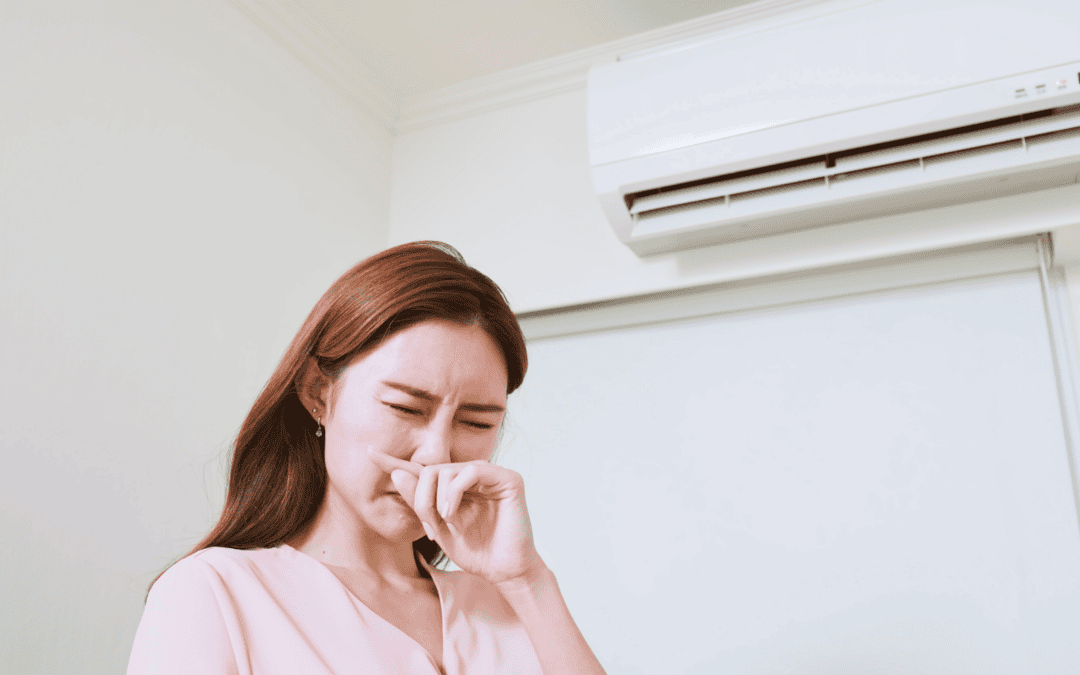
A burning smell from heater vents on the first cold day of fall is usually dust burning off hot parts. It is normal and should fade within an hour. A smell that lingers, smells like hot plastic, or comes with smoke is not normal. In that case, shut the system off and call for service.
The trick is knowing which smell you have. Your nose is one of the best early warning tools in your home. It pays to learn what each odor means.
Here is what to do today if you notice a burning smell from heater vents:
- Note the type of smell: dusty, electrical, rubbery, oily, or like rotten eggs.
- Open a window and let the system run for up to an hour if it smells like dust.
- Replace your air filter if it looks gray or clogged.
- Turn the system off at the thermostat and breaker if you smell hot plastic or see smoke.
- Leave the house right away and call your gas utility or 911 from outside if you smell rotten eggs.
Why Does My Heater Smell Like Burning When I First Turn It On?
Dust is the most common reason. During the warm months, a thin layer of dust settles on the parts of your system that get hot.
When you switch to heat for the first time, those parts warm up and the dust burns away. The smell drifts through your ductwork and out of every vent in the house.
What Is Actually Burning
In a gas furnace, dust collects on the burners and the heat exchanger. In a heat pump or electric furnace, it settles on the electric heat strips.
Either way, the burning dust creates a toasty, slightly musty odor. It may seem strong at first, but it is not dangerous in small amounts.
How Long the Dust Smell Should Last
The first run smell usually fades within 30 minutes to an hour. In homes that have been closed up all summer, it may linger a little longer.
If the smell comes back every time the heat runs, or it grows stronger, something else is going on. That is your cue to take a closer look.
Why Fall Is Peak Season for This Smell
Here in the Triangle, many of us run our air conditioning well into October. By the first cold snap, the heating side of the system has often sat unused for six months.
That long rest gives dust plenty of time to settle. It is why our phones ring with smell questions on the first chilly morning of the season.
What Do Different Heater Smells Mean?
Different smells point to different causes. Some are harmless, while others need attention right away.
Take a moment to describe the smell to yourself before you do anything else. That one step makes it much easier to decide what comes next.
Dusty or Toasty Burning Smell
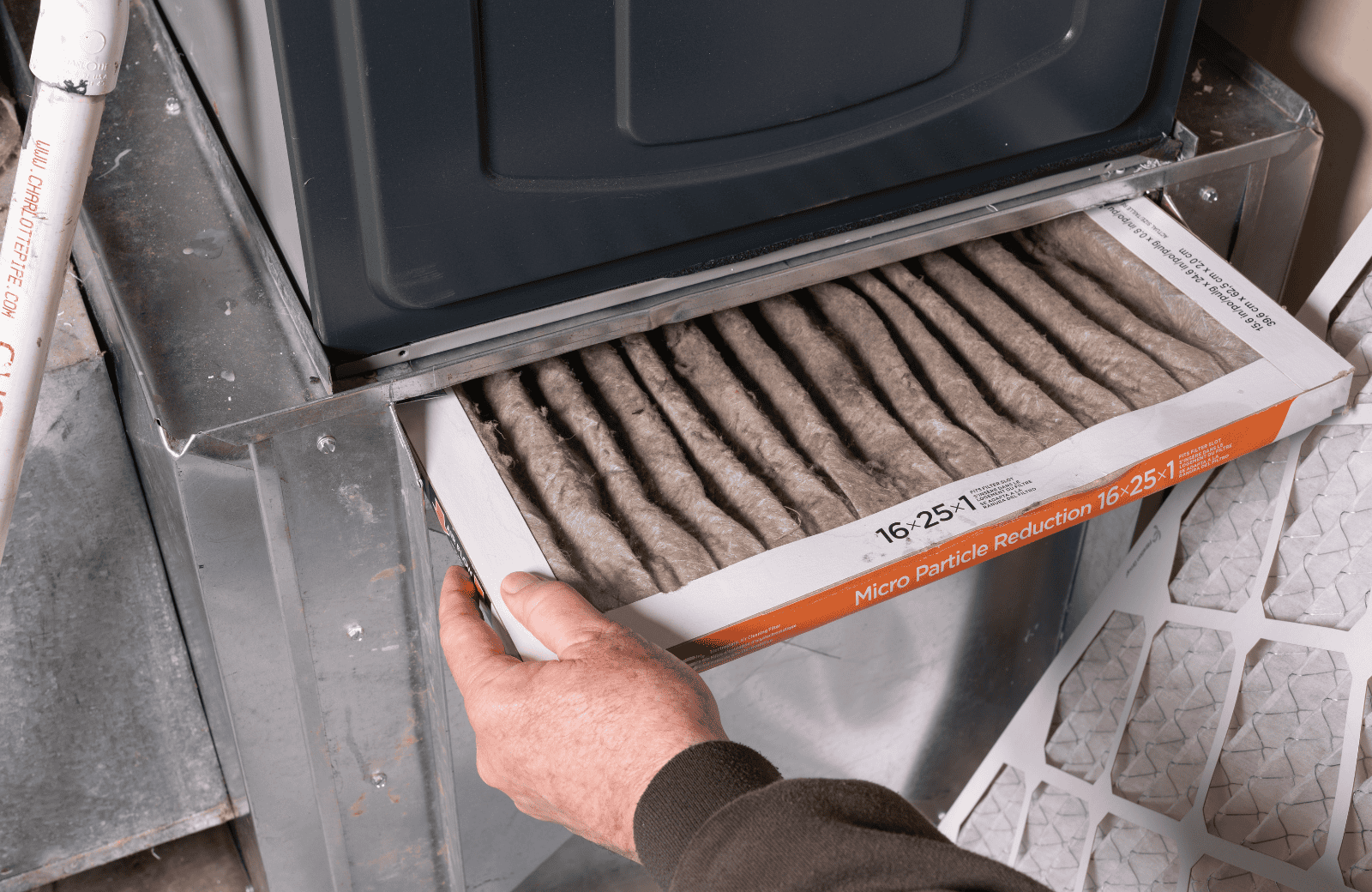
This is the classic first run smell. It is normal, and it should clear up on its own.
If it keeps returning, check your air filter. A dirty filter lets dust pass through and collect on hot surfaces again and again.
Electrical or Burning Plastic Smell
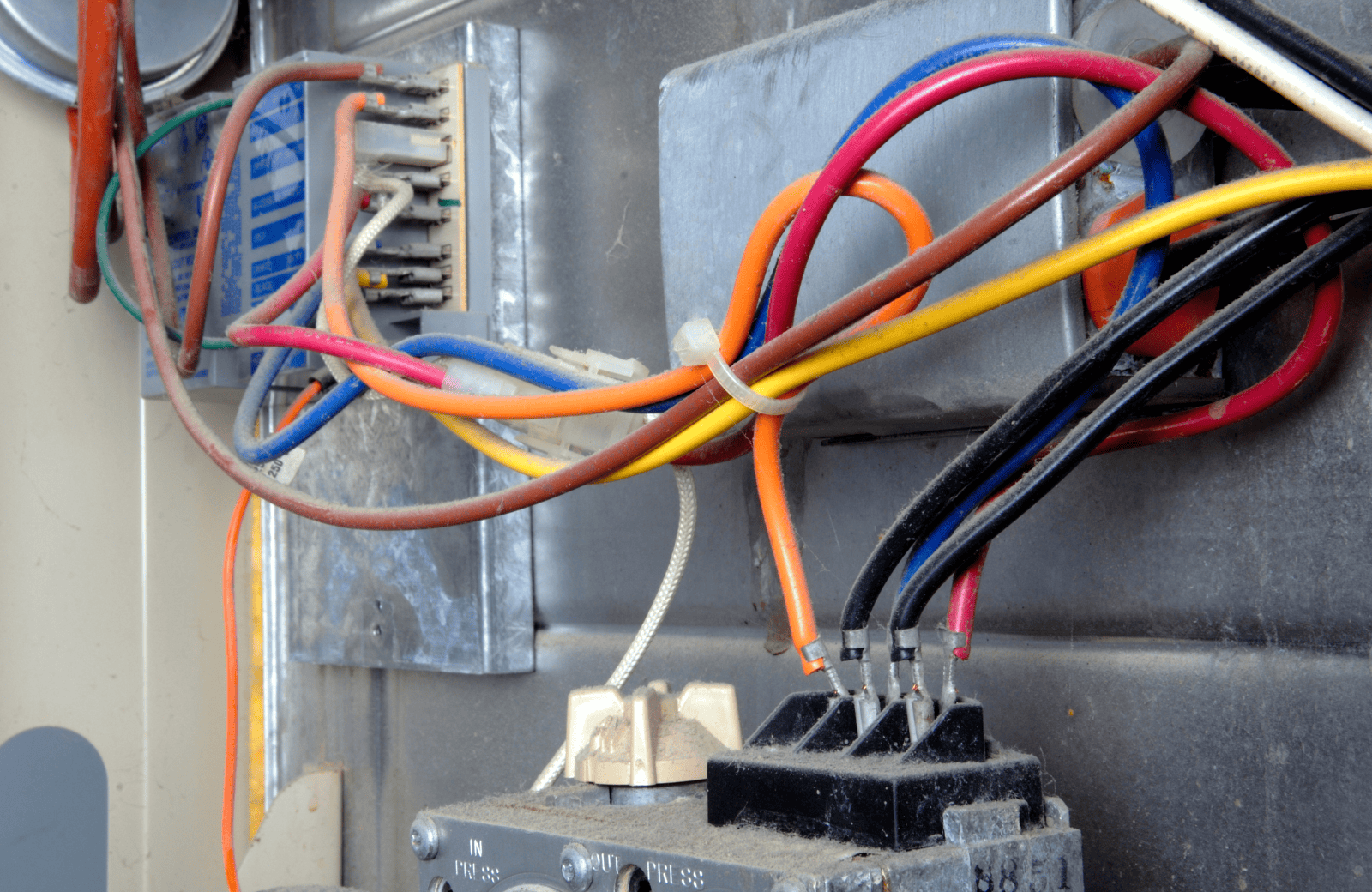
A sharp, acrid smell like hot plastic or melting wire is a warning sign. It can mean an overheating blower motor, a failing capacitor, or damaged wiring.
Turn the system off at the thermostat and at the breaker. Do not turn it back on until a technician inspects it.
Burning Rubber Smell
A rubbery smell often points to the blower motor or its belt on older systems. When a motor struggles or a belt slips, friction creates heat and a strong odor.
This problem gets worse over time. Catching it early can save you from a full motor replacement.
Oil or Fuel Smell
Homes with oil furnaces may notice a light oil smell at startup. A strong or constant oil odor can mean a leak, a clogged burner, or a problem with combustion.
Oil furnaces are less common in our area, but they are still in some older homes. Either way, a persistent fuel smell needs a professional check.
Rotten Egg or Sulfur Smell
Natural gas has no smell of its own, so utilities add an odor that smells like rotten eggs. If you notice that smell, treat it as a possible gas leak.
Do not flip light switches, use your phone inside, or try to find the leak yourself. Get everyone out of the house, then call your gas utility or 911 from a safe distance.
Chemical or Formaldehyde Smell
A sharp chemical odor can be a sign of a cracked heat exchanger. This is one of the most serious furnace problems because a crack can allow combustion gases into your air.
Shut the furnace off and schedule an inspection. Make sure your carbon monoxide detectors are working while you wait.
Burning Smell From Heater: Normal Versus Dangerous
Use this quick chart to match what you smell with the most likely cause and the right next step.
| What You Smell | Likely Cause | What to Do |
|---|---|---|
| Dusty or toasty, fades within an hour | Dust burning off on first use | Open a window and let it run |
| Dusty smell that keeps coming back | Dirty air filter | Replace the filter today |
| Hot plastic or electrical | Overheating motor, wiring, or capacitor | Shut it off and call us |
| Burning rubber | Blower motor or belt trouble | Shut it off and call us |
| Strong oil or fuel | Leak or combustion problem | Shut it off and call us |
| Rotten eggs or sulfur | Possible gas leak | Leave now and call the gas utility or 911 |
| Sharp chemical odor | Possible cracked heat exchanger | Shut it off and schedule an inspection |
Is a Burning Smell From Your Heater Dangerous?
Usually not, but sometimes it is. The danger depends on what is burning and whether the smell comes with other warning signs.
Heating equipment is a real fire risk when something goes wrong. According to the National Fire Protection Association, heating equipment accounts for about 11% of reported home fires. Nearly half of those fires happen from December through February.
Warning Signs to Take Seriously
- Visible smoke from vents or the unit
- A smell that gets stronger instead of fading
- Scorch marks or melted plastic near the unit
- Breakers that trip when the heat turns on
- Flickering lights when the blower starts
If you notice any of these, turn the system off and call a technician. It is always better to be cautious with heat and electricity.
The Carbon Monoxide Question
Here is the part many homeowners do not realize. Carbon monoxide has no smell at all, so a burning odor does not tell you whether it is present.
The Centers for Disease Control and Prevention reports that more than 400 Americans die each year from accidental carbon monoxide poisoning. The CDC also lists gas and oil burning furnaces among the household items that produce this gas.
How to Protect Your Family From Carbon Monoxide
The CDC recommends battery operated or battery backup detectors near every sleeping area. It also advises replacing detectors every five years or as the manufacturer directs.
- Test your detectors when you change your clocks in the spring and fall.
- Know the symptoms: headache, dizziness, weakness, nausea, and confusion.
- Get everyone outside and call 911 if an alarm sounds.
- Have your heating system serviced by a qualified technician every year.
Does a Heat Pump Smell Like Burning Too?
Yes, heat pumps can produce a burning smell, especially when the backup electric heat strips turn on. Those strips collect dust just like a furnace does.
You may notice it on the first cold morning or whenever the auxiliary heat kicks in. As with a furnace, a dusty smell that fades quickly is normal.
When a Heat Pump Smell Is a Problem
An electrical smell from the indoor unit may point to overheating heat strips or a failing blower motor. An electrical smell from the outdoor unit often means a struggling fan motor or capacitor.
In either case, turn the system off and schedule service. Our heating repair team works on heat pumps and furnaces alike.
What About Space Heaters?
Portable space heaters also smell like burning when they first run. The same dust burn off applies. Space heaters carry more risk, though, because they sit close to furniture, bedding, and curtains.
The same NFPA report found that space heaters and heating stoves cause about 30% of home heating fires. They also account for 73% of the deaths. Give every space heater at least three feet of clear space and never leave one running while you sleep.
Safer Space Heater Habits
- Plug heaters directly into a wall outlet, never an extension cord.
- Choose a model with automatic shutoff if it tips over.
- Turn heaters off when you leave the room or go to bed.
- Replace any heater with a frayed cord or a burning plastic smell.
How Can You Prevent Burning Smells From Your Heater?
Most burning smells come down to dust and wear. Simple care keeps both under control.
The ENERGY STAR maintenance checklist recommends a heating check every fall. It also notes that faulty gas connections are a fire hazard. A fall visit is the best way to catch problems before the cold weather arrives.
Change Your Air Filter Regularly
Your filter traps dust before it reaches hot surfaces. A clean filter means less dust to burn and fewer smells.
Check your filter monthly during heating season. Replace it whenever it looks gray or clogged.
Run a Short Test Before It Gets Cold
Turn on your heat for 20 to 30 minutes on a mild fall day with a window open. That burns off the dust before you really need the heat.
It also lets you spot problems while repairs are easier to schedule. You do not want to discover a failed part on the coldest night of the year.
Keep the Area Around Your System Clear
Furnaces and air handlers often share space with storage in closets, garages, and attics. Boxes, paint cans, and cleaning supplies stored too close can create odors and fire risks.
Keep at least a few feet of open space around your equipment. That also makes service visits faster and easier.
Schedule a Seasonal Tune Up
A professional tune up cleans the burners or heat strips and checks electrical connections. It also tests safety controls and inspects the heat exchanger. We walk through each step in our furnace maintenance checklist.
That visit catches loose wires, worn motors, and cracks before they turn into smells or safety issues.
When Should You Call a Professional?
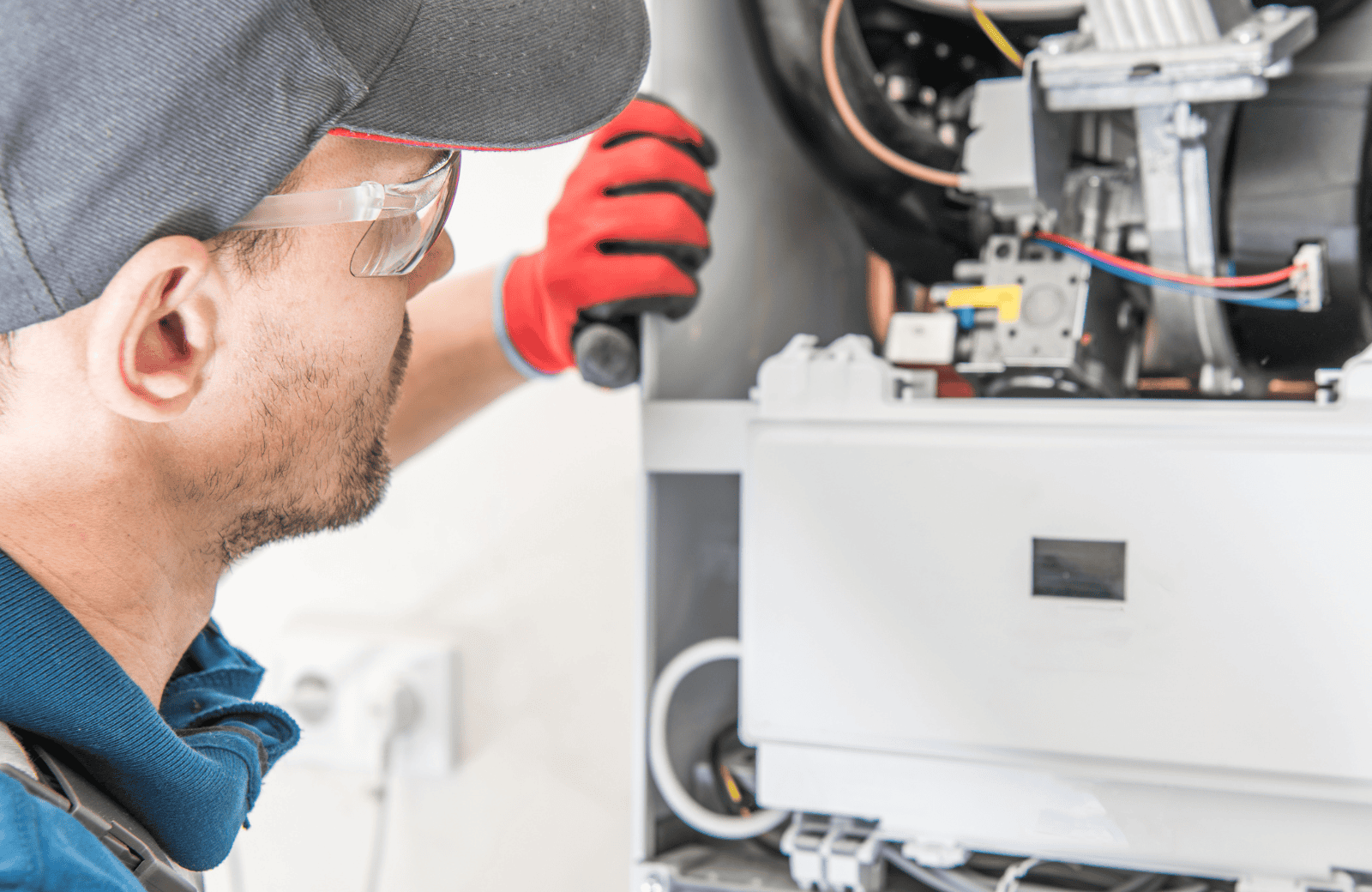
Call a technician any time the smell is electrical, rubbery, chemical, or oily. Also call when a dusty smell will not go away. Also call if the smell comes with smoke, tripped breakers, or strange noises.
A heating repair visit can find the source quickly and keep your family safe.
What a Technician Checks
- Burners, flame sensor, and heat exchanger on gas furnaces
- Electric heat strips and limit switches on heat pumps
- Blower motor, belt, and capacitor
- Wiring and electrical connections
- Venting and flue pipes for proper draft
Your technician should explain what caused the smell and share the cost before any work begins.
Frequently Asked Questions About a Burning Smell From Heater Vents
How long does a burning smell from a heater last?
A normal dust smell usually fades within 30 minutes to an hour after the first run of the season. It may take a little longer if the system sat unused for many months. If the smell lasts for days or returns every time the heat runs, schedule an inspection.
Is it safe to sleep with a heater that smells like burning?
If the smell is a faint dusty odor that is already fading, it is generally safe. If the smell is electrical, rubbery, or chemical, turn the system off before bed and call a technician. Always make sure your carbon monoxide detectors work before you sleep with the heat on.
Can a burning smell from the heater make you sick?
A brief dust smell may irritate sensitive noses or allergies, but it is not toxic in small amounts. Smoke from burning wires or plastic is more harmful and needs attention right away. Carbon monoxide causes illness without any smell, which is why detectors matter.
Why does my heater smell like burning plastic?
A burning plastic smell usually means something electrical is overheating, such as a motor, capacitor, or wire. It can also mean a plastic item fell into a vent or touched a hot surface. Shut the system off and have a technician inspect it before using it again.
Should I change my air filter if my heater smells burnt?
Yes, a clogged filter is one of the most common reasons a dusty smell keeps coming back. A fresh filter traps dust before it reaches hot parts of the system. It also improves airflow, which helps your heater run cooler and more efficiently.
Why does my furnace smell like burning after a tune up?
A light smell after service can come from cleaned parts heating up for the first time. It should fade within the first hour of use. If it lasts longer, call the company that serviced your system so they can check their work.
How Advantage Air Services Keeps Your Heat Safe and Smelling Clean
We know how unsettling it is to smell something burning in your home. We also know you want clear answers fast, not guesswork.
Our team finds the source of the smell, explains what we find in plain language, and fixes it safely.
Local Heating Help You Can Count On
We serve homeowners in Willow Spring, Cary, Garner, Apex, Holly Springs, Raleigh, Fuquay, Clayton, and nearby towns. Our NATE certified technicians bring more than 30 years of heating experience to every visit.
We work on all makes and models of furnaces and heat pumps. That includes older systems that other companies may not want to touch.
Honest, Upfront Pricing
We use flat rate pricing with no hidden fees. You know the cost before we start any work.
Every job is backed by our 100% satisfaction guarantee. If you are not happy, we make it right.
Ways to Save on Your Service
- $25 off any service repair (not valid on diagnostic or trip fees)
- Senior discounts
- Military discounts
Schedule Your Heating Check Today
If you notice a burning smell from heater vents that will not go away, do not ignore it. Call or text us at (919) 639-2661 to schedule service with our local team. You can also visit our About Us page for our hours and contact details. After hours emergency service is available when you need it most.