
A UV light for HVAC systems uses ultraviolet light to kill or deactivate mold and bacteria on your indoor coil and drain pan. It works best as a coil cleaner, and it does not replace a good air filter.
So is it worth it? For many North Carolina homes with humid summers or musty odors, the answer is yes. You just need to know what it can and can’t do.
We install and service these systems across the Triangle every week. Here is what we want every homeowner to know before buying one.
Do This Today
- Check your air filter and replace it if it looks gray or dusty.
- Sniff your supply vents for a musty or dirty sock smell when the system starts.
- Look at the drain line near your indoor unit for slime, standing water, or clogs.
- Note whether anyone in your home has allergies that flare up indoors.
- Write down the age of your system and the date of its last tune up.
What Is a UV Light for HVAC and How Does It Work?
A UV light for HVAC is a germicidal lamp mounted inside your ductwork or air handler. It gives off short wave ultraviolet light that damages the DNA of microbes, so they can’t grow or multiply.
The U.S. Environmental Protection Agency calls this technology ultraviolet germicidal irradiation, or UVGI. In its technical guide to residential air cleaners, the EPA explains that UVGI is designed to reduce the number of viable airborne microorganisms by killing or deactivating them.
Where the Light Goes in Your System
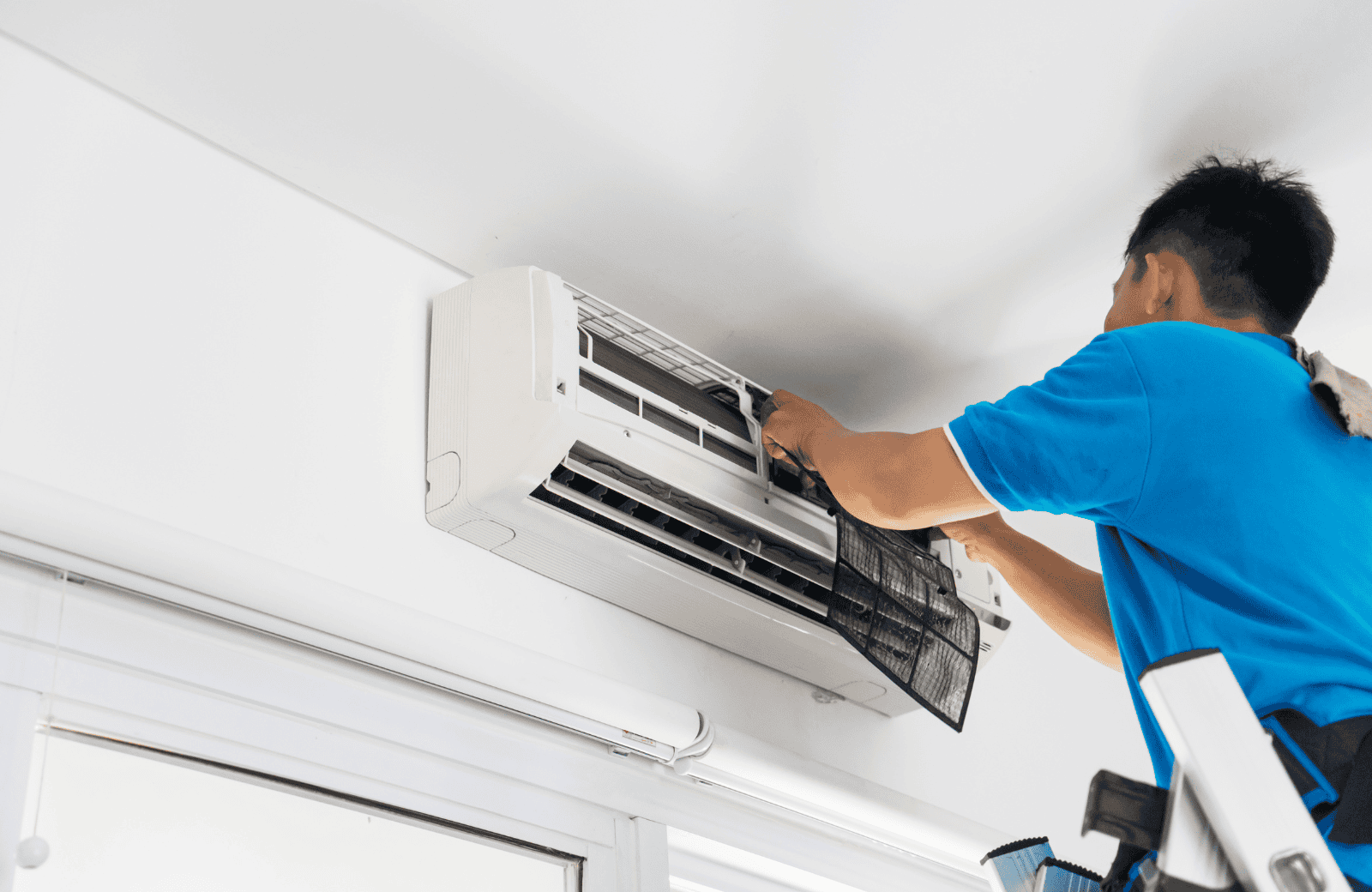
Most residential UV lights sit right above or beside the evaporator coil. That coil lives inside your indoor unit and stays cold and wet whenever your AC or heat pump runs in cooling mode.
Cold, wet, and dark is exactly what mold loves. Putting a UV lamp there floods that space with light around the clock.
Why UV C Light Is the Type That Matters
Germicidal lamps use UV C light, which sits at the short end of the ultraviolet range. This is the band strong enough to break down microbial DNA.
You never see this light working once the panel is closed. The lamp simply runs in the background, usually wired to stay on all the time.
What It Targets Inside Your Unit
- Mold and mildew growing on the evaporator coil
- Bacteria and biofilm in the condensate drain pan
- Some airborne microbes passing through the light
- Musty odors that come from growth inside the unit
What Are the Different Types of HVAC UV Lights?
There are two main types: coil sterilizing lights and air sterilizing lights. Coil lights keep surfaces clean. Air lights try to treat air as it moves through the ducts.
Knowing the difference helps you buy the right product for your goal.
Coil Sterilizing UV Lights
These lamps point directly at the coil and drain pan. Because the coil sits in the light constantly, the UV dose builds up over hours and days.
This is where UV technology shines brightest. Long exposure is what makes it effective.
Air Sterilizing UV Lights
These lamps sit in the return or supply duct and try to treat air on the move. Air travels past them in a fraction of a second, so the dose each microbe receives is small.
Some systems use two or more bulbs to boost the dose. Results depend heavily on lamp strength and airflow speed.
Quick Comparison of UV Light Types
| Feature | Coil Sterilizing Light | Air Sterilizing Light |
|---|---|---|
| Main job | Keeps coil and drain pan clean | Treats moving air |
| Where it mounts | At the indoor coil | In the return or supply duct |
| How it runs | On all the time | On all the time or with the blower |
| Exposure time | Hours and days | A split second per pass |
| Best for | Mold, odors, and coil buildup | Extra support for airborne germs |
| Typical effectiveness | Strong on surfaces | Varies with lamp power and airflow |
If you want a cleaner coil and fewer musty smells, our technicians can walk you through the right setup. Call or text us at (919) 639-2661 or schedule your visit and we will check your system first.
Does a UV Light for HVAC Actually Work?
Yes, a UV light for HVAC works well on surfaces like your coil and drain pan. It works less reliably on airborne germs and allergens, because air moves past the lamp too fast.
The EPA puts it plainly. A properly designed system can reduce bacteria and mold and provide low to moderate reductions in viruses, but it offers little, if any, reduction in bacterial and mold spores.
Why Surfaces Get the Best Results
Microbes growing on your coil sit in direct light for hours. The EPA notes that prolonged direct UV exposure can destroy microbial growth on cooling coils, filters, and drain pans.
That is the job we recommend UV lights for most often. A cleaner coil also moves heat better, which helps your system run the way it should.
Why Airborne Results Vary
Residential lamps tend to be lower in intensity than commercial systems. According to the EPA, killing airborne viruses and spores likely requires much higher UV exposure than a typical home unit provides.
For that reason, the EPA also cautions that UV cleaners might not be effective in reducing allergy and asthma symptoms. We would rather tell you that up front than oversell a product.
What Changes Performance
- Type and strength of the lamp
- Humidity and temperature inside the unit
- How fast air moves past the bulb
- How clean the bulb surface stays
- How old the bulb is
What Are the Real Benefits of a UV Light in Your HVAC System?
The biggest benefits are a cleaner coil, a cleaner drain pan, and fewer musty odors. Those wins add up to steadier performance and fewer surprise service calls.
A Cleaner Coil Means Better Heat Transfer

Mold and biofilm form a thin layer on coil fins. That layer acts like insulation and makes your system work harder to cool your home.
Keeping the coil clear helps your AC or heat pump move heat the way it was designed. It also means fewer chemical coil cleanings over time.
Fewer Clogged Drain Lines
Slime in the drain pan is a common reason drain lines back up. A clogged line can trip a safety switch, shut your system down, or leak water into your home.
UV light keeps that growth in check. It does not replace regular drain line cleaning, but it slows the buildup.
Less of That Dirty Sock Smell
Many homeowners first call us about a stale smell when the AC kicks on. That odor often comes from growth on the coil.
Clearing the growth and adding a UV lamp often solves the smell for good. It is one of the most noticeable changes you will feel.
Peace of Mind for Sensitive Households
If you have kids, older family members, or pets, a cleaner system simply feels better. Just remember that UV works best as one layer of a bigger indoor air plan.
What Are the Downsides and Safety Concerns?
The main concerns are ozone from the wrong bulb, eye and skin exposure, and ongoing bulb costs. All three are easy to manage with the right product and proper installation.
Ozone and Lamp Coatings
Some UV lamps can create ozone, which is a lung irritant. The EPA’s Guide to Air Cleaners in the Home warns that UV lights without adequate lamp coatings may have the potential to emit ozone.
That is why we only install lamps designed to avoid ozone production. If a product does not clearly say how it handles ozone, skip it.
Eye and Skin Safety
UV C light can injure your eyes and skin. Never look at a running lamp or open the access panel while it is on.
Quality systems include a safety switch that cuts power when the panel comes off. We test that switch during every install.
Ongoing Costs
- Replacement bulbs, usually once a year
- A small amount of added electricity
- Bulb cleaning during routine maintenance
Possible Wear on Nearby Parts
Strong UV light can break down some plastics and wire coverings over time. A trained installer aims the lamp carefully and shields sensitive parts.
UV Light vs Air Filter vs Air Purifier: Which Do You Need?
Most homes need a good air filter first, then a UV light to keep the coil clean. An air purifier is a separate tool that captures particles, which is a different job than UV light does.
This matters because most of your exposure happens at home. The EPA reports that most people spend about 90% of their time indoors, mostly in their homes.
| Option | What It Does Best | What It Can’t Do | Best Fit |
|---|---|---|---|
| Air filter (MERV 13 if your system allows) | Captures dust, pollen, and fine particles | Does not kill mold on the coil | Every home |
| UV light for HVAC | Keeps coil and drain pan clean | Does not capture dust or allergens | Humid homes, musty odors, mold concerns |
| Whole home air cleaner | Removes more particles across the house | Does not stop coil growth | Allergy and asthma households |
| Portable air purifier | Cleans air in a single room | Does not treat the whole house | Bedrooms and home offices |
Start With Filtration
The EPA suggests using a filter rated at least MERV 13, or as high as your system can handle. A technician can confirm what your blower and filter slot can manage.
Add UV for the Coil
Once filtration is in place, a UV lamp handles what filters can’t reach. That combination covers both particles and microbial growth.
We offer UV lights, air cleaners, and filter systems as part of our HVAC services. We can help you pick the right mix for your home and budget.
Is a UV Light Worth It in a North Carolina Home?
For many Triangle homes, yes. Our long, humid summers keep indoor coils wet for months, which gives mold plenty of time to grow.
Homes That Benefit Most
- Homes with a musty smell when the system starts
- Homes with a history of clogged condensate lines
- Households with mold sensitivities
- Homes in shaded, damp lots or with crawl spaces
- Systems that run hard from May through September
When It May Not Be Worth It
If your coil stays clean and your filter is already strong, UV may add little. It also won’t fix a duct leak, a moisture problem, or a dirty filter.
The EPA notes that air cleaners do not address the cause of mold problems. If moisture is the root issue, we fix that first.
How Much Does a UV Light for HVAC Cost?
The cost depends on the lamp type, the number of bulbs, and how easy your air handler is to reach. A single coil light costs less than a multi bulb air treatment system.
What Drives the Price
- Coil light versus air sterilizing light
- Number and length of bulbs
- Access to your air handler in an attic, closet, or crawl space
- Whether new wiring or a safety switch is needed
- Yearly replacement bulb cost
How We Price It
We use flat rate pricing with no hidden fees. You see the full price before we start any work.
How Long Does a UV Bulb Last and How Do You Maintain It?
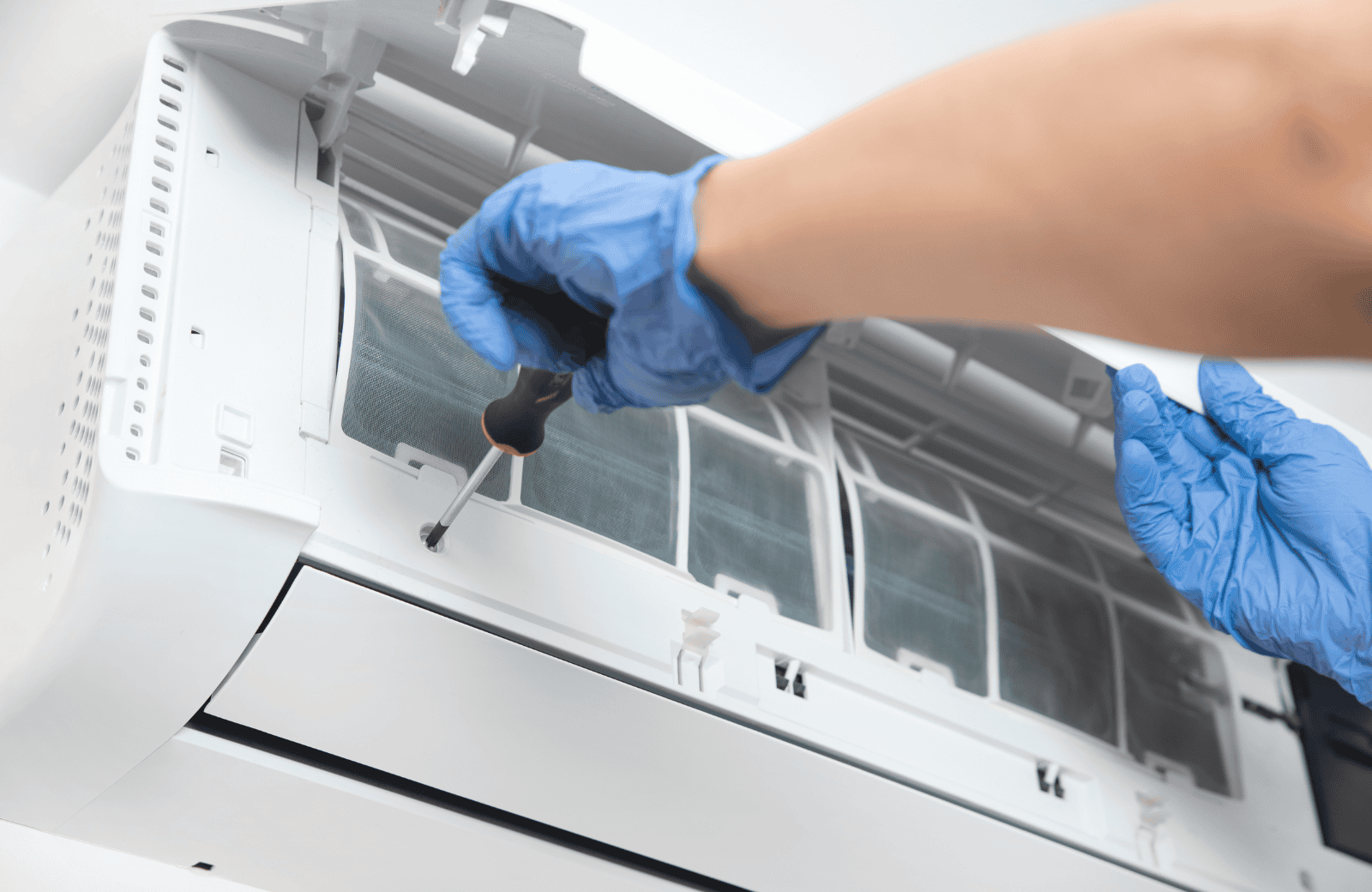
Most UV bulbs need replacing about once a year, even if they still glow. Their germicidal strength fades long before the light burns out.
Simple Upkeep Steps
- Replace the bulb on the schedule the manufacturer sets.
- Have the bulb wiped clean during each tune up, since dust blocks UV output.
- Keep changing your air filter on schedule.
- Never service the lamp yourself while it has power.
The EPA stresses that regular maintenance of UV systems is crucial, including cleaning lamps and replacing old ones. We add bulb checks to your seasonal maintenance visits so you never have to track it.
When Should You Call a Pro About UV Lights?
Call a pro when you notice musty odors, repeated drain clogs, or visible growth near your indoor unit. Also call if your UV light has stopped glowing or needs its yearly bulb.
- Musty smell from vents
- Water around your indoor unit
- Dark spots or slime on the coil or drain pan
- A UV lamp that no longer lights up
- Questions about which indoor air product fits your home
How Advantage Air Services Helps You Breathe Easier at Home
We help Triangle families keep their systems clean, efficient, and comfortable all year. Your indoor air deserves the same care as your comfort.
Honest Advice Before Any Install
Every one of our indoor air quality installs starts with a look at your coil, filter, and drain line. If a UV light is not the right fix, we tell you.
Our NATE certified technicians work on all makes and models. We bring over 30 years of HVAC experience to every visit.
Upfront Pricing and a Satisfaction Guarantee
We use flat rate pricing with no hidden fees. Every job is backed by our 100% satisfaction guarantee.
- $25 off any service repair (not valid on diagnostic or trip fees)
- Senior discounts
- Military discounts
Serving Raleigh, Cary, Clayton, and Beyond
We serve Willow Spring, Cary, Garner, Apex, Holly Springs, Raleigh, Fuquay, Clayton, Knightdale, and nearby towns. Our local team knows how Triangle humidity affects your system.
Get Cleaner Air Moving Through Your Home
Ready to find out if a UV light makes sense for your system? Call or text us at (919) 639-2661 or schedule your visit with our team today.
Frequently Asked Questions
Does a UV light for HVAC really work?
Yes, especially on surfaces. A UV light keeps your indoor coil and drain pan free of mold and bacteria. It is less effective on airborne germs and allergens because air moves past the lamp very quickly.
How much does an HVAC UV light cost?
Price depends on the lamp type, the number of bulbs, and how easy your air handler is to reach. Coil lights usually cost less than multi bulb air systems. We give you a flat rate price before any work starts.
Where should an HVAC UV light be installed?
Most coil lights mount inside the air handler near the evaporator coil and drain pan. Air treatment lamps may go in the return or supply duct. The right spot depends on your goal and your system layout.
How long does a UV light in HVAC last?
Most bulbs need replacing about once a year. They may still glow after that, but their germicidal strength drops over time. Cleaning the bulb during tune ups helps it work its best until replacement.
Do HVAC UV lights produce ozone?
Some can, especially lamps without proper coatings. Choose a lamp designed to avoid ozone production, and have a trained technician install it. We only install products made for occupied homes.
Can a UV light replace my air filter?
No. A UV light does not capture dust, pollen, or other particles. Your filter still does that job, so keep changing it on schedule and pair it with UV for the best results.