
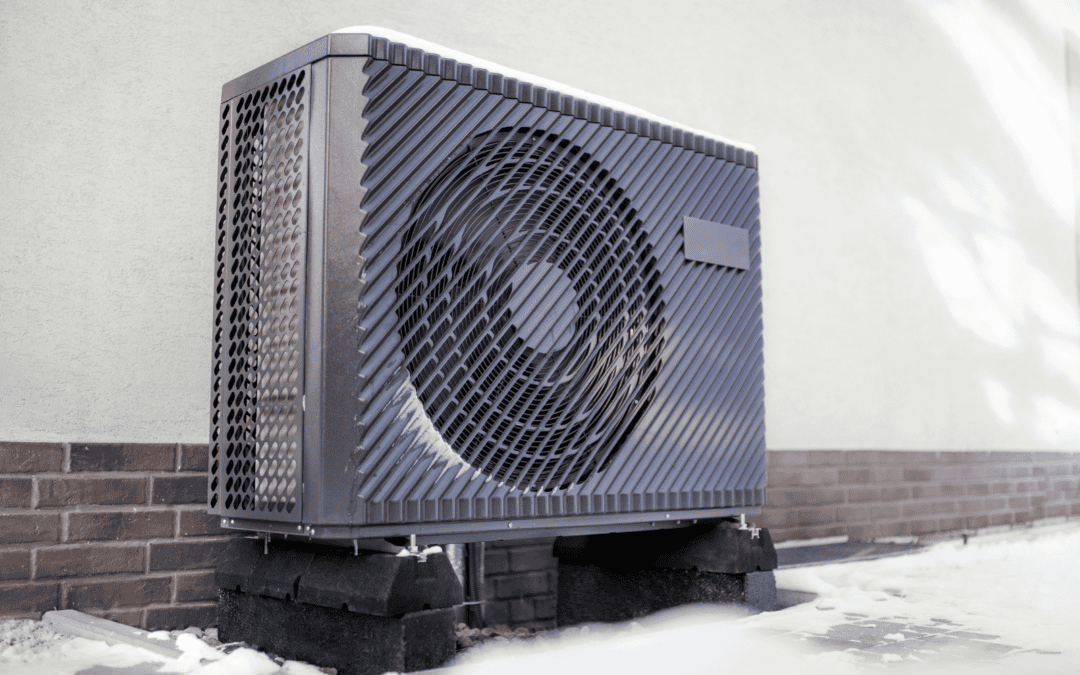
A heat pump blowing cold air is usually in a normal defrost cycle or set to the wrong thermostat mode. Less often, the cause is low airflow, low refrigerant, or a stuck reversing valve. You can rule out the simple causes in about ten minutes.
It also helps to know what normal feels like. A heat pump sends out air that is warm but not hot. A little coolness at the vent is not always a problem.
Here is what to do today if your heat pump blowing cold air has you reaching for a blanket:
- Set the thermostat to HEAT and the fan to AUTO, not ON.
- Wait 15 minutes and look outside for steam, which usually means a normal defrost cycle.
- Check your air filter and replace it if you cannot see light through it.
- Look at your breaker panel for a tripped breaker on the indoor or outdoor unit.
- Call a technician if cool air lasts over 30 minutes or ice covers the outdoor unit.
Why Is My Heat Pump Blowing Cold Air?
Most of the time, your heat pump blows cold air for one of a few common reasons. Some are completely normal, and some point to a part that needs attention.
Heat pumps work differently than furnaces. Instead of burning fuel to create heat, they pull heat from the outdoor air and move it inside. That process is efficient, but it changes how the air feels at your vents.
How a Heat Pump Makes Heat in the First Place
Your heat pump uses refrigerant to carry heat from the outdoor coil to the indoor coil. Even on a 35 degree day, outdoor air holds heat that the system can capture and concentrate.
According to the U.S. Department of Energy, modern air source heat pumps can reduce your electricity use by 50% compared to furnaces and baseboard heaters. That efficiency is why so many homes across Wake and Johnston Counties rely on them all winter.
Why the Air Feels Cooler Than a Furnace
A gas furnace often pushes out air well above 120 degrees. A heat pump typically delivers air somewhere in the 85 to 95 degree range.
Your skin runs close to 93 degrees. Air in that range can feel lukewarm or even cool as it moves across your hand. If the room is slowly warming and the thermostat is reaching its setting, your system is likely doing its job.
Normal Coolness Versus a Real Problem
Here is a simple way to tell the difference. Normal coolness is mild, steady, and the house still warms up over time.
A real problem looks different. The air feels as cold as air conditioning, or the house keeps getting colder. The system may also run for hours without reaching the setting.
Is Your Heat Pump in Defrost Mode?
Defrost mode is the most common reason a heat pump blows cold air for a short stretch. It is normal, and it protects your system.
When outdoor temperatures hover near freezing, frost builds up on the outdoor coil. Your heat pump senses this and briefly reverses itself to melt the ice.
What Happens During a Defrost Cycle
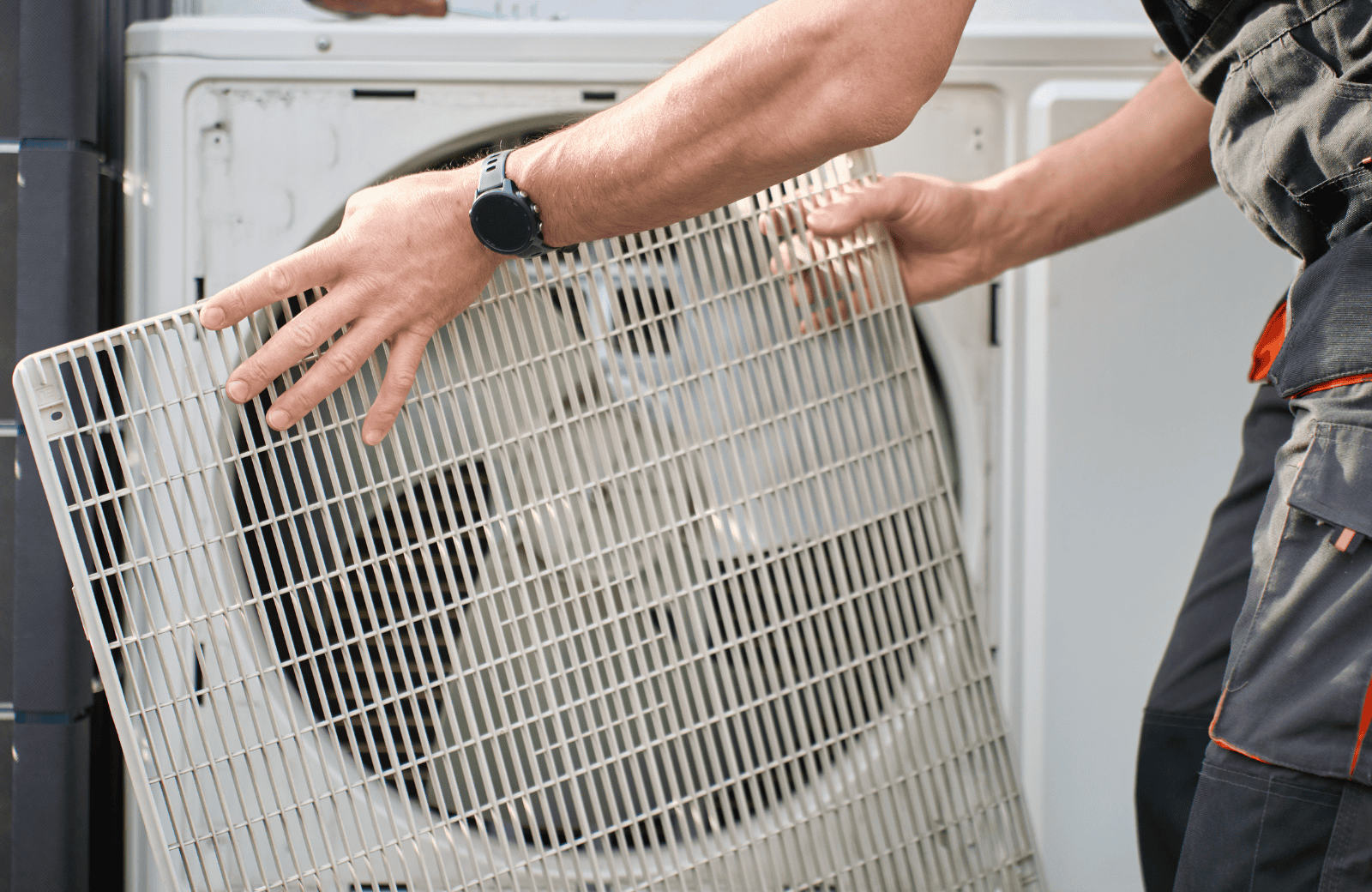
During defrost, the system switches into cooling mode for a few minutes. That sends warm refrigerant to the outdoor coil to melt the frost.
While that happens, the outdoor fan usually stops. Many systems turn on backup electric heat strips inside so you do not feel a blast of cold air.
How Long Defrost Mode Lasts
A typical defrost cycle lasts about 5 to 15 minutes. In cold, damp weather, it may repeat every 30 to 90 minutes.
- You may hear a whoosh or a loud click as the system switches over.
- You may see steam rising from the outdoor unit.
- You may notice cooler air at the vents until the cycle ends.
All of these signs are normal. If cool air lasts much longer than 15 minutes, something else is likely going on.
Why Triangle Weather Triggers Defrost So Often
Our winters in the Triangle are mild, but they are often damp. Temperatures in the mid 30s paired with high humidity are perfect conditions for frost on an outdoor coil.
That means your heat pump may defrost more often here than it would in a dry, colder climate. Frequent defrost on a foggy January morning is not a sign of failure.
Could the Thermostat Be the Problem?
Yes, and it is the easiest thing to check. A surprising number of cold air calls come down to a thermostat setting.
Start here before you worry about expensive parts.
Check the Mode and Fan Settings
Make sure the thermostat is set to HEAT, not COOL or AUTO. Then look at the fan setting.
When the fan is set to ON, it runs nonstop, even between heating cycles. That moves unheated air through your vents and can make the whole house feel drafty. Setting the fan to AUTO lets it run only when the system is actively heating.
Batteries, Wiring, and Smart Thermostats
A thermostat with weak batteries can send confused signals to your system. Replace the batteries if the display looks dim or blank.
Smart thermostats sometimes need to be told they are connected to a heat pump. If yours was recently installed or updated, check its equipment settings to confirm it knows which system it controls.
Setting the Temperature Too Low
If you drop your thermostat several degrees at night, your heat pump has to work hard to recover in the morning. During that recovery, you may feel lukewarm air for longer than usual.
Smaller setbacks of 2 to 3 degrees often keep a heat pump more comfortable. They also reduce how often your backup heat strips switch on.
Is Low Airflow Making Your Heat Pump Blow Cold Air?
Low airflow is a very common cause, and a dirty filter is usually to blame. When air cannot move freely across the indoor coil, the system cannot deliver heat properly.
Restricted airflow also makes your system run longer and work harder. Over time, that strain wears out motors and other parts.
Your Air Filter Comes First
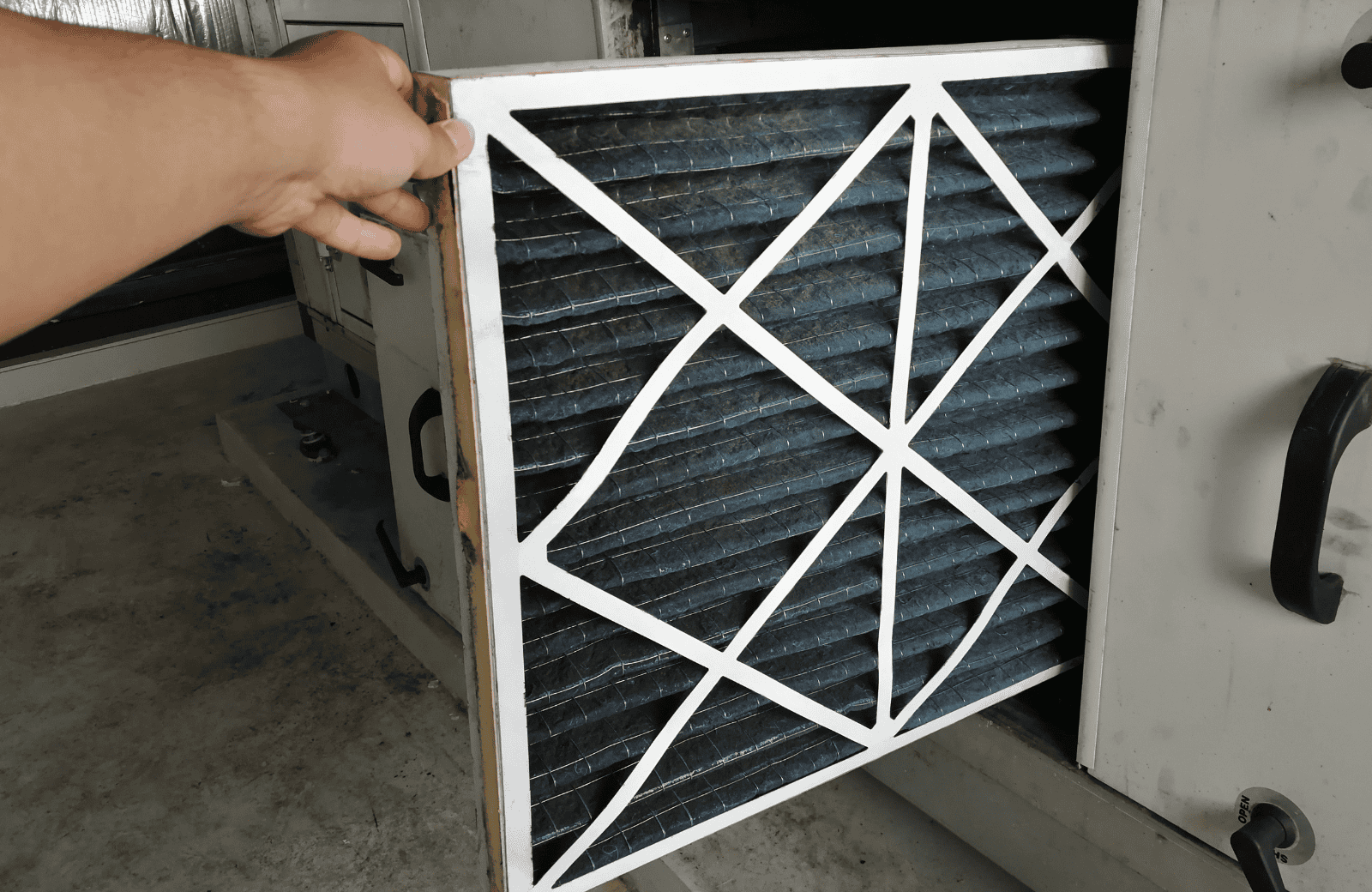
Pull out your filter and hold it up to a light. If you cannot see light through it, replace it.
The ENERGY STAR maintenance checklist recommends inspecting, cleaning, or changing air filters once a month in your furnace or heat pump. It also notes that airflow problems can reduce your system’s efficiency by up to 15 percent.
Closed Vents and Blocked Returns
Walk through your home and look at every supply vent and return grille. Furniture, rugs, and curtains often block them without anyone noticing.
Closing vents in unused rooms may seem like a smart way to save energy. With a heat pump, it often backfires by creating pressure problems in your ductwork.
Leaky or Crushed Ductwork
Ducts that run through a crawl space or attic can tear, sag, or come apart at the joints. When that happens, warm air escapes before it ever reaches your rooms.
- Rooms at the end of a duct run feel colder than others.
- You notice dust or insulation near vents.
- Your energy bills climb even though your habits have not changed.
These signs point to duct issues that a technician can find and repair.
What If the Outdoor Unit Is Frozen Solid?
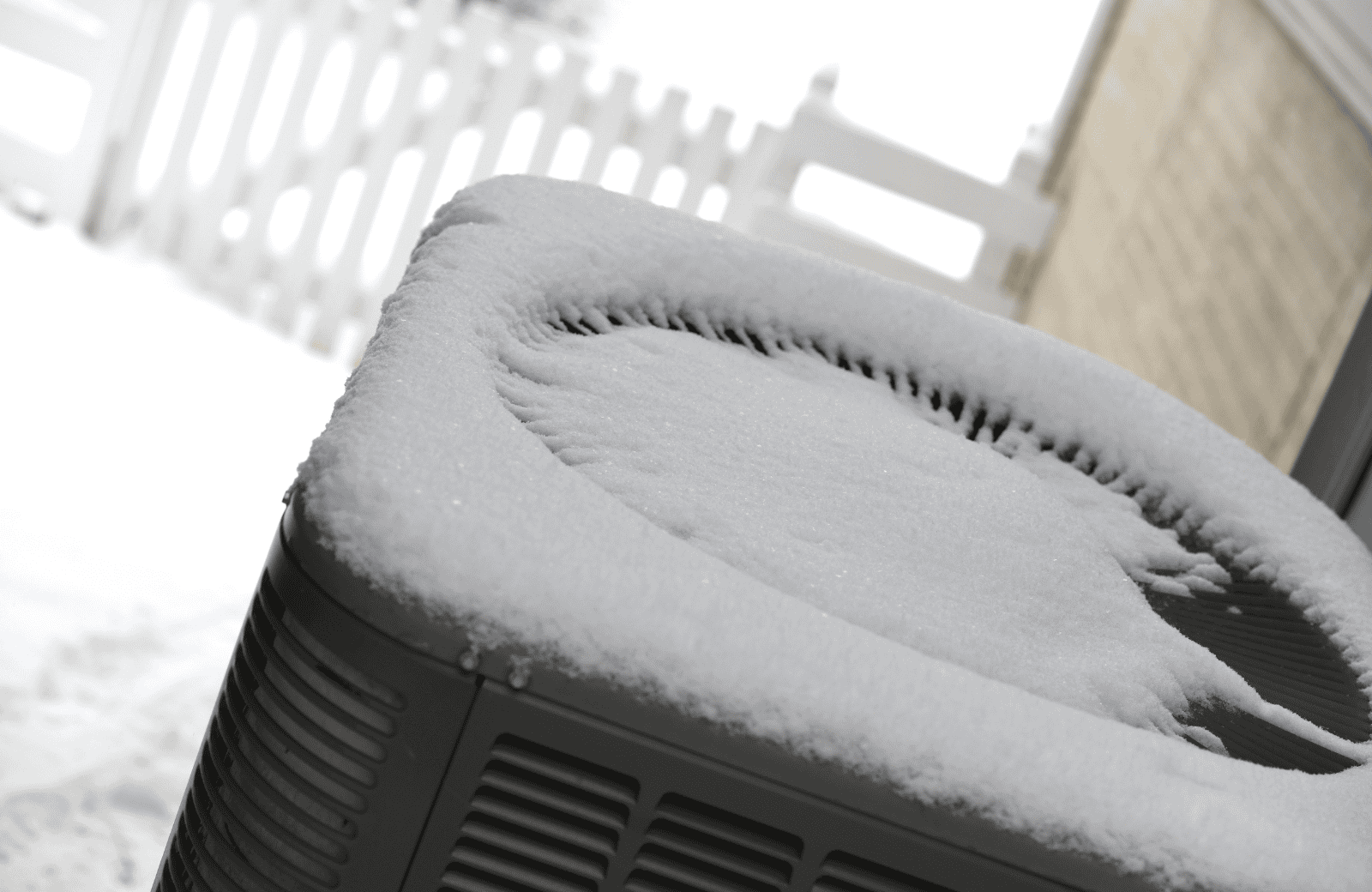
A light layer of frost is normal. A thick block of ice that does not melt is not.
If ice covers the coil, the top of the unit, or the fan, your heat pump cannot pull heat from the outdoor air. That leads straight to cold air inside.
Common Reasons for Heavy Ice
- A failed defrost control board or sensor
- Low refrigerant from a leak
- A broken outdoor fan motor
- Gutters dripping water directly onto the unit
- Snow or debris packed around the base
What You Can Safely Do
Clear leaves, snow, and debris from around the base of the unit. Keep about two feet of open space around all sides.
Never chip at ice with a sharp tool. You can easily puncture the coil and cause a costly refrigerant leak. If the ice does not clear within a few hours, turn the system to emergency heat and call for service.
Could Low Refrigerant or a Bad Reversing Valve Be the Cause?
Yes. When the simple fixes do not help, the problem often sits inside the sealed refrigerant system.
These repairs always need a licensed technician. Refrigerant handling requires special tools and certification.
Signs of Low Refrigerant
Refrigerant does not get used up like fuel. If the level is low, there is a leak somewhere in the system.
- The air feels cool even after defrost ends.
- You hear a hissing or bubbling sound near the indoor or outdoor unit.
- Ice forms on the refrigerant lines or outdoor coil.
- The system runs constantly but the house never warms up.
What the Reversing Valve Does
The reversing valve is the part that switches your heat pump between heating and cooling. If it sticks in the cooling position, your system blows cold air no matter what the thermostat says.
A technician can test the valve and the coil that controls it. Sometimes the fix is a simple electrical repair rather than a full valve replacement.
Electrical and Control Failures
Heat pumps rely on capacitors, contactors, sensors, and control boards. When one of these fails, the outdoor unit may stop running while the indoor fan keeps blowing.
That is a classic cause of cold air. Check your breaker panel first, and call us if a breaker trips again after you reset it.
Heat Pump Blowing Cold Air: Causes at a Glance
Use this quick guide to match what you notice with the most likely cause and the right next step.
| What You Notice | Likely Cause | What to Do |
|---|---|---|
| Cool air for 5 to 15 minutes, then warm again | Normal defrost cycle | Nothing, this is normal |
| Cool air between heating cycles | Fan set to ON | Switch the fan to AUTO |
| Weak airflow at every vent | Dirty air filter | Replace the filter today |
| Outdoor unit silent, indoor fan running | Tripped breaker or failed part | Reset once, then call us |
| Thick ice that will not melt | Defrost failure or low refrigerant | Use emergency heat and call us |
| Cold air no matter the setting | Stuck reversing valve | Schedule a repair visit |
| Hissing sound and constant running | Refrigerant leak | Schedule a repair visit |
What About Auxiliary and Emergency Heat?
Your heat pump likely has backup electric heat strips inside the indoor unit. They help during defrost and on the coldest mornings.
These strips are powerful, but they use far more electricity than the heat pump itself. Knowing how they work helps you avoid surprise bills.
Auxiliary Heat Turns On by Itself
Auxiliary heat switches on automatically when your heat pump needs a boost. You may see AUX on your thermostat display during defrost or when the house is far below the setting.
Brief auxiliary heat is normal. If AUX shows up all day, your heat pump may not be carrying its share of the load.
Emergency Heat Is a Manual Switch
Emergency heat turns off the outdoor unit and runs only the backup strips. It is meant for real emergencies, like a frozen or broken outdoor unit.
We explain this setting in more detail in our guide to what emergency heat is and when to use it. Use it to stay warm while you wait for a repair. Then switch back to HEAT once the system is fixed.
When Should You Call a Professional?
Call a technician when the simple checks do not solve the problem. Waiting too long can turn a small repair into a major one.
A professional heat pump repair visit can find the root cause quickly and safely.
Call Right Away If You Notice
- Cold air that lasts more than 30 minutes after defrost
- Thick ice that does not clear within a few hours
- A breaker that trips again after you reset it
- Grinding, screeching, or banging sounds
- A burning smell from the indoor or outdoor unit
What a Technician Checks
A thorough visit covers the parts you cannot safely test yourself. That includes refrigerant pressure, the reversing valve, the defrost board, capacitors, contactors, and airflow across the coils.
Your technician should explain what failed, why it failed, and what the repair costs before any work begins. You should always feel in control of the decision.
How Can You Keep Your Heat Pump Blowing Warm Air All Winter?
Regular care prevents most cold air problems. A few simple habits go a long way.
Fall is the best time to prepare. The same ENERGY STAR checklist suggests scheduling a heating check each fall, before contractors get busy with winter calls.
Habits That Help
- Check your air filter every month during heating season.
- Keep two feet of clear space around the outdoor unit.
- Make sure gutters do not drip onto the unit.
- Keep supply vents and return grilles open and clear.
- Use small thermostat setbacks instead of large ones.
Why Annual Maintenance Matters
A seasonal tune up catches weak capacitors, low refrigerant, and dirty coils before they leave you in the cold. It also helps your system run efficiently, which keeps your energy bills in check.
Think of it like an oil change for your car. It costs far less than the breakdown it prevents.
Frequently Asked Questions About a Heat Pump Blowing Cold Air
Is it normal for a heat pump to blow cold air in winter?
It can be normal for short periods. During defrost, a heat pump may blow cool air for 5 to 15 minutes while it melts frost on the outdoor coil. If the cool air lasts longer or the house keeps getting colder, the system likely needs service.
How do I know if my heat pump is in defrost mode?
Look for steam rising from the outdoor unit and listen for a loud click or whoosh. The outdoor fan usually stops during defrost. Normal heating should return within about 15 minutes.
Why is my heat pump blowing cold air after I changed the thermostat?
A new thermostat may be set up for a conventional system instead of a heat pump. The wiring for the reversing valve may also be connected to the wrong terminal. Check the equipment settings, and call a technician if the problem continues.
Can low refrigerant cause a heat pump to blow cold air?
Yes. Low refrigerant means the system cannot move enough heat from outdoors to indoors, so the air feels cool. Low refrigerant always means a leak. A licensed technician needs to find and repair it before recharging the system.
Should I switch to emergency heat if my heat pump is blowing cold air?
Only if the outdoor unit is frozen solid, damaged, or not running at all. Emergency heat keeps you warm but costs much more to operate. Use it as a short bridge until your heat pump is repaired.
Can a dirty air filter make a heat pump blow cold air?
Yes. A clogged filter restricts airflow across the indoor coil, which lowers the temperature of the air reaching your rooms. Replacing the filter is quick, inexpensive, and often solves the problem.
How Advantage Air Services Helps When Your Heat Pump Blows Cold Air
We know how uncomfortable a cold house feels on a damp Carolina morning. We also know how stressful it is to wonder whether a repair will be small or expensive.
Our team keeps it simple. We find the real cause, explain it clearly, and fix it right the first time.
Local Technicians Who Know Heat Pumps
We serve homeowners in Willow Spring, Cary, Garner, Apex, Holly Springs, Raleigh, Fuquay, Clayton, and nearby towns. Our NATE certified technicians work on all makes and models of heat pumps. That includes older systems and the newest variable speed units.
We work in the Triangle every day. We understand how our damp winters affect defrost cycles and outdoor coils.
Upfront Pricing With No Surprises
We use flat rate pricing with no hidden fees. You know the cost of your heat pump repair before we start any work.
Every job is backed by our 100% satisfaction guarantee. If you are not happy, we make it right.
Ways to Save on Your Repair
- $25 off any service repair (not valid on diagnostic or trip fees)
- Senior discounts
- Military discounts
Get Warm Air Flowing Again
If your heat pump is blowing cold air, you do not have to wait it out. Call or text us at (919) 639-2661 to schedule service with our local team. You can also visit our About Us page for our hours and contact details. After hours emergency service is available when you need it most.