
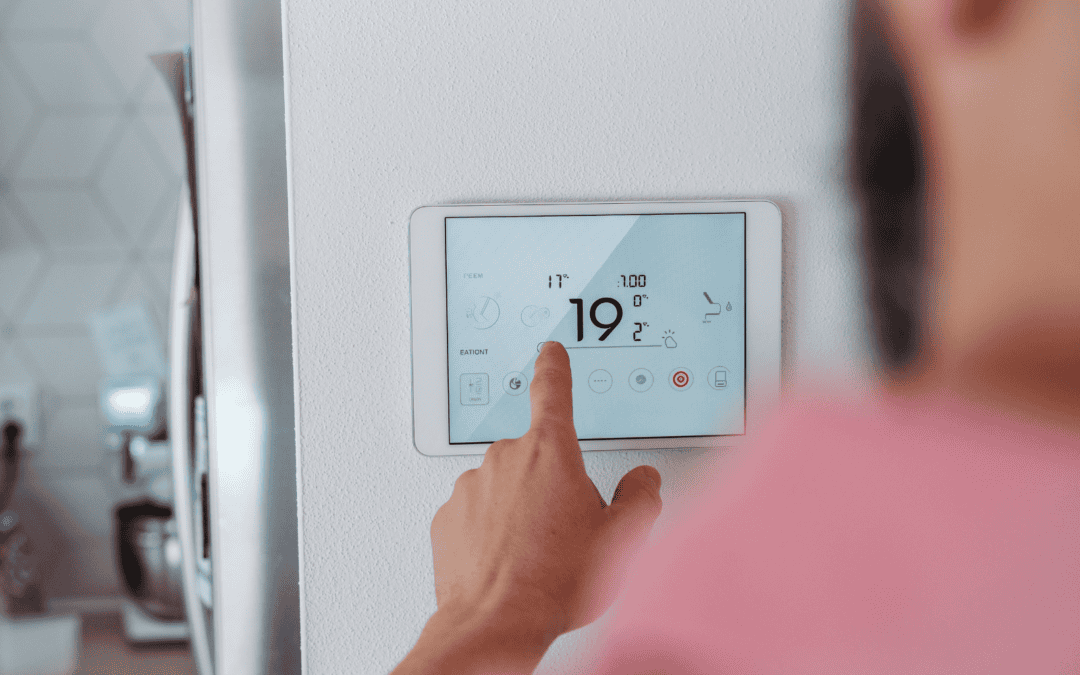
Here is what is emergency heat in plain terms. It is a manual thermostat setting that shuts off your heat pump. Your home then runs on backup electric strips or a furnace instead. You use it only when the outdoor unit stops working. Switch it back off as soon as the system is repaired.
Most homes around Willow Spring, Cary, and Garner run heat pumps. That little EM HEAT or AUX light on your thermostat confuses more homeowners than any other control in the house.
The short version is simple. Emergency heat is a backup you choose, and auxiliary heat is a helper your system chooses on its own.
Do These Five Things Today
- Look at your thermostat and find the EM HEAT or Emergency Heat setting.
- Check whether an AUX or EM light is currently lit.
- Walk outside and confirm the outdoor unit is spinning and free of ice.
- Leave the setting on HEAT unless the outdoor unit has actually failed.
- Write down the date you last had the system serviced.
What Is Emergency Heat on a Thermostat?
Emergency heat is a manual override. Choosing it tells your system to ignore the heat pump completely and run only the backup heat source.
In most Carolina homes, that backup is a set of electric resistance strips inside the indoor air handler. In a dual-fuel home, the backup is a gas furnace.
The setting exists for one job. It keeps your family warm when the outdoor unit cannot run at all.
How Your Heat Pump Normally Heats Your Home
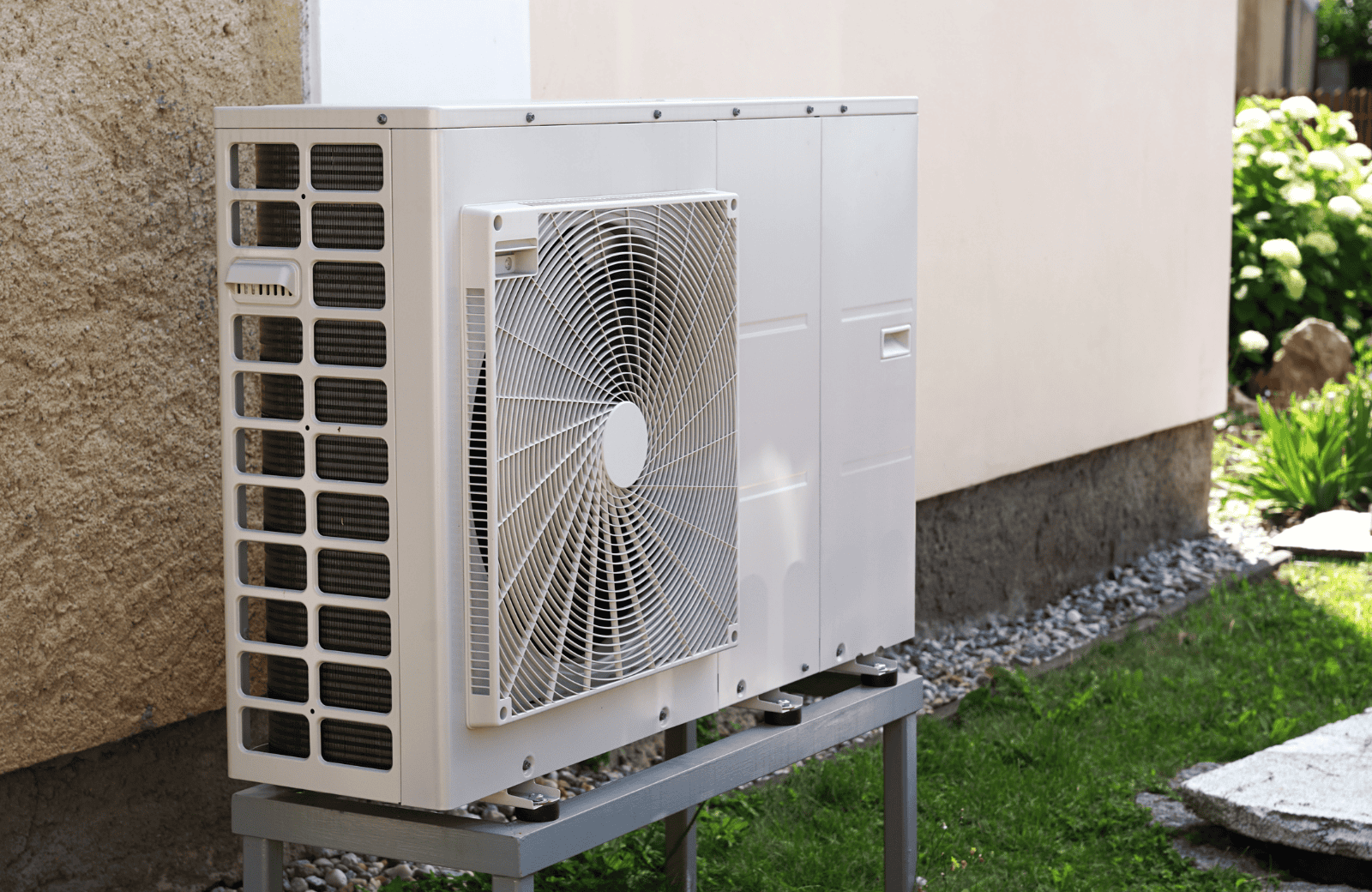
A heat pump does not create heat. It moves heat from outdoor air into your home, even when it feels cold outside.
That transfer process is remarkably efficient. It is also the reason your outdoor unit runs in the middle of January.
What the Backup Heat Strips Actually Do
Electric resistance strips work like a giant toaster. Electricity passes through coils, the coils glow hot, and your blower pushes that heat into the ducts.
The heat is real, and it is fast. It is also expensive, which is why the strips are meant to be a backup and not a primary source.
If your thermostat is stuck showing emergency heat, something in the system needs attention. Call or text us at (919) 639-2661, or read about our heating repair service. We will find out why.
How Is Emergency Heat Different From Auxiliary Heat?

Emergency heat is manual, and auxiliary heat is automatic. That single difference explains almost every question homeowners bring us about these two settings.
Auxiliary heat turns on by itself when the heat pump needs help. Emergency heat turns on only when you flip the switch.
Side by Side Comparison
| Question | Auxiliary Heat (AUX) | Emergency Heat (EM) |
|---|---|---|
| Who turns it on? | The thermostat, automatically | You, manually |
| Is the heat pump still running? | Yes, the strips assist it | No, the heat pump is locked out |
| When does it engage? | Cold snaps, defrost cycles, big setback recoveries | Only when you select it |
| Is it normal? | Yes, in short bursts | No, it signals a problem |
| Cost to run | Higher than heat pump alone | Highest of all |
| How long should it last? | Minutes at a time | Only until repairs are done |
Seeing AUX blink on a 25-degree morning is fine. Seeing EM lit for three days straight is not.
Why the Two Get Confused
Many thermostats use one small light for both. Older models simply label everything AUX, which hides the difference from you entirely.
Smart thermostats usually separate them clearly. If yours does not, we can tell you which one is actually running.
When Should You Actually Turn On Emergency Heat?
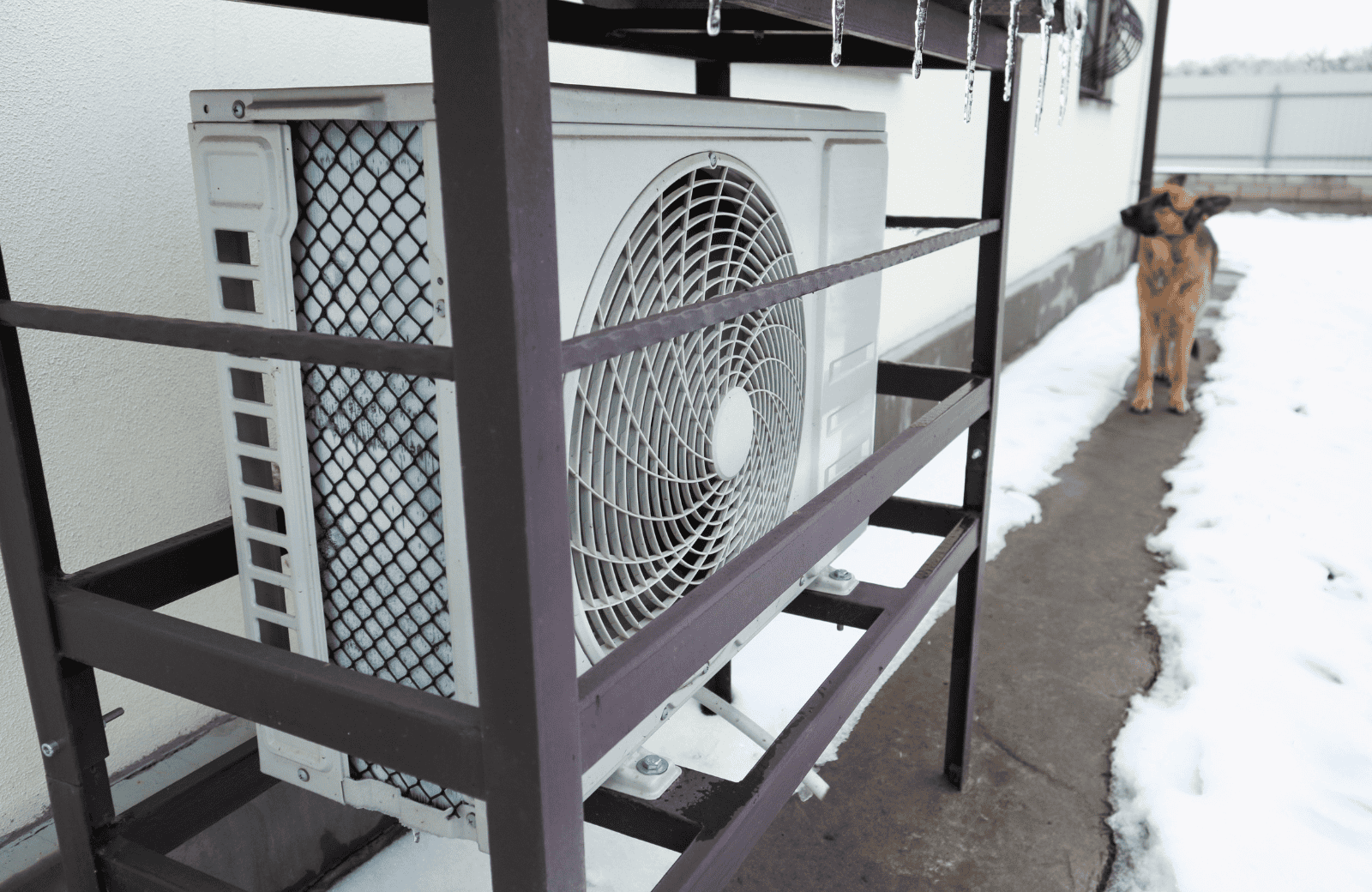
Turn it on when the outdoor unit cannot run, and your home is getting cold. That is the whole list.
Situations That Justify It
- The outdoor fan is not spinning at all
- The outdoor unit is buried in ice or packed snow
- A tree limb or debris has damaged the outdoor coil
- The outdoor unit is making a loud grinding or screeching noise
- Your technician told you to use it until a part arrives
In each of those cases, emergency heat buys you time. It keeps the house safe while we get to you.
Situations That Do Not Justify It
- The house feels a little chilly on a cold day
- Outdoor temperatures dropped into the 20s
- The outdoor unit is steaming during a defrost cycle
- You want the house to warm up faster
- You saw the AUX light come on for a few minutes
Steam rolling off the outdoor unit looks alarming and is completely normal. That is your heat pump melting frost off its coil.
What About a Very Cold Night?
Your heat pump still works in the teens and twenties. Modern units keep pulling heat from outdoor air far below freezing.
Switching to emergency heat on a cold night just raises your bill. Let the system manage its own backup instead.
How Do You Know if Your Home Even Has Emergency Heat?
Only homes with a heat pump have an emergency heat setting. If your home uses a gas furnace alone, that switch will not appear on your thermostat.
Check the Thermostat First
Look for a mode option labeled EM HEAT, Em. Heat, or Emergency Heat. Some thermostats put it on a slide switch, and others bury it in a menu.
A thermostat with only HEAT, COOL, and OFF usually means a furnace system. Heat pump thermostats almost always show a third heating option.
Check the Equipment Outside
A heat pump outdoor unit runs in winter as well as summer. An air conditioner sits silent all winter long.
Step outside on a cold day and listen. A running outdoor unit in January is the clearest sign you have a heat pump.
Dual Fuel Homes Work a Little Differently
Some homes pair a heat pump with a gas furnace. The system uses the heat pump in mild weather and the furnace when it turns truly cold.
In those homes, emergency heat simply means furnace only. The cost is usually lower than electric strips, but the setting still hides a heat pump problem.
Older Systems and Missing Labels
Thermostats from the 1990s and early 2000s often label everything as AUX. That single label covers both automatic backup and manual override.
Replacing an outdated thermostat solves the confusion for good. It also gives you better control over how often the strips run.
Does Emergency Heat Cost More to Run?
Yes, and the difference is large. The U.S. Department of Energy is clear about this. Older electric resistance heating requires at least twice as much energy as a heat pump to keep a house warm.
That is the same technology sitting inside your air handler as backup. Running it as your only heat source doubles the energy your home needs.
Why This Hits Carolina Homes Hard
Electric heating is especially common in warm regions like ours. The U.S. Energy Information Administration reports that 42 percent of U.S. households used electricity as their main space heating fuel in 2024.
Warmer regions like ours make up a big share of that number. When your backup strips run for a week, your power bill shows it immediately.
What a Long Run Can Cost You
| How Long Emergency Heat Runs | What You Are Likely to Notice |
|---|---|
| A few hours | Almost nothing on the bill |
| One full day | A small bump, easy to miss |
| Three to five days | A noticeable jump in your next statement |
| Two weeks or more | A bill that can double compared to a normal month |
The exact number depends on your home, your rate, and the weather. The pattern, though, is always the same direction.
How to Hold Down the Cost While You Wait
Keep the thermostat at one steady setting until the repair happens. Every recovery from a setback pulls the strips on harder.
Close blinds at night and open them on sunny afternoons. Small habits matter more than usual when backup heat carries the whole load.
Change the filter before we arrive too. Restricted airflow makes backup heat run longer than it needs to.
Why Does My Heat Pump Keep Switching to Auxiliary Heat?
Frequent auxiliary heat means the heat pump cannot keep up on its own. Sometimes that is normal weather, and sometimes it points to a real fault.
Normal Reasons
- Outdoor temperatures near or below your system balance point
- A defrost cycle, which briefly uses the strips to temper the air
- Recovering from a large thermostat setback
- The first hard cold snap after a mild stretch
Reasons Worth a Service Call
- AUX runs for hours on a mild 45-degree day
- The outdoor unit ices over and never clears
- Airflow feels weak from every register
- The system short cycles on and off repeatedly
- Rooms stay cold no matter what the thermostat says
Those symptoms usually trace back to low refrigerant, a failed reversing valve, a bad defrost board, or a clogged filter. Each one is fixable.
The Thermostat Setting That Causes Extra Cost
Large setbacks backfire on heat pumps. Dropping the thermostat ten degrees overnight forces the strips to run hard in the morning to catch up.
Keep the setting steady instead. A two-degree change is plenty for a heat pump home.
What Should You Do if Emergency Heat Runs for Days?
Get the system diagnosed right away. Emergency heat is a bridge to a repair, not a season-long plan.
A Sensible Timeline
| Time on Emergency Heat | What to Do |
|---|---|
| First hour | Check the outdoor unit for ice, debris, or a tripped breaker |
| Same day | Call for service and describe exactly what you see and hear |
| Day two | Keep the house at a steady temperature and avoid big setbacks |
| Day three | Confirm your repair appointment and ask about part availability |
| Beyond a week | Ask whether repair or replacement makes better financial sense |
What We Check First
We start outdoors with the compressor, fan motor, contactor, and defrost control. Then we move indoors to airflow, filter condition, and the heat strip sequence.
Refrigerant charge gets verified last. A low charge always means a leak, so we find and repair it rather than just topping it off.
Turning the Setting Back Off
Once repairs are done, move the thermostat back to HEAT. Leaving it on EM keeps the efficient part of your system locked out.
Give the system a few minutes to change over. The outdoor unit should start within about five minutes of the switch.
Frequently Asked Questions
Is it bad to run emergency heat all winter?
Yes, for two reasons. Your electric bill can climb steeply because resistance heat uses far more energy than a heat pump. The bigger problem is that emergency heat masks a broken outdoor unit. A repairable fault can quietly turn into a full system failure.
Does emergency heat warm the house faster?
It can feel faster because the air coming from the vents is hotter. The room temperature itself rises at a similar pace in most homes. Paying double for slightly warmer air out of the register is rarely a good trade.
At what temperature should I switch to emergency heat?
There is no temperature that calls for it. Outdoor temperature alone should never trigger the switch. Your system already brings in auxiliary heat automatically when it needs help. Only equipment failure justifies emergency heat.
Why is my heat pump making a whooshing sound and steaming?
That is a defrost cycle, and it is completely normal. The system briefly reverses to melt frost off the outdoor coil, which produces steam and a change in sound. It usually lasts five to fifteen minutes and then heating resumes on its own.
Will emergency heat still work if the power goes out?
No. Both the heat pump and the backup electric strips need electricity to operate. A gas furnace in a dual fuel system also needs power for the blower and controls. No part of the system heats your home during an outage.
Can I damage my system by using emergency heat?
Using it briefly during a real failure will not hurt anything. The risk is leaving it on for weeks. That strains the heat strips and the blower motor while hiding the original problem. Switch back to HEAT as soon as the repair is complete.
How We Keep Your Heat Pump Off Emergency Heat
You should not spend a Carolina winter paying double for heat. We find the fault, fix it, and get your heat pump doing the work again.
We Diagnose Before We Quote
Our NATE-certified technicians test the compressor, defrost controls, airflow, and charge. You hear plain language about what is wrong and what it takes to fix it.
We bring more than 30 years of experience across Wake and Johnston Counties. That history helps us read symptoms quickly.
Maintenance Prevents Most of These Calls
A tune-up before winter catches weak capacitors, dirty coils, and failing defrost boards. Those are the parts that push a heat pump onto backup heat in the first place.
You can see everything we handle on our heating repair and maintenance page. Regular service also extends the life of the equipment.
Honest Pricing, Every Time
Flat rate pricing means you know the cost before we start. No hidden fees and no pressure to buy something you do not need.
We offer senior and military discounts, and we stand behind our work with a 100 percent satisfaction guarantee. Emergency service is available on nights and weekends.
Get Your Heat Pump Back to Normal
Stuck on emergency heat right now? Call or text us at (919) 639-2661, and we will get a technician headed your way. You can also schedule your service online. Ask about $25.00 off any service repair; not valid on the trip or diagnostic fee.