
When your air stops blowing cold on a sweltering Triangle afternoon, emergency AC repair stops feeling like a nice to have and becomes an immediate need. Whether you manage a busy storefront in Cary or relax in a townhome in Clayton, a sudden AC failure can derail your day, disrupt business, and strain everyone inside.
In this guide, emergency AC situations are broken down into clear steps, from what counts as a true emergency to what a professional technician actually does on site. The focus stays on practical, real world advice for homes, small businesses, and properties across Raleigh, Cary, Clayton, Willow Spring, and the surrounding Triangle communities.
Understanding Emergency AC Repair For Homes And Businesses
Not every AC problem requires a middle of the night visit, but some issues can quickly turn from annoying to unsafe. When you can tell the difference, you protect your comfort, your property, and your budget.
True emergencies usually look like this:
- Air blows warm during extreme heat and indoor temperatures keep climbing.
- The AC or heat will not turn on at all, even after basic checks.
- You smell burning or see smoke from vents, the air handler, or the outdoor unit.
- Water leaks from the indoor unit and threatens ceilings, walls, or flooring.
- Ice covers the indoor coil or refrigerant lines and airflow drops sharply.
Other problems feel urgent but often can wait for a scheduled repair visit. These include uneven temperatures from room to room, new but mild rattling or humming sounds, a slow rise in the power bill, or short cycling where the system turns on and off more often than usual.
If anything feels unsafe, shut the system off at the thermostat and at the breaker. When there is doubt, it is always smarter to treat it as an emergency and reach out to a licensed HVAC professional for guidance.
Common Causes Of Sudden AC Breakdowns
Most emergency AC calls start with small issues that quietly build over time. Dirt, wear, or a stressed part finally gives out on the hottest day of the year or the coldest night of winter.
Across homes and businesses in the Triangle, common causes include:
- Dirty air filters that restrict airflow and overheat components.
- Thermostat failures, weak batteries, or loose thermostat wiring.
- Tripped breakers from electrical surges or overloaded circuits.
- Failed capacitors that no longer give motors the boost they need.
- Worn contactors that stick and cause the outdoor unit to stop or run erratically.
- Fan motor failures in the indoor blower or outdoor condenser.
- Low refrigerant from leaks that slowly reduce cooling and freeze coils.
In a small retail space in Cary, a failed blower motor can make the entire shop feel like an oven in less than an hour. In a multi unit building in Raleigh, one failed thermostat or repeatedly clogged filter can trigger a wave of hot and cold complaints before lunchtime.

First Steps To Take Before You Call For Emergency AC Repair
When the AC system quits, panic hits fast. A few simple checks can sometimes reveal an easy fix and also help your technician understand what is happening before arriving.
Start with basic, safe steps:
- Check the thermostat and confirm it is set to Cool or Heat and on Auto, not Off or Fan Only.
- Replace thermostat batteries if the screen looks dim or blank.
- Look at the electrical panel for a tripped breaker and reset it one time if it seems safe.
- Inspect return air filters and replace any that are clogged with dust or pet hair.
- Make sure supply vents are open and not blocked by furniture, rugs, or boxes.
Stop and turn the system off immediately if you smell burning, see smoke, or hear loud popping or sparking. Also shut it down if water is pooling around the indoor unit, dripping from ceilings, or if thick ice covers the indoor coil or refrigerant lines.
Avoid opening electrical panels, removing fan guards, or cutting into any part of the equipment. Wiring, refrigerant, and motors are safest in the hands of trained, licensed technicians.
How Professionals Handle Emergency AC Repair
When you call for emergency help, it helps to know what happens next. A clear, predictable process makes a stressful situation feel more manageable.
Most emergency visits follow a similar pattern:
- A dispatcher gathers details about the problem, location, and equipment.
- A technician travels to your home or business with tools and common parts.
- The technician talks with you about symptoms, changes, and system behavior.
- Visual checks cover filters, thermostats, indoor and outdoor units, and drain lines.
- Electrical tests look at breakers, capacitors, contactors, and wiring.
- The technician explains the diagnosis in plain language and outlines repair options.
- Costs and timelines are reviewed so you can make a confident decision.
In many cases, the system is restored on that first visit with a targeted repair. If a special part needs to be ordered, the technician may provide a safe, temporary measure to keep conditions as livable as possible until the final fix.
For fast emergency AC repair and support in the Triangle, call or text Advantage Air Services at (919) 639 2661 and keep your spaces warm, safe, and ready for whatever the next heat wave brings.
Residential Versus Commercial Emergency HVAC Needs
A broken AC in a single family home means lost sleep and discomfort for your family. A failed system in a small restaurant or office in Clayton can mean lost revenue, unhappy customers, and stressed staff.
Residential systems typically:
- Serve smaller spaces with fewer zones and controls.
- Use indoor air handlers in closets, attics, or crawl spaces.
- Depend on easy access to filters and thermostats that you can reach.
Commercial and light commercial systems often:
- Sit on rooftops or in mechanical rooms that require special access.
- Serve multiple zones, larger duct networks, and long operating hours.
- Support sensitive areas like server rooms, product displays, or storage spaces.
Property managers and business owners can speed an emergency visit by providing access instructions, keys, or codes before the technician arrives. Sharing recent service records or known trouble spots also helps the technician move quickly toward the real source of the problem.
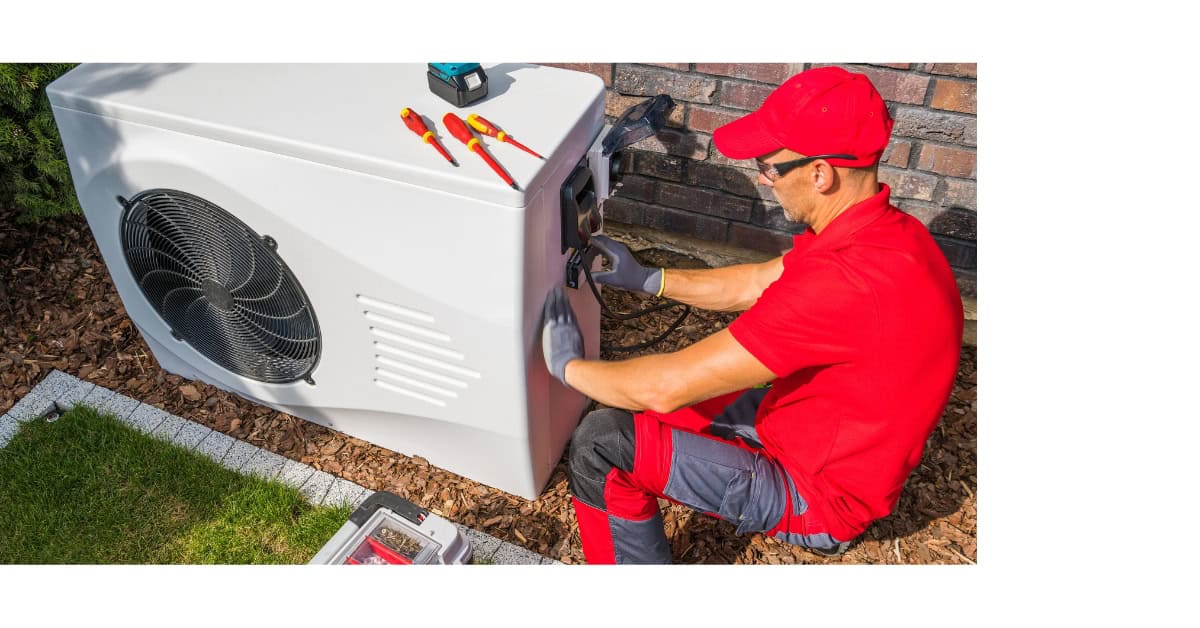
Repair, Not Replace: Maximizing The Life Of Your Existing System
When a system fails, it is easy to assume replacement is the only answer. In many emergencies, a focused repair is enough to restore comfort and keep your current system going.
Common repair centered solutions include:
- Replacing failed capacitors, contactors, or relays.
- Installing a new blower motor or condenser fan motor.
- Repairing low voltage wiring or cleaning corroded connections.
- Clearing clogged drain lines and float switches that shut equipment down.
- Sealing minor refrigerant leaks and recharging to proper levels.
A skilled technician looks at the whole system, not just the broken part. When someone explains whether the equipment still has healthy years ahead or is nearing the end of its expected life, it becomes easier to plan for a future upgrade on your own timeline instead of during a crisis.
Preventing The Next Emergency With Planned Maintenance
Every surprise breakdown has a history of smaller issues that were easy to miss. A simple maintenance routine greatly reduces the number of times you face a true emergency.
For both AC and heating equipment, key maintenance steps include:
- Changing or cleaning filters regularly based on use and indoor air quality.
- Cleaning indoor and outdoor coils so air moves freely.
- Checking electrical connections, capacitors, and contactors for early wear.
- Inspecting and clearing condensate drains to prevent leaks.
- Verifying refrigerant levels and checking for signs of leaks.
- Testing safety switches and controls to confirm proper operation.
Different roles benefit from different approaches. Homeowners can set reminders to change filters every one to three months, schedule seasonal tune ups before peak summer and winter, and keep outdoor units clear of leaves and debris.
Property managers can standardize filter sizes and schedules across units, keep basic logs of visits and repairs, and group service visits by building. Small businesses can plan visits during slower hours, flag recurring hot or cold spots, and protect critical areas such as coolers or data rooms by reporting small changes quickly.
Local Emergency AC Repair In The Raleigh Durham Area
Local technicians understand the exact mix of heat, humidity, pollen, and building styles that shape HVAC needs in the Triangle. When an AC quits on a humid July afternoon in Raleigh or Cary, nearby help is far more practical than a distant call center.
Working with a Triangle based HVAC team offers clear benefits:
- Faster response to communities like Raleigh, Cary, Clayton, Willow Spring, Garner, and Holly Springs.
- Familiarity with common attic and crawl space systems in local homes.
- Experience with older panels, frequent power blips, and other regional electrical quirks.
- Insight into how North Carolina humidity and pollen attack filters and coils.
This local knowledge means a technician often arrives with a strong idea of what to look for based on your neighborhood, home age, or business type. That familiarity shortens troubleshooting time and gets your system back in service more efficiently.
Choosing A Reliable Emergency HVAC Partner
When the house feels hot and sticky or your lobby is warming up by the minute, the urge to call the first listing online is strong. Taking a moment to check a few details can protect you from incomplete or poor quality work.
Look for an emergency HVAC partner that offers:
- True 24 hour support for nights, weekends, and holidays.
- Licensed and insured technicians experienced with both residential and commercial repair.
- Clear, transparent pricing that is explained before work begins.
- Marked vehicles and uniformed technicians who present identification at the door.
- A solid reputation in local communities, supported by customer feedback.
Ask simple, direct questions such as whether they handle both AC and heat repair, whether they have worked with systems like yours in small offices or multi unit properties, and how their emergency service fee structure works. The right partner talks with you like a neighbor, explains options clearly, and helps you feel confident in every repair decision.
Support For Property Managers And Small Business Owners
If you manage multiple units or run a business, an HVAC breakdown touches far more than indoor temperature. It affects lease renewals, reviews, staff satisfaction, product quality, and daily operations.
A consistent HVAC partner can help you:
- Build a simple process for tenants or staff to report issues early.
- Track equipment age, repair history, and repeating trouble spots.
- Plan maintenance visits around move ins, events, or peak business hours.
- Set basic standards for filter changes, thermostat settings, and access to equipment rooms.
For portfolios spread across Raleigh, Cary, Clayton, Willow Spring, and nearby towns, it helps to keep unit lists with model numbers and locations ready for visiting technicians. Identifying units that serve critical spaces, such as medical storage or server rooms, allows the HVAC team to prioritize those areas during both maintenance and emergency calls.
Staying Ready For Your Next HVAC Emergency
When your AC or heat fails in the middle of a North Carolina extreme, clear information matters as much as fast service. As a homeowner, you need practical steps that protect your comfort and your budget, not guesswork and vague promises.
Advantage Air Services focuses on fast, informed repair solutions that help you understand what went wrong and what it takes to fix it. With that clarity, you stay in control of your home, your time, and your costs while experienced technicians handle the technical side of the job.
Support For Homeowners Who Need Fast, Affordable Repairs
A sudden loss of cooling or heating can make your space feel unlivable in a short time. Families in the Triangle need straightforward, affordable repair options that match the age and condition of their systems.
Advantage Air Services brings more than 30 years of local experience to every residential visit. Technicians explain what they see, share the repair options, and help you weigh short term fixes against long term planning so you can choose what feels right for your home.
Reliable Help For Property Managers Across The Triangle
Property managers juggle many moving parts, and HVAC issues often land at the top of the list. Tenants expect comfort, and you need a repair partner that shows up, communicates clearly, and respects your processes.
Advantage Air Services works with property managers across Raleigh, Cary, Clayton, Willow Spring, and nearby areas to reduce surprise breakdowns and protect buildings from damage caused by leaks or repeated failures. With clear communication and flat rate pricing, it becomes easier to forecast costs and set expectations with owners and tenants.
Dependable Repairs For Small Businesses And Light Commercial Spaces
For small businesses, HVAC directly affects sales, staff comfort, and how customers feel the moment they walk through the door. A failed unit in an office, shop, or restaurant can disrupt operations and lead to lost revenue very quickly.
Advantage Air Services understands how important a stable indoor environment is to business owners. Repair strategies focus on restoring stable temperatures as quickly as possible, with scheduling that respects peak hours and solutions that consider your budget and long term plans.
Your Triangle Partner For AC And Heat Repair
The Triangle faces hot, humid summers, chilly winter spells, and rapid swings in between. Systems in this region work hard, and you need an HVAC team that understands how local weather, local construction, and local utility conditions affect that equipment.
Advantage Air Services is locally owned and has served residential and commercial clients across the Triangle for more than three decades. That experience, combined with a focus on fast response and flat rate pricing, means emergency AC repair visits are handled with both technical skill and respect for your time and finances.
Call To Schedule Emergency Service Or Preventive Repair
When your AC or heat fails, you do not have to wait and hope things improve on their own.
A local, experienced HVAC team is available to help diagnose the problem, repair your existing system, and talk through ways to prevent the next emergency.
For fast emergency AC repair and support in the Triangle, call or text Advantage Air Services at (919) 639 2661 and keep your spaces warm, safe, and ready for whatever the next cold front brings.