

In the heat pump vs furnace decision, the short answer for most North Carolina homes is a heat pump. Our mild winters play to a heat pump’s biggest strength, energy-efficient heating and cooling from a single system, while a gas furnace makes more sense in very cold climates or where natural gas is cheap and already piped to the home. The right choice comes down to your climate, your fuel options, your budget, and how you weigh upfront cost against long-term energy savings.
Here is the quick comparison before we dig in:
- Heat pump: one system for heating and cooling, very efficient in mild climates, runs on electricity, ideal for most NC homes
- Furnace: powerful heat in extreme cold, usually gas, needs a separate AC for summer, strong where gas is cheap
- Climate: The Raleigh area’s mild winters favor a heat pump
- Cost: furnaces often cost less upfront; heat pumps often cost less to run here
- Best of both: a dual-fuel system pairs a heat pump with a furnace for backup
Below, our team at Advantage Air Services breaks down how each system works, how they compare on cost, efficiency, comfort, and lifespan, and which tends to win for homes across Raleigh, Cary, and the rest of Wake and Johnston Counties.
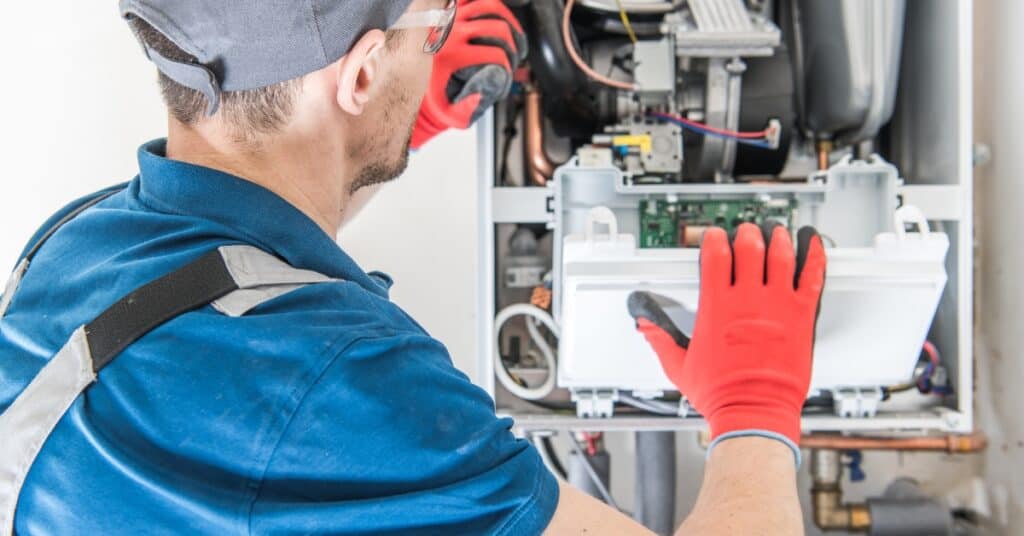
How a Heat Pump Works
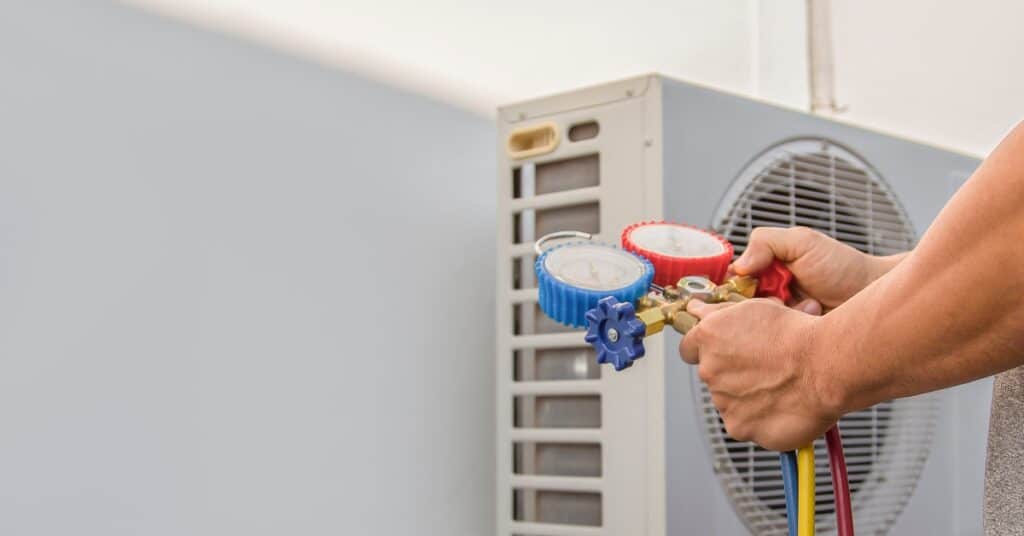
A heat pump does not burn fuel to create heat. Instead, it moves heat from one place to another using refrigerant, the same basic process your refrigerator uses. In winter, it pulls warmth from the outdoor air and moves it inside; in summer it reverses and pulls heat out of your home, acting as your air conditioner. That two-in-one design is why a single heat pump can keep you comfortable all year.
Because it moves heat rather than generating it, a heat pump can deliver far more energy as heat than it consumes as electricity. In a mild climate like central North Carolina, that efficiency translates directly into lower energy bills for much of the heating season.
How a Furnace Works
A furnace creates heat by burning fuel, most commonly natural gas, or by using electric resistance. It heats air and a blower pushes that warm air through your ducts. A gas furnace produces very hot air quickly and keeps a home warm even when temperatures drop well below freezing, which is why furnaces dominate in cold northern climates.
The trade-off is that a furnace only heats. To stay cool in summer, you still need a separate air conditioner. So a furnace home is really a two-system home: a furnace for winter and an AC for summer, each with its own equipment and lifespan.
Heat Pump vs Furnace: The Head-to-Head Comparison
Heating Performance
A furnace wins on raw heating power in extreme cold. It blasts hot air and does not lose efficiency when the temperature plunges. A heat pump heats comfortably and efficiently in mild and moderate cold, which covers the vast majority of North Carolina winter days, but it works harder as the temperature approaches freezing. Modern cold-climate heat pumps have narrowed this gap dramatically, and for our region a quality heat pump handles winter with ease.
Cooling
This one is simple. A heat pump cools your home in summer as part of the same system. A furnace does not cool at all, so you will own and maintain a separate air conditioner alongside it. If you are weighing total equipment, a heat pump covers both jobs.
Energy Efficiency and Operating Cost
In a mild climate, a heat pump is usually the more efficient and cheaper system to run, because moving heat takes less energy than burning fuel to make it. A gas furnace can be cheaper to operate in places with very low natural gas prices and brutal winters, where the heat pump would lean on backup heat often. For most Raleigh-area homes, the heat pump’s year-round efficiency is the bigger factor.
Upfront Cost
A furnace plus a separate air conditioner can have a lower installed cost than a comparable heat pump system in some cases, though prices vary widely by home, ductwork, and equipment. A heat pump is a single piece of outdoor equipment doing two jobs, which can simplify installation. We give flat-rate, upfront pricing so you can compare the real numbers for your home without guesswork.
Lifespan and Maintenance
A gas furnace often lasts 15 to 20 years, partly because it only runs in winter. A heat pump typically lasts around 10 to 15 years because it works year-round, doing both heating and cooling duty. Both systems last longer and run more efficiently with regular maintenance, and a furnace home also has the AC’s lifespan to plan for. When you compare, weigh the heat pump’s single-system simplicity against the furnace-plus-AC pair.
Safety
Because a heat pump does not burn fuel, there is no combustion and no risk of a carbon monoxide leak from the unit itself. A gas furnace is very safe when properly installed and maintained, but it does involve combustion, which is why annual inspections and a working carbon monoxide detector matter. Our heating repair team keeps both types running safely.
Which One Wins in North Carolina?
For most homes in Raleigh, Cary, Garner, Apex, and the surrounding area, a heat pump is the natural fit. Our winters are mild enough that a heat pump rarely has to fight extreme cold, so you get efficient heating all season plus air conditioning in our hot, humid summers, all from one system. That is a big reason heat pumps are so common across central North Carolina.
A furnace still makes sense for some homes, especially if you already have natural gas service, prefer the intense heat a furnace delivers on the coldest nights, or are replacing only the heating side of an existing setup. The best way to know is to look at your home, your ductwork, your fuel access, and your comfort preferences together.
The Best of Both: Dual-Fuel Systems
You do not always have to choose. A dual-fuel, or hybrid, system pairs an electric heat pump with a gas furnace. The heat pump handles heating efficiently during mild weather, and on the coldest days the system automatically switches to the gas furnace for maximum warmth. You get the heat pump’s year-round efficiency most of the time and the furnace’s brute force when you truly need it.
Dual-fuel systems cost more upfront because you are installing two heat sources, but for the right home, they deliver the lowest operating costs and the most consistent comfort. If you are torn between the two, this is worth asking us about during a system consultation through our HVAC services.
How to Choose the Right System
When we help a family decide, we look at a few things together: your climate and how cold your home actually gets, whether natural gas is already available, your budget for upfront versus monthly costs, your ductwork and electrical setup, and how long you plan to stay in the home. There is no single right answer for everyone, only the right answer for your house. A proper load calculation and an honest conversation about your priorities beat any rule of thumb.
At Advantage Air Services, we have helped Wake and Johnston County homeowners make this call since 1999. Our NATE-certified technicians give you straight answers and flat-rate pricing, and we do not leave until you are satisfied. Whether you choose a heat pump, a furnace, or a dual-fuel system, we install it right the first time.
Frequently Asked Questions
Is a heat pump or furnace better for North Carolina?
For most North Carolina homes, a heat pump is the better fit. Our mild winters let a heat pump heat efficiently for most of the season while also serving as your air conditioner in summer, all from one system. A furnace can still make sense if you have low-cost natural gas or want maximum heat on the coldest nights.
Is a heat pump cheaper to run than a furnace?
In a mild climate like central North Carolina, a heat pump is usually cheaper to operate because moving heat takes less energy than burning fuel to create it. A gas furnace can be cheaper to run where natural gas is very inexpensive and winters are severe, since a heat pump would rely on backup heat more often.
Does a heat pump work in cold weather?
Yes. A heat pump heats efficiently in mild and moderate cold, which covers nearly all North Carolina winter days, and modern cold-climate models perform well even near and below freezing. In areas with extreme, prolonged cold, a dual-fuel system that adds a gas furnace for backup is a strong option.
Do I still need an air conditioner with a furnace?
Yes. A furnace only heats, so a furnace home needs a separate air conditioner for summer. A heat pump, by contrast, both heats and cools, which is one reason many homeowners choose it as an all-in-one system.
How long do heat pumps and furnaces last?
A gas furnace often lasts 15 to 20 years, while a heat pump typically lasts around 10 to 15 years because it runs year-round for both heating and cooling. Regular maintenance extends the life and efficiency of either system, and a furnace home should also plan for the air conditioner’s lifespan.
What is a dual-fuel system?
A dual-fuel, or hybrid, system pairs an electric heat pump with a gas furnace. The heat pump handles efficient heating in mild weather, and the furnace takes over on the coldest days for maximum warmth. It offers low operating costs and consistent comfort, at a higher upfront cost.
Let Us Help You Choose
Picking between a heat pump and a furnace is a big decision, and you do not have to make it alone. At Advantage Air Services, we bring fast, reliable service and honest, flat-rate pricing to homeowners across Raleigh, Cary, Garner, Apex, Holly Springs, Fuquay-Varina, Clayton, and the rest of Wake and Johnston Counties.
Ready to talk it through? Call or text us at (919) 639-2661 to schedule a consultation. Ask about $25 off any service repair, plus our senior and military discounts, and let us help you choose the system that keeps your home comfortable for years to come.