
To lower humidity in house air, run your cooling system on the AUTO fan setting. Hold indoor relative humidity between 30 and 50 percent. Vent every moisture source outdoors. Add dehumidification when your system alone cannot keep up.
Those four moves fix most sticky homes across Willow Spring, Cary, and Garner.
Humidity is usually what makes a North Carolina summer feel awful indoors. Your thermostat can read 72 degrees while the air still feels heavy and damp.
We see this in homes across Wake and Johnston Counties every single week. The fix is rarely complicated once you find which moisture source is winning.
Do These Five Things Today
- Buy a $10 hygrometer and check the actual relative humidity in your worst room.
- Set your thermostat fan to AUTO instead of ON.
- Run bathroom and kitchen exhaust fans for 20 minutes after showers and cooking.
- Replace a dirty air filter and clear anything blocking your return vents.
- Walk outside and confirm the condensate drain line is dripping while the system runs.
What Humidity Level Should Your Home Actually Hold?
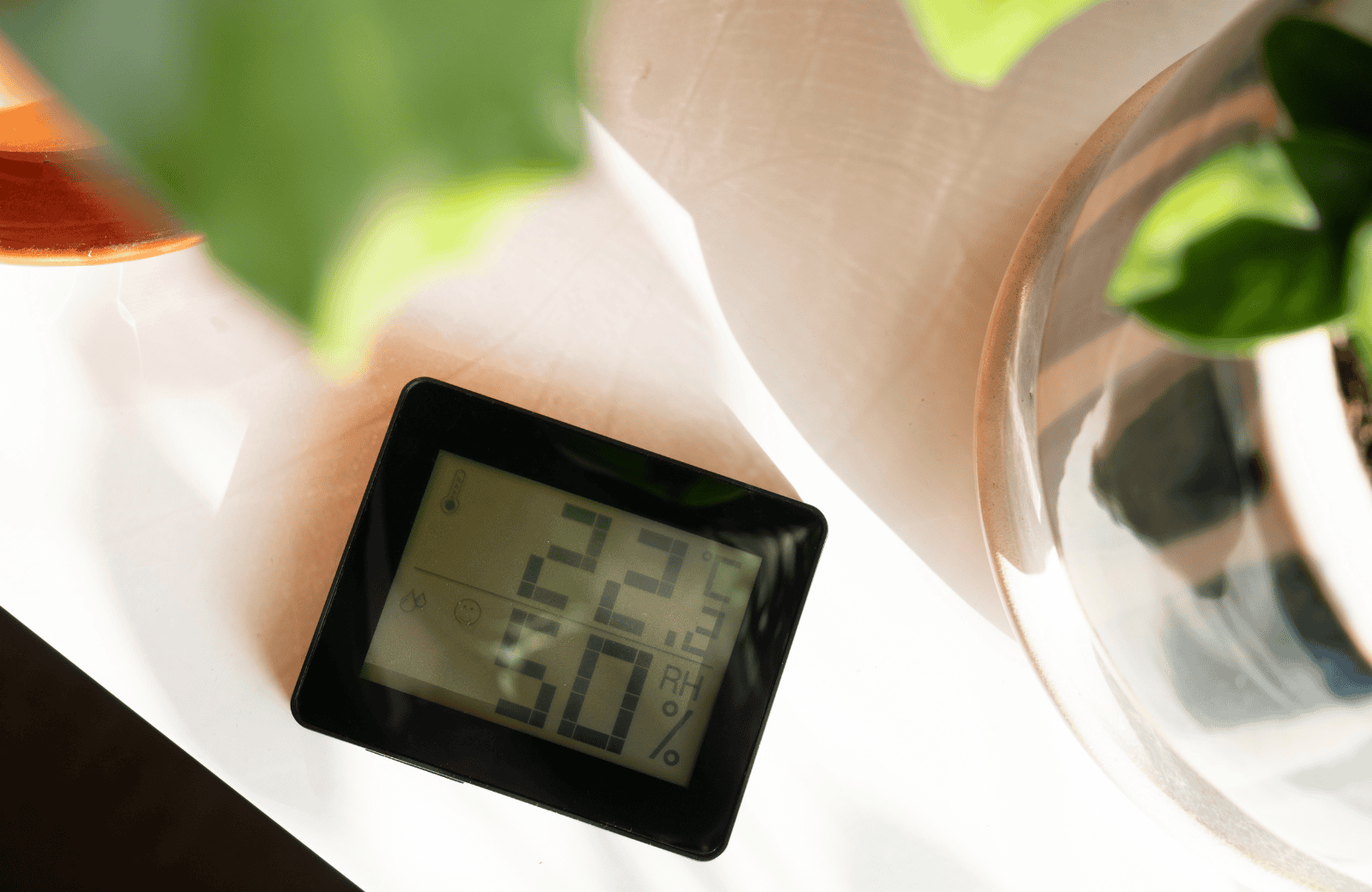
Your home should sit between 30 and 50 percent relative humidity, and it should never stay above 60 percent. The EPA sets that range in its guide to mold, moisture, and your home. Indoor humidity belongs below 60 percent, ideally between 30 and 50 percent.
ENERGY STAR lands on the same range for a comfortable, healthy building. Anything above it starts to invite mold growth, per the EPA guidance on dehumidifiers and relative humidity.
The number matters more than most homeowners expect. Air at 75 degrees and 45 percent humidity feels cool and dry. Air at 72 degrees and 65 percent feels clammy.
How Different Humidity Levels Feel Inside
| Relative Humidity | How the Air Feels | What Tends to Happen |
|---|---|---|
| Below 30 percent | Dry, static, scratchy | Dry skin, cracked wood trim, static shocks |
| 30 to 50 percent | Comfortable and balanced | The target range for comfort and health |
| 50 to 60 percent | Slightly heavy | Musty smells start in closets and crawl spaces |
| 60 to 70 percent | Sticky and clammy | Condensation on windows, mold risk climbs |
| Above 70 percent | Swampy | Visible mold, warped floors, dust mite growth |
Buy a hygrometer before you spend a dollar on equipment. The EPA notes these meters run roughly $10 to $50 at most hardware stores. That makes them the cheapest diagnostic tool you own.
Place one in the room that bothers you most. Then place a second one in a room that feels fine. The difference between them tells you whether the problem is the whole home or one room.
Sticky rooms that never dry out usually point to an air conditioning problem, not a weather problem. Call or text us at (919) 639-2661, or look at our AC repair service options. We will find the real cause.
What Causes High Humidity in a House?
High indoor humidity comes from moisture your home generates faster than it removes. Cooking, showering, laundry, and even breathing all add water vapor. Carolina outdoor air adds plenty more every time a door opens.
Everyday Habits That Add Moisture
A single hot shower can push a bathroom above 80 percent humidity in minutes. Boiling pasta, running a dishwasher, and drying clothes indoors all do the same thing on a smaller scale.
- Long showers with the exhaust fan off
- Cooking without running the range hood
- Drying laundry on indoor racks
- A clothes dryer venting into the garage instead of outside
- Large aquariums and lots of houseplants
Building Problems That Trap Water
Some homes stay damp because water keeps finding a way in. A crawl space with bare dirt can release gallons of moisture into your floor system every day.
- Gutters that dump water beside the foundation
- Soil that slopes toward the house instead of away
- An unsealed or unvented crawl space
- Plumbing leaks under sinks or behind walls
- Missing insulation on cold water pipes
The EPA recommends drying any wet material within 24 to 48 hours. Mold usually will not grow if you beat that window. That advice applies to a small sink leak just as much as a burst pipe.
Weather Patterns Around Wake and Johnston Counties
Our summers pair high heat with high dew points. Outdoor air often carries more water than indoor air can hold. Every time you open a door on a July afternoon, you invite that moisture inside.
Shoulder seasons cause their own trouble. On a mild 70-degree day in May, your air conditioner barely runs, which means it barely dehumidifies.
Is Your Air Conditioner Supposed to Remove Humidity?
Yes, and it does most of the work in a healthy home. Warm indoor air passes over a cold evaporator coil. Water condenses out of it and drains away through the condensate line.
When a home feels damp with the system running, something is interfering with that process. These are the causes we find most often on service calls.
The Fan Is Set to ON Instead of AUTO
This one fix solves more humidity complaints than any other. With the fan on ON, the blower runs continuously. Water sitting on the coil then evaporates and blows right back into your rooms.
Switch to AUTO. The blower then stops when the compressor stops, and the condensed water drains outside where it belongs.
The System Is Too Large for the Home
An oversized unit cools fast and hits the thermostat set point. It shuts off before wringing out much moisture. The result is a house that feels cold and clammy at the same time.
You can spot this from the couch. Cycles shorter than about ten minutes usually mean the equipment is oversized or badly matched to the ductwork.
Airflow Is Restricted
A clogged filter, a crushed flex duct, or blocked return grilles all starve the coil. Low airflow can drop coil temperature far enough to form ice, and a frozen coil removes almost no humidity.
- Change filters on schedule, not when you remember
- Keep furniture and rugs off return vents
- Keep supply registers open in unused rooms
- Have the indoor coil cleaned when airflow drops
The Condensate Drain Is Clogged
Algae and dust build a plug inside the drain line. Water that should leave your home backs up into the pan. Some of it evaporates straight back into your air.
A drain that never drips on a hot day is telling you something. That is a five-minute check worth making today.
Refrigerant Is Low
Low charge means the coil cannot pull heat and moisture out of the air properly. Refrigerant does not get used up, so a low charge always means a leak somewhere in the system.
This is not a homeowner repair. We find the leak, fix it, and recharge to the manufacturer’s specification.
How Do You Lower Humidity in House Air Without Buying Equipment?
Start with the free fixes, because several of them drop humidity by five to ten points on their own. Work through this list before you shop for anything.
Vent Moisture at the Source
Every moisture-producing appliance should exhaust to the outdoors. That means the clothes dryer, the range hood, and both bathroom fans.
- Run the bath fan during the shower and for 20 minutes after
- Run the range hood any time you boil or simmer
- Confirm the dryer vent actually terminates outside
- Never dry clothes on an indoor rack in summer
Fix the Water Around Your Foundation
ENERGY STAR points to drainage as one of the simplest humidity fixes available. Extend downspouts away from the house, keep gutters clear, and grade soil so water runs away from the foundation.
Also skip the heavy watering right against the house. Foundation plantings that stay soggy keep the crawl space soggy too.
Use Your Thermostat Correctly
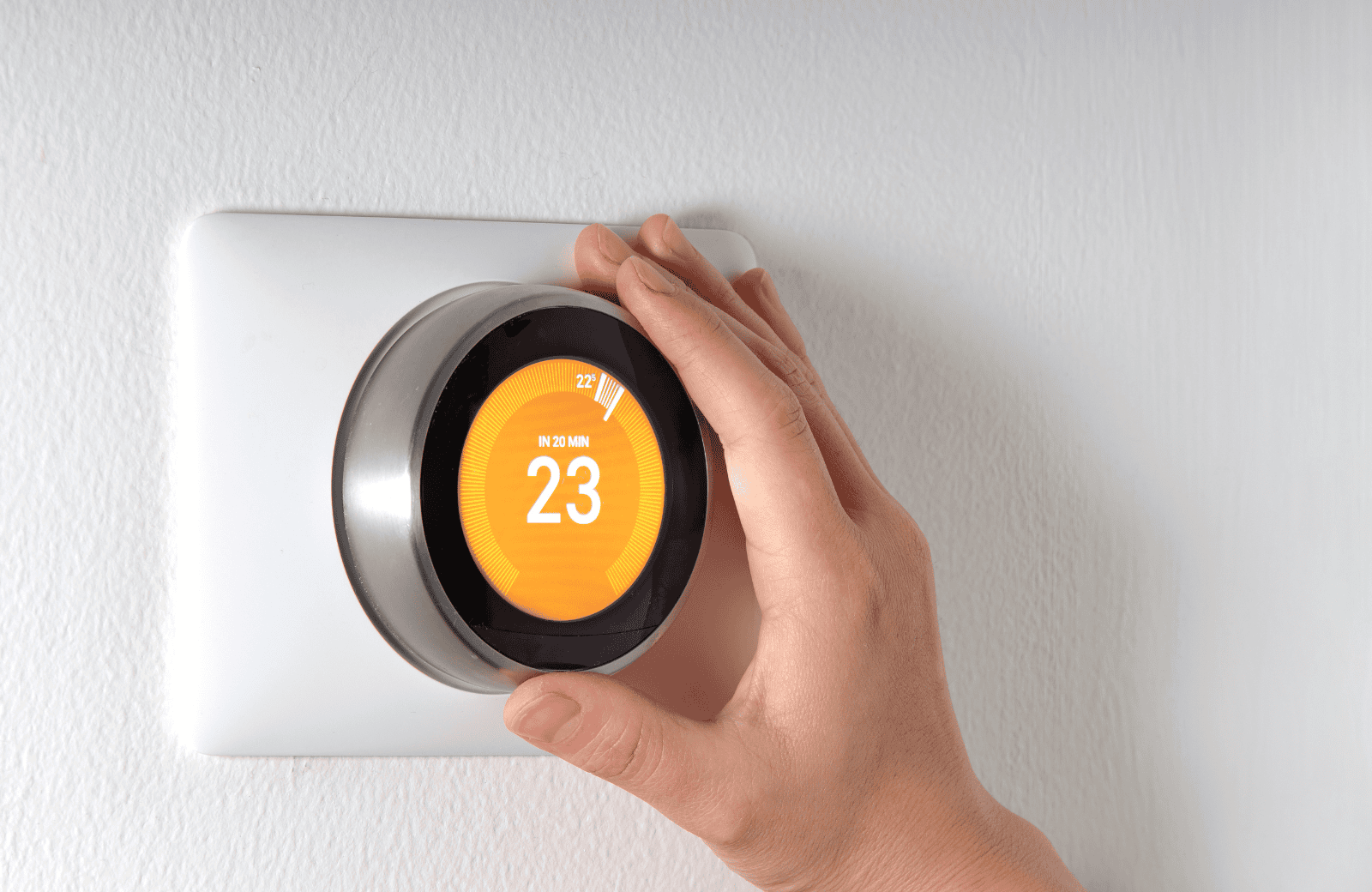
Do not raise the temperature to save money on humid days, because a system that runs less also dries less. A steady setting in the mid 70s usually feels better than a cooler setting with the fan on ON.
Smart thermostats paired with a variable speed system can hold both temperature and humidity targets. We can tell you whether your equipment supports that.
Seal the Envelope
Humid outdoor air sneaks in through gaps you cannot see. Weatherstripping, caulk around windows, and sealed duct joints keep that air outside.
Duct sealing matters most. Leaky return ducts in a hot attic or crawl space pull damp air directly into your system.
When Do You Need a Dehumidifier Instead?
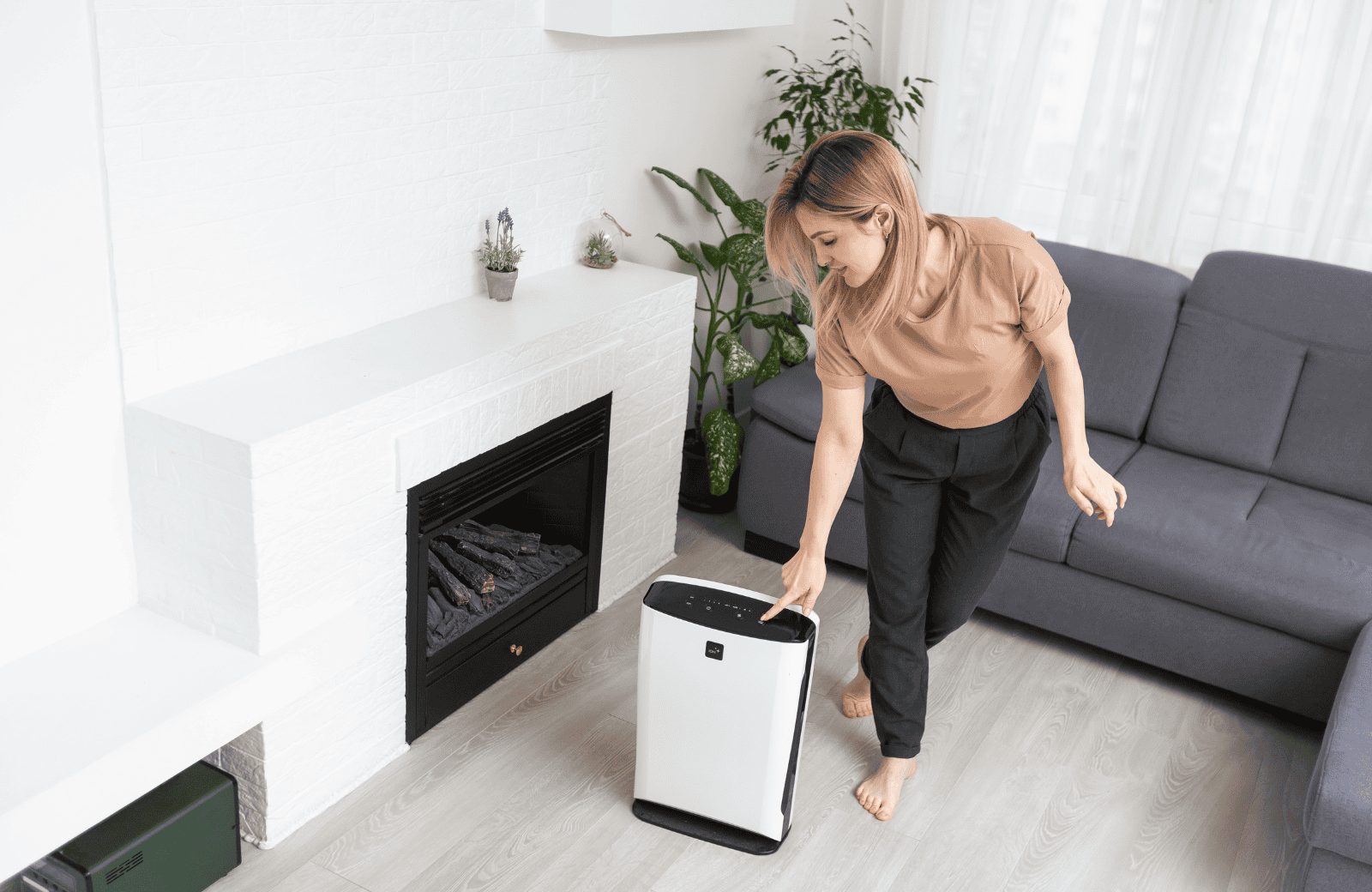
You need dedicated dehumidification when your home stays above 55 to 60 percent humidity. That applies even after the free fixes and a healthy cooling system. ENERGY STAR flags relatively well-sealed homes with central air as good candidates. That applies when readings stay above 55 percent throughout the house.
The choice comes down to how much of the house has the problem.
Portable Versus Whole Home Dehumidifiers
| Feature | Portable Unit | Whole Home Unit |
|---|---|---|
| Coverage | One room or basement | Every room served by your ductwork |
| Draining | Bucket you empty or a hose | Plumbed to a drain or condensate pump |
| Installation | Plug it in | Installed into the duct system by a technician |
| Noise | Audible in the room | Located at the air handler, mostly out of earshot |
| Upfront cost | Low | Higher |
| Best for | A single damp room | A whole house that stays above 55 percent |
ENERGY STAR certified dehumidifiers pull the same moisture as a comparable conventional model while using about 20 percent less energy. Every certified model also includes a built-in humidistat so it cycles automatically instead of running around the clock.
Sizing Matters More Than Brand
An undersized dehumidifier runs constantly and never wins. An oversized one short-cycles and wastes energy.
ENERGY STAR sizing guidance ties capacity to both square footage and how damp the space already feels. For a whole home unit, we size it against your actual load rather than a rule of thumb.
How Long Does It Take to Lower Humidity in a House?
Most homes drop into a comfortable range within a few hours to a few days. The cause decides the pace. Structural moisture takes longer than a fan setting.
A Realistic Timeline
| Fix | Time to Feel a Difference | Time to Reach 30 to 50 Percent |
|---|---|---|
| Switching the fan from ON to AUTO | Same day | 1 to 2 days |
| Replacing a clogged filter | Same day | 1 to 3 days |
| Clearing a blocked condensate drain | Within hours | 1 to 2 days |
| Adding a portable dehumidifier | Within hours | 1 to 3 days per room |
| Installing a whole home dehumidifier | Same day | 2 to 5 days |
| Encapsulating a crawl space | 1 week | 2 to 4 weeks |
| Repairing a refrigerant leak | Same day | 1 to 3 days |
Track the change with your hygrometer rather than by feel. A five point drop is real progress even when the room still feels warm.
What Happens if You Ignore High Indoor Humidity?
Damp air damages your home and your comfort at the same time. The EPA is direct about this. Moisture control is the key to mold control, and mold destroys whatever it grows on.
Health Effects You May Notice First
Mold produces allergens and irritants that trigger sneezing, runny noses, red eyes, and skin rashes in sensitive people. It can also set off asthma attacks in people who are allergic to it.
Dust mites thrive in damp air too. Lower humidity discourages both mites and common household pests.
Damage to the House Itself
- Cupped or buckled hardwood flooring
- Peeling paint and swollen trim
- Musty odors in closets, cabinets, and crawl spaces
- Condensation staining around windows
- Rust on ductwork and equipment
Higher Energy Bills
Damp air feels warmer, so people set the thermostat lower and the system runs longer. Fixing humidity often lets you raise the temperature a degree or two and still feel better.
Frequently Asked Questions
Does running the AC on fan only lower humidity?
No, it usually raises it. Fan-only mode moves air across a coil that is not cold. Water sitting on that coil then evaporates back into your rooms. Use the AUTO setting so the blower runs only while the compressor is actively cooling and draining moisture away.
Why is my house so humid even with the AC running?
The most common causes are a fan set to ON or an oversized system. Restricted airflow, a clogged condensate drain, and low refrigerant also cause it. A quick check of the filter and the drain line rules out two of those in about ten minutes. If humidity stays above 60 percent after that, the equipment needs a professional look.
What is the ideal indoor humidity in summer?
Aim for 30 to 50 percent relative humidity and stay under 60 percent. In our climate, most comfortable homes land between 45 and 50 percent during July and August. Going much drier than 30 percent creates its own problems with static, dry skin, and shrinking wood trim.
Will a dehumidifier make my house cooler?
It will make the house feel cooler without changing the temperature much. Drier air lets your body shed heat through evaporation more easily. So 76 degrees at 45 percent humidity beats 74 degrees at 65 percent. The dehumidifier itself gives off a little heat. The room reading may tick up slightly even as comfort improves.
Should I close the windows when it is humid outside?
Yes, keep them closed any time outdoor humidity is higher than indoor humidity. That covers most Carolina summer days and nights. Opening windows on a muggy evening undoes hours of dehumidification. Save the fresh air for dry spring and fall days when the dew point drops.
Can a crawl space really change the humidity upstairs?
It can, and it often does. Moisture rises from a damp crawl space through the floor system into your living space. That is why some homes stay sticky no matter how the cooling system runs. Sealing the ground, correcting drainage, and controlling that space usually drops upstairs humidity noticeably.
How We Help You Get Your Humidity Under Control
You should not have to guess which of these causes is yours. We measure, test, and tell you plainly what we find.
We Start With a Real Diagnosis
Our NATE-certified technicians check airflow, coil temperature, refrigerant charge, drain function, and actual humidity readings around your home. That takes the guesswork out of the conversation.
We bring more than 30 years of experience in Wake and Johnston Counties. We know how local homes and crawl spaces behave. That context matters when the numbers are borderline.
We Fix What Is Broken Before Selling You Anything
Many humidity problems end with a filter, a drain clearing, a duct repair, or a charge correction. We would rather repair your system than sell you equipment you do not need.
When a home truly needs dehumidification, we size it against your actual load. You can read more about what we handle on our AC repair and cooling service page.
You Always Know the Price First
Flat-rate pricing means the number we quote is the number you pay. No hidden fees, no surprise line items, and no pressure.
We also offer senior and military discounts, and we back our work with a 100 percent satisfaction guarantee.
Schedule Your Humidity Check
Ready to stop fighting sticky air? Call or text us at (919) 639-2661, and we will get a technician out to you. You can also schedule your service online. Ask about $25.00 off any service repair, not valid on the trip or diagnostic fee. Let us make your home comfortable again.