
When your AC or heat stops working, everything in your day feels harder. This HVAC troubleshooting guide gives you simple, safe steps you can try before you pick up the phone for a repair call.
Maybe your home in the Triangle feels warm even though the AC runs nonstop, or your office feels chilly despite the thermostat setting. In moments like that, you want clear answers fast, not technical jargon.
In this guide, you walk through practical checks that make sense for real homes, small businesses, and managed properties across the Triangle. You see what you can confidently handle on your own and where it makes more sense to bring in a repair professional.
You learn how to spot thermostat issues, airflow problems, strange noises, and warning signs that suggest your system needs expert attention. The goal is to help you protect your comfort, avoid damage to your equipment, and feel more in control when your AC or heat acts up.
Step By Step HVAC Troubleshooting Guide For Homes And Small Businesses
Start With Safety And Common Sense Checks
Before you touch anything, think about safety first. A few quick habits protect both you and your equipment.
If you plan to take a panel off or reach into the unit, always shut off power at the breaker. For a quick visual check or filter change, you can usually leave the system on and just stay clear of wiring.
Here are simple, safe things you can do right away:
- Look and listen for anything that feels off
- Smell for unusual odors around indoor and outdoor units
- Check for water around the indoor unit or in the drain pan
- Notice new rattling, banging, or squealing sounds
- Confirm no one has stacked boxes, furniture, or supplies around vents or the AC unit
If you see loose wires, heavy ice on lines, or scorched marks on panels, stop and leave the system off. At that point, it is time for a trained technician, not a do it yourself fix.
Thermostat Issues: The Simplest Fix For Many HVAC Problems
Thermostats cause more problems than most people expect. The good news is that many of those problems are easy for you to spot.
Start with the basics:
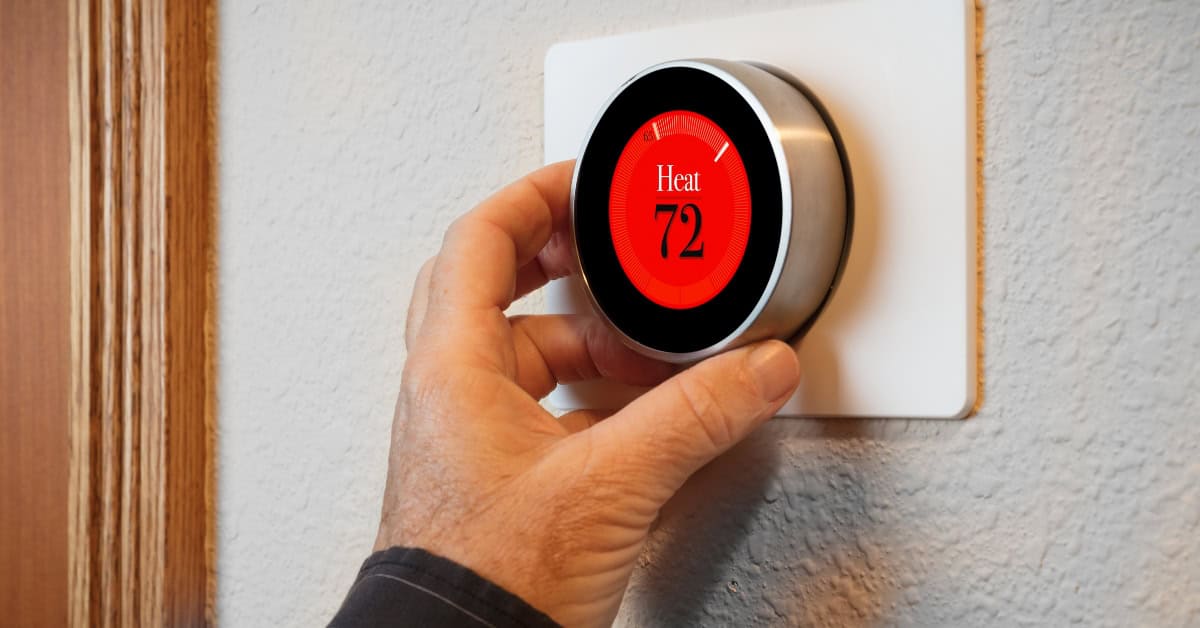
- Make sure the display is on and easy to read
- Change the batteries if the screen is blank or dim
- Confirm the system mode is set correctly to Cool or Heat
- Check the fan setting and try Auto if the fan runs nonstop
In a busy office or rental property, someone may change settings without telling anyone. A simple bump from a cleaning crew or a curious child can move the temperature several degrees.
If your system keeps shutting off, cycles quickly, or refuses to respond to changes on the thermostat, that points to a deeper issue. At that stage, the problem can involve wiring, a failed thermostat, or the control board, and it makes sense to let a professional diagnose it.
AC Not Cooling: Basic Checks Before You Call
When the AC runs but the space still feels warm, frustration builds fast. A few quick checks can help you sort out simple issues from real repair problems.
First, figure out what the system actually does:
- Air coming out of the vents that feels warm or barely cool
- An indoor fan that runs while the outdoor unit is silent
- No air at all from the vents
One of the easiest checks sits right in front of you, the filter. That small part has a huge impact on how well your system cools.
Try this simple test for your filter:
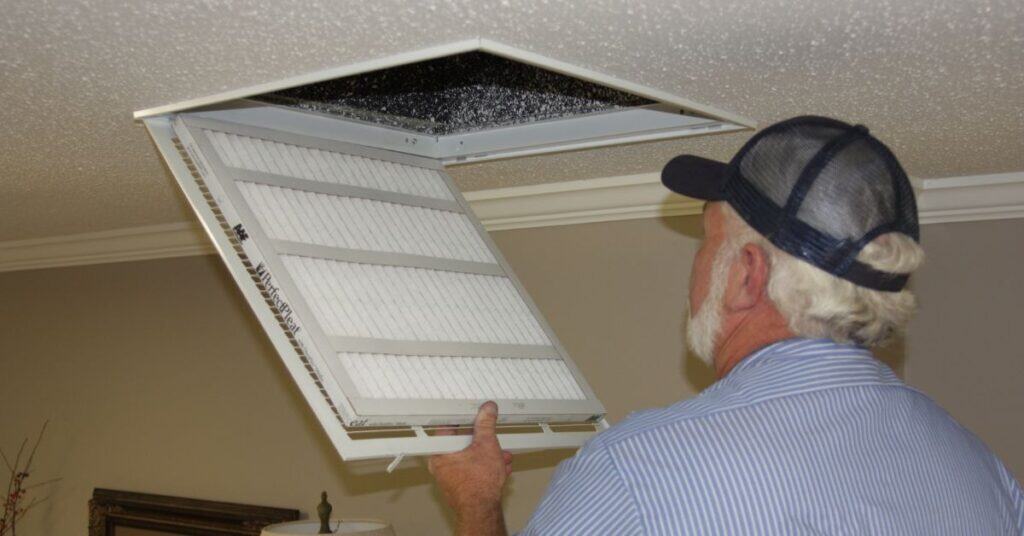
- Slide the filter out and hold it up to the light
- If you can barely see light through it, it needs a change
- In homes with pets or businesses with high foot traffic, filters often need replacement more often
A clogged filter chokes airflow and can make your AC freeze up or overheat. That leads to poor cooling and higher energy use across your home or building.
Next, walk around and check your vents:
- Make sure supply vents are open, not closed or covered
- Move furniture, rugs, or boxes that sit directly on top of returns
- In offices, check that file cabinets or shelving did not block vents over time
Then step outside and look at the outdoor unit:
- Clear leaves, branches, and grass clippings from the top and sides
- Trim bushes or plants at least two feet away
- Make sure no one stacked bikes, bins, or tools against the cabinet
If you see thick ice on the copper lines, hear grinding or screeching, or notice the breaker tripping more than once, turn the system off. Those signs point to a problem that needs a trained HVAC technician to prevent further damage.
Heater Or Furnace Not Heating: Simple Troubleshooting Steps
When the temperature drops around Raleigh or Cary and your heat does not kick on, it feels urgent. You still have a few quick checks that often solve simple problems.
Start at the thermostat:
- Confirm the system is set to Heat
- Set the temperature at least three to five degrees above the current room temperature
- Give the system a few minutes to respond
If nothing happens, check the furnace or air handler switch. Many systems have a light switch near the unit that controls power, and it can get flipped off by accident during cleaning or storage.
Then look at your breaker panel:
- Find the breaker labeled Furnace, Air Handler, or HVAC
- If it sits in the middle, turn it fully off, then back on once
- If it trips again right away, leave it off and call a professional
For gas furnaces, you can do a light visual check without touching gas lines. Some systems have a small viewing window where you may see a status light.
You can:
- Look for blinking lights or error codes on the panel
- Listen for repeated clicking without the burner lighting
If you ever smell gas, a strong burning odor, or see smoke, shut the system down and leave the area. That situation needs urgent attention from professionals.
For heat pumps, the system may run longer on very cold days. You might see aux heat or emergency heat on the thermostat, which tells you backup heat turns on to support the heat pump.
If the system blows only cool air in heat mode, or cycles quickly without warming the space, that calls for expert troubleshooting. Keeping it running in that state can increase wear and tear.
Weak Airflow Or Hot And Cold Spots In Your Building
Weak airflow shows up as rooms that never feel quite right. One office stays hot while another feels like a fridge, or one bedroom never matches the rest of the house.
Start with simple airflow checks:
- Replace or clean clogged filters
- Open closed supply vents in problem rooms
- Make sure vents near the floor or ceiling are not blocked by curtains, sofas, desks, shelving, or storage
Look at the returns too. Returns pull air back to the system, and when they get blocked, airflow drops across the whole space.
You can:
- Move large furniture off return grilles
- Keep rugs or mats from covering floor returns
- In small businesses, avoid stacking inventory against wall grilles
Interior doors also affect airflow. If you close doors on rooms with supply vents but no clear return, pressure changes and air does not circulate as designed.
In light commercial spaces, changes in layout can cause new airflow problems. A wall that gets added for a new office, or tall shelving in a retail floor, can trap air and leave some zones uncomfortable.
If you see very little air from multiple vents, hear the blower struggling, or notice dust puffing out when the system starts, there may be duct or blower issues. Those problems need a detailed look from an HVAC professional.
Unusual Noises, Smells, And Leaks: What They Mean
Your HVAC system talks to you through sounds and smells long before it fails. When you know what to look for, you catch small problems early and avoid bigger headaches.
Common sounds include:
- Banging or clanking that can suggest loose parts or a failing motor
- Screeching that often points to a belt or motor bearing issue
- Rattling that may mean loose panels, screws, or ductwork
- Hissing that can come from air leaks or refrigerant issues
- A loud humming that sounds stronger than normal operation
If a new sound starts and gets worse quickly, shut the system off. Running it longer can turn a minor fix into a major repair.
Smells tell their own story:
- A light dusty smell when you first turn on the heat can be normal as dust burns off elements
- A musty or moldy odor when the AC runs suggests moisture and possible growth in the system or ductwork
- A strong burning or electrical smell is not normal and deserves immediate attention
- Any sharp chemical odor should prompt you to turn the system off and call for help
Water can appear around your indoor unit for several reasons. AC systems remove moisture from the air, and that water should drain away through a condensate line.
You can look for:
- A wet area or puddle near the air handler or furnace
- A full or overflowing drain pan
- A drain line that looks clogged or kinked
You can gently clear obvious debris from the drain line opening or wipe up standing water. If the unit keeps leaking or you see water stains on ceilings or walls, keep the system off and schedule service to protect your building from damage.
Preventive Maintenance Tips To Avoid Future Breakdowns
A little routine care keeps your system running smoother in both homes and businesses. You do not need to be a technician to handle the basics.
Start with filters, since they affect everything:
- In most homes, check filters every thirty to sixty days
- In homes with pets or allergies, check more often
- In offices, restaurants, or shops, plan for more frequent checks due to higher dust and traffic
Keep the outdoor unit in good shape:
- Clear leaves, grass, and branches from around the unit
- Keep at least two feet of open space on all sides
- Avoid directing sprinklers or downspouts directly at the unit
Pay attention as your system runs. Your ears and nose often catch early changes.
It helps to:
- Listen for new noises or longer run times than usual
- Notice uneven temperatures in different rooms
- Look for minor drips or moisture before they turn into big leaks
Professional maintenance also plays a key role, especially in the Triangle where seasons shift from humid summers to chilly winters. A trained technician can test components you cannot safely reach and make sure everything works as it should.
During a maintenance visit, a technician may:
- Test electrical components and tighten connections
- Check refrigerant levels and performance safely
- Clean coils and blower parts that collect dust and buildup
- Verify safety controls on furnaces and heat pumps
When you pair simple homeowner or property manager tasks with regular professional checkups, you lower the risk of surprise breakdowns. You also help your existing system deliver steadier comfort in places like Raleigh, Cary, Clayton, Willow Spring, and the surrounding communities.
Staying Comfortable And Safe When HVAC Problems Pop Up
Knowing a few simple HVAC troubleshooting steps gives you real peace of mind. You understand what you can safely handle and when it is time to bring in a professional repair team.
You protect your home, your tenants, or your business, and you avoid small problems turning into big, expensive emergencies. With North Carolina humidity and temperature swings, that knowledge really matters.
Red Flag Situations Where You Should Stop And Call
Some problems call for quick do it yourself checks, but others need you to shut the system down and reach out for help right away. When you know the difference, you keep your property and everyone in it safer.
You should call for professional HVAC repair immediately if you notice:
- Repeated breaker trips or any sign of sparking at the panel
- Gas smells, strong burning odors, or visible smoke around your system
- Ice on refrigerant lines, no airflow, or a unit that keeps turning off on its own
- Water stains on ceilings or walls near HVAC equipment
- AC or heat failure during extreme temperatures when kids, older adults, or customers are inside
In those moments, it is more important to protect people and equipment than to keep troubleshooting. Turn the system off, keep the area clear, and let trained technicians handle the hazardous parts.
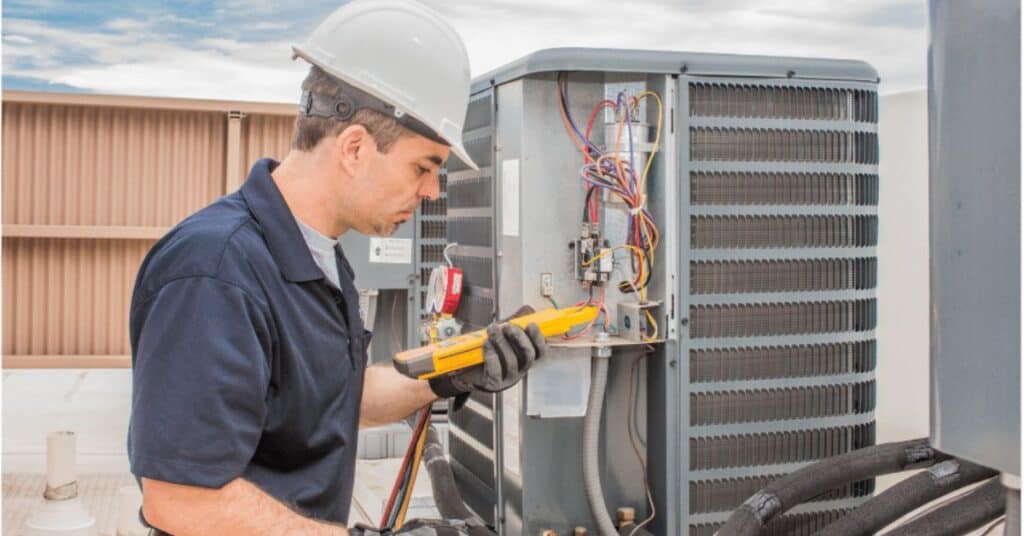
How A Trusted Local HVAC Partner Helps You
When your AC or heat quits in Raleigh, Cary, Clayton, Willow Spring, or nearby, you do not just need any help.
You need fast, reliable, flat rate repair from people who understand the Triangle climate and the kinds of homes and buildings here.
With a trusted HVAC partner working on your system, you receive:
- Clear explanations in plain language so you know what is actually happening
- Repair options that respect your budget, not surprise add ons you did not ask for
- Service for single family homes, small businesses, and commercial properties across the region
- A team that treats your comfort and uptime as a priority, not an afterthought
For property managers and business owners, that consistency matters even more. A dependable HVAC partner helps keep systems running and supports maintenance planning so you are not always in crisis mode.
Your Next Step: Get Local HVAC Help When You Need It
You do not have to handle HVAC problems alone. You can use this HVAC troubleshooting guide to manage the basics, then rely on experienced local technicians when the issue goes beyond a filter, thermostat, or quick reset.
If your AC or heat is struggling, or you see any of the red flags in this guide, reach out for prompt, professional repair service across the Triangle.
Call or text Advantage Air Services today at (919) 639 2661 for residential or commercial HVAC, AC, and heat repair when it matters most.