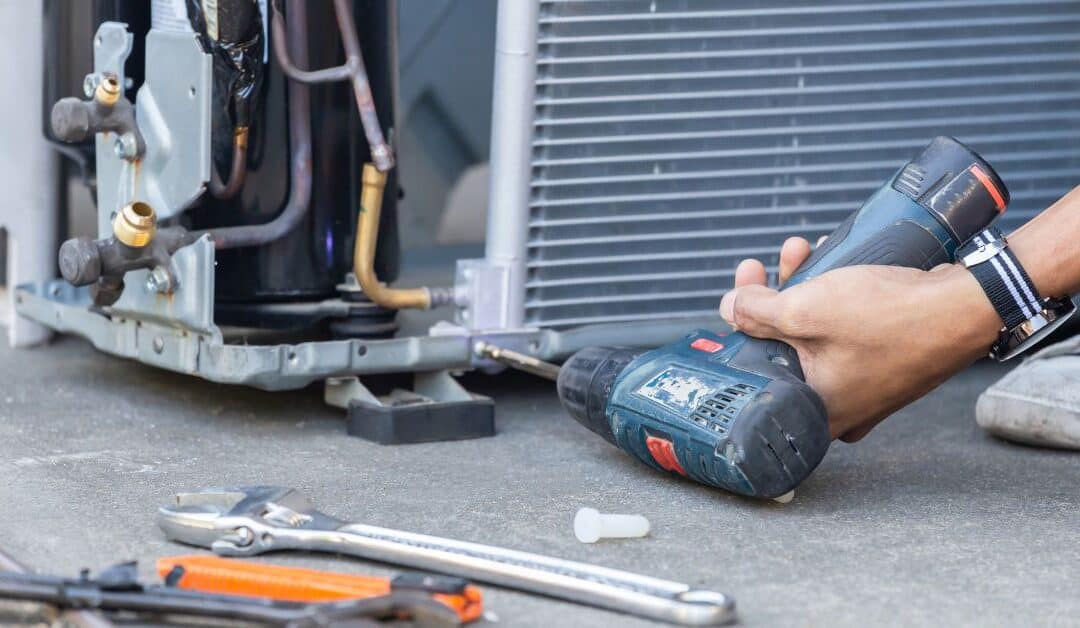
The most common signs you need HVAC repair include weak airflow, unusual noises, uneven temperatures, rising energy bills, frequent cycling, and warm air from your air conditioner. Recognizing these warning signs early can help prevent costly breakdowns, improve energy efficiency, and extend the life of your heating and cooling system.
If your system is showing any of these symptoms, scheduling professional AC repair service early can help prevent more extensive damage. This guide explains the top HVAC repair signs homeowners and business owners in Willow Spring, Cary, and nearby Triangle communities should never ignore, along with when it’s time to call a professional.
Key Takeaways:
- Weak airflow often points to airflow or blower problems.
- Strange noises can signal worn or failing HVAC components.
- Rising energy bills may indicate your system is losing efficiency.
- Frequent cycling and uneven temperatures should not be ignored.
- Early HVAC repairs help prevent expensive breakdowns and extend system life.
Ten Clear Signs You Need HVAC Repair In Willow Spring And Cary
When you understand what your system tries to tell you, you can catch problems early and avoid surprise breakdowns.
These are some of the most common warning signs that show up in homes, rental properties, and businesses across Willow Spring, Cary, and the rest of the Triangle.
Warm Air When The AC Is On Or Cool Air When The Heat Is On
On a July afternoon in Cary, your AC should not blow room temperature or warm air. In the same way, a Willow Spring heat pump in January should not blow cool air when the heat setting is on.
When that happens, your system usually struggles with one of a few issues, including:
- Low refrigerant
- A failing compressor
- A problem with the heat pump reversing valve
- A clogged air filter or ductwork problem that restricts airflow
If the air never reaches the right temperature, you often notice:
- Rooms that stay muggy and sticky
- Thermostats that never reach the set point
- Higher energy bills, even with normal use
If your system suddenly switches from cold to warm air or from warm to cool air, treat that as an urgent sign.
The longer the system runs like that, the more strain you put on major components.
Weak Airflow From Vents In Certain Rooms
Weak airflow is one of the most common complaints in older homes and small offices around the Triangle. One bedroom feels like a sauna in summer, while the next room feels fine, and that pattern repeats all season.
This usually points to issues such as:
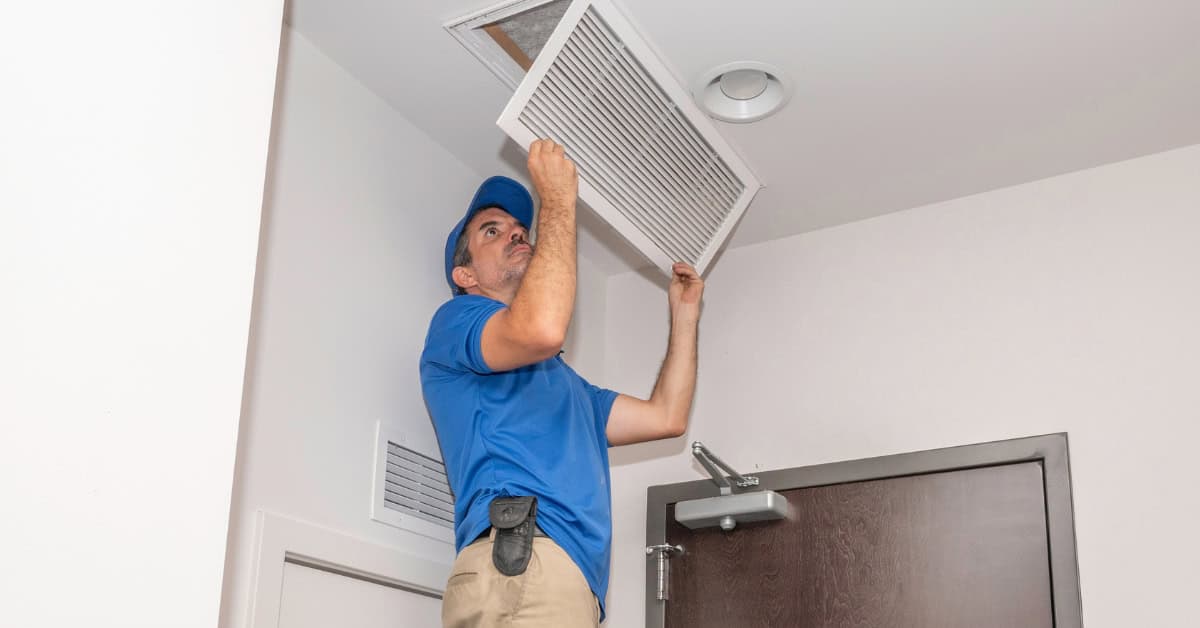
- A dirty or clogged air filter
- Kinked, crushed, or disconnected ductwork
- A failing blower motor or fan
- Closed or blocked vents behind furniture or decor
- Duct leaks that let conditioned air escape into attics or crawlspaces
If you manage a rental property or a small commercial space, watch for repeated complaints about the same unit or room.
That pattern often tells you the problem sits in the ductwork or blower, not just in the thermostat setting.
Unusual Noises From The System
Your HVAC system should mostly blend into the background. You might hear a gentle whoosh of air or a soft hum from the outdoor unit, but that is usually it.
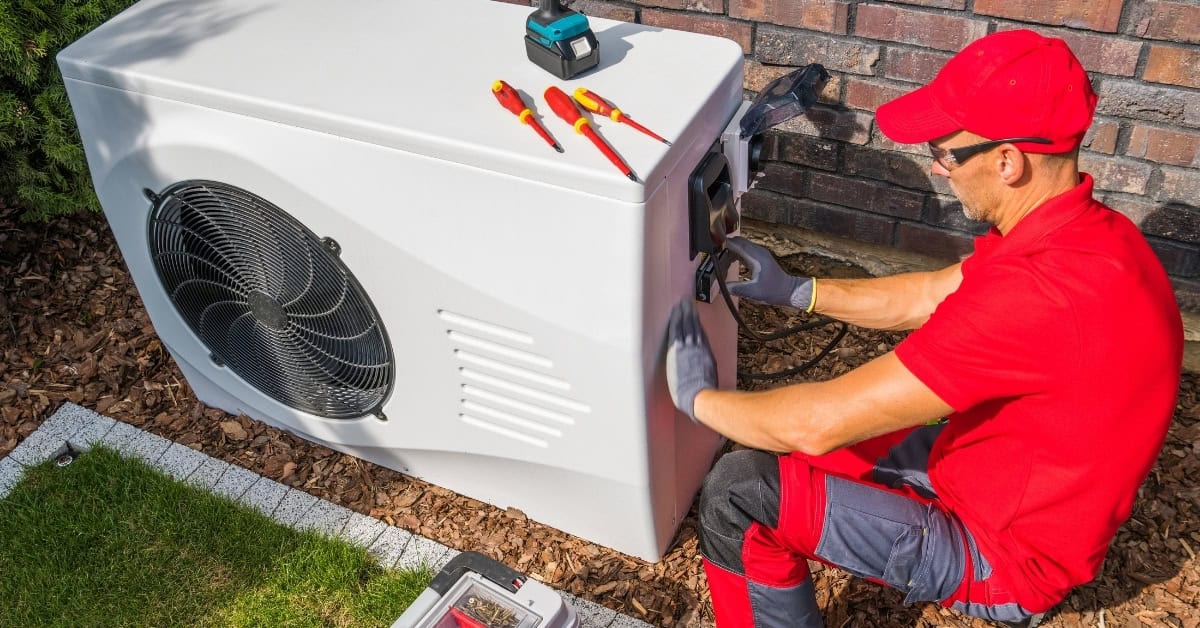
If you suddenly hear new or louder sounds, pay close attention. Common noises and their possible causes include:
- Banging or clanking, which can mean loose or broken parts in the blower or compressor
- Screeching or squealing, which often points to a worn belt or motor bearing
- Buzzing, which can come from electrical problems, loose parts, or debris in the outdoor unit
- Rattling, which may be as simple as a loose panel or as serious as parts shaking out of place
When a noise feels sharp, loud, or obviously wrong, it is smart to shut the system off and get it checked. This helps protect the equipment and can prevent a small repair from turning into a major one.
Odd Or Unpleasant Smells From The HVAC System
Any new smell that comes from your vents should make you pause. You know what your home, office, or building normally smells like, so changes are easy to spot.
Common HVAC-related odors include:
- Musty or mildew smells that can signal moisture issues or microbial growth on coils or in ducts
- A burning or electrical smell can point to overheating parts or wiring problems
- A sharp chemical-like odor that may relate to refrigerant issues
These smells matter for more than just comfort.
Families with kids or older adults, businesses that serve customers, and multi-unit properties all need clean, healthy indoor air, so a persistent or strong odor tied to your system deserves prompt attention.
Short Cycling Or System Running Constantly
Short cycling happens when your HVAC system turns on, runs for a short time, then shuts off, only to start back up again within a few minutes.
\In Willow Spring and Cary, you often notice this pattern on hot days when the system should run steadily to keep up with the heat.
The opposite problem is a system that seems to run nonstop and still struggles to keep up. Both patterns can point to issues such as:
- A thermostat problem or poor thermostat placement
- Dirty coils that prevent efficient heat transfer
- Low refrigerant levels
- Restricted airflow from dirty filters or blocked vents
- A system that is not sized correctly for the space
Short cycling and constant running both waste energy and shorten system life.
If you hear your unit starting and stopping all the time, or if it never seems to shut off, your system likely needs a professional checkup.
Sudden Spike In Energy Bills Without A Lifestyle Change
You expect your power bill to rise when the temperature in Cary or Clayton jumps or drops. What you do not expect is a big bill increase when your usage looks about the same as last year.
If your daily routine, thermostat settings, and building use stay similar, but the bill climbs, your system might run longer to do the same job.
That can come from issues such as:
- Worn parts that reduce efficiency
- Dirty coils or filters that make the system work harder
- Low refrigerant levels
- Duct leaks that send cooled or heated air into unused spaces
A rising bill is often one of the first clues that your system has a hidden problem.
Catching it early can save you money over the full season and reduce the chance of a mid-summer or mid-winter breakdown.
Humidity Problems Inside The Home Or Building
If you live in the Triangle, you feel the humidity almost every summer day. Inside your home or business, however, the air should feel comfortable instead of sticky or damp.
When your AC runs but the space still feels clammy, you might notice:
- Condensation on windows
- Musty odors in closets or along exterior walls
- Rooms that never feel cool, even at a reasonable thermostat setting
Your AC should remove moisture as it cools the air. If it does not, that can signal:
- An oversized system that cools too quickly to dehumidify properly
- Dirty evaporator coils
- Low refrigerant
- Poor airflow or duct design
For people with allergies, asthma, or respiratory concerns, indoor humidity is more than a comfort issue.
For small businesses like salons, boutiques, and restaurants, extra moisture can make customers uncomfortable and can damage products, finishes, or inventory over time.
If anything in your home or building sounds familiar, you do not have to wait for a full breakdown on the hottest or coldest day of the year.
The sooner you respond to odd noises, weak airflow, or rising bills, the easier it usually is to get your system back on track.
The team is local to the Triangle and focuses on helping you keep your Willow Spring, Cary, and surrounding area spaces comfortable, efficient, and ready for whatever the North Carolina weather brings.
When you are ready to take the next step, call Advantage Air Services at (919) 639 2661.
Frequent Thermostat Adjustments To Stay Comfortable
If you find yourself constantly bumping the thermostat up or down, your system might not deliver what the thermostat promises.
You may set the temperature for a specific number, but the space never feels like it matches that setting.
This kind of thermostat chase can come from issues such as:
- A thermostat that needs calibration or replacement
- Poor thermostat placement in a drafty or sunny spot
- Zoning issues that leave some areas over-conditioned and others under-conditioned
- An HVAC system that simply cannot keep up with the demand
When you adjust the thermostat all day just to stay comfortable, your energy use rises, and your frustration builds.
A stable, accurate thermostat paired with a healthy system should keep your space comfortable without constant tweaks.
Ice On The Outdoor Unit Or Indoor Evaporator Coil
On a cold winter morning in Willow Spring, you might see a light frost on a heat pump during its normal defrost cycle, and that can be normal.
Thick ice buildup that stays in place, especially in milder weather, is not a good sign.
In the cooling season, you should never see ice on refrigerant lines, the indoor evaporator coil, or the outdoor unit. Ice can point to:
- Low refrigerant
- Restricted airflow from dirty filters, blocked vents, or closed dampers
- A failing blower motor or fan
- Dirty coils that cannot transfer heat correctly
If you see ice, turn the system off and let it thaw naturally.
Do not chip away at the ice, since that can damage the coil or lines, and plan on a professional visit to find and fix the underlying cause.
Age Of The System And Repeated Repairs
Every HVAC system has a life span, and the climate in the Triangle puts that to the test. Hot, humid summers and chilly, damp winters keep equipment busy almost all year, so age shows sooner than in milder regions.
If your system is ten to fifteen years old and you keep calling for repairs, that pattern tells a clear story.
You might notice:
- More frequent breakdowns, especially during peak heat or cold
- Uneven comfort, with rooms that used to feel fine now feeling off
- Rising energy bills, even after basic maintenance
For homeowners, that often becomes a budget question about repair compared to replacement.
For property managers, small business owners, and builders, it affects long-term operating costs and tenant or customer comfort, so planning ahead is crucial.
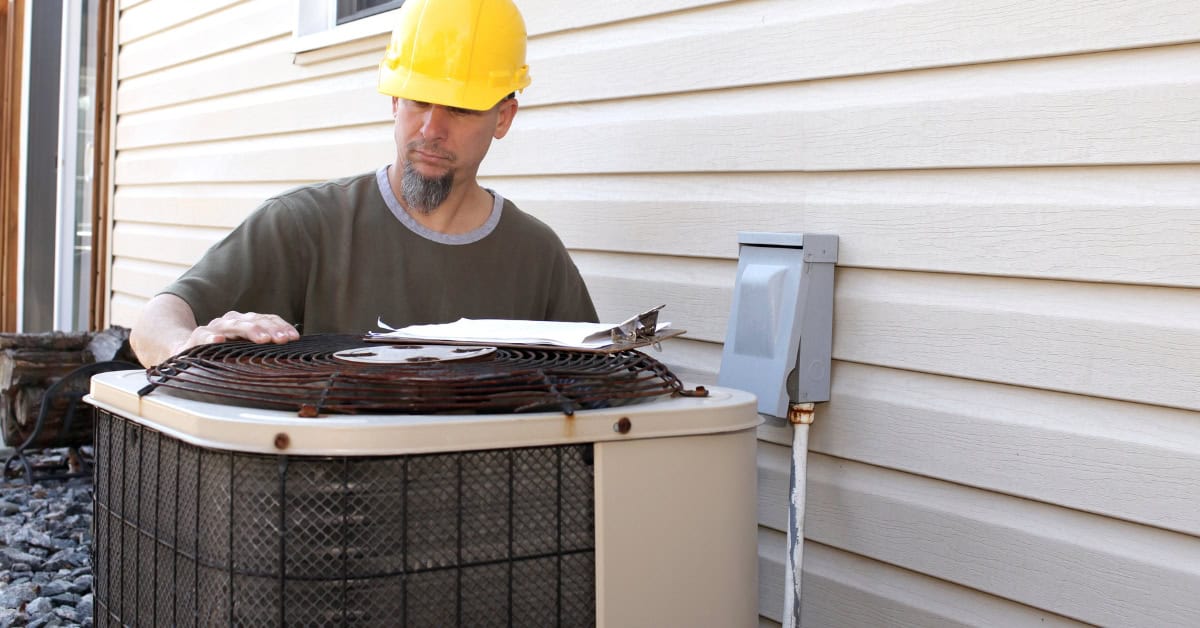
How Local HVAC Support Helps Willow Spring And Cary Stay Comfortable
When you recognize the early signs you need HVAC repair, you protect your comfort, your budget, and your peace of mind.
In a climate like the Triangle, that knowledge matters in both the summer heat and the winter chill.
Supporting Homeowners With Fast, Reliable Help
If you are a homeowner in Willow Spring, Cary, or a nearby town, you deserve a home that feels comfortable in every room.
Understanding what your system is telling you helps you act before a breakdown interrupts family time, work from home, or sleep.
Whether you deal with weak airflow, strange noises, or uneven temperatures, a timely repair often saves you from bigger problems later.
With clear explanations and straightforward options, it becomes easier to decide what makes sense for your home and your budget.
Partners For Property Managers And Small Businesses
If you manage apartments, offices, or retail space, HVAC problems quickly affect tenants, staff, and customers.
A hot hallway, a cold conference room, or a noisy unit above a storefront can lead to complaints and lost business.
Regular maintenance and prompt repairs help reduce surprise calls, protect your buildings, and avoid downtime.
In busy areas like Cary, Garner, Clayton, and Raleigh, steady comfort keeps leases strong and doors open.
Guidance For Upgrades And Energy Efficient Systems
If your system is older and needs frequent repairs, it may be time to plan an upgrade rather than waiting for the next emergency.
Energy-efficient options can lower monthly bills and improve comfort in every room.
Newer equipment designs often handle humidity better and maintain more even temperatures across the whole space.
That helps you make confident choices for long-term value, whether you own a home, a small shop, or multiple properties throughout the Triangle.
Ready To Act On The Signs You See
If anything in your home or building sounds familiar, you do not have to wait for a full breakdown on the hottest or coldest day of the year.
The sooner you respond to odd noises, weak airflow, or rising bills, the easier it usually is to get your system back on track.
The team is local to the Triangle and focuses on helping you keep your Willow Spring, Cary, and surrounding area spaces comfortable, efficient, and ready for whatever the North Carolina weather brings.
When you are ready to take the next step, call Advantage Air Services at (919) 639 2661.
Frequently Asked Questions
How Do I Know If My HVAC System Needs Immediate Repair?
If your HVAC system stops heating or cooling, makes loud noises, emits burning odors, or repeatedly trips the breaker, schedule professional repair as soon as possible. Delaying service can lead to more extensive damage and higher repair costs.
Can I Keep Running My HVAC System If It Is Not Working Properly?
It depends on the problem, but continuing to run a malfunctioning HVAC system can increase wear on important components. If you notice unusual sounds, poor airflow, or warm air from the vents, it’s best to have the system inspected.
How Often Should an HVAC System Be Inspected?
Most HVAC systems should be professionally inspected and maintained at least once a year. Scheduling maintenance before the heating or cooling season helps improve efficiency and reduces the risk of unexpected breakdowns.
Should I Repair or Replace My HVAC System?
If your HVAC system is more than 10 to 15 years old, requires frequent repairs, or has become inefficient, replacing it may provide better long-term value. A professional inspection can help determine the most cost-effective option.
What Happens If I Ignore HVAC Warning Signs?
Ignoring early HVAC warning signs can lead to larger repairs, reduced energy efficiency, higher utility bills, and unexpected system failure. Addressing small problems early is often less expensive than waiting until the system breaks down completely.