
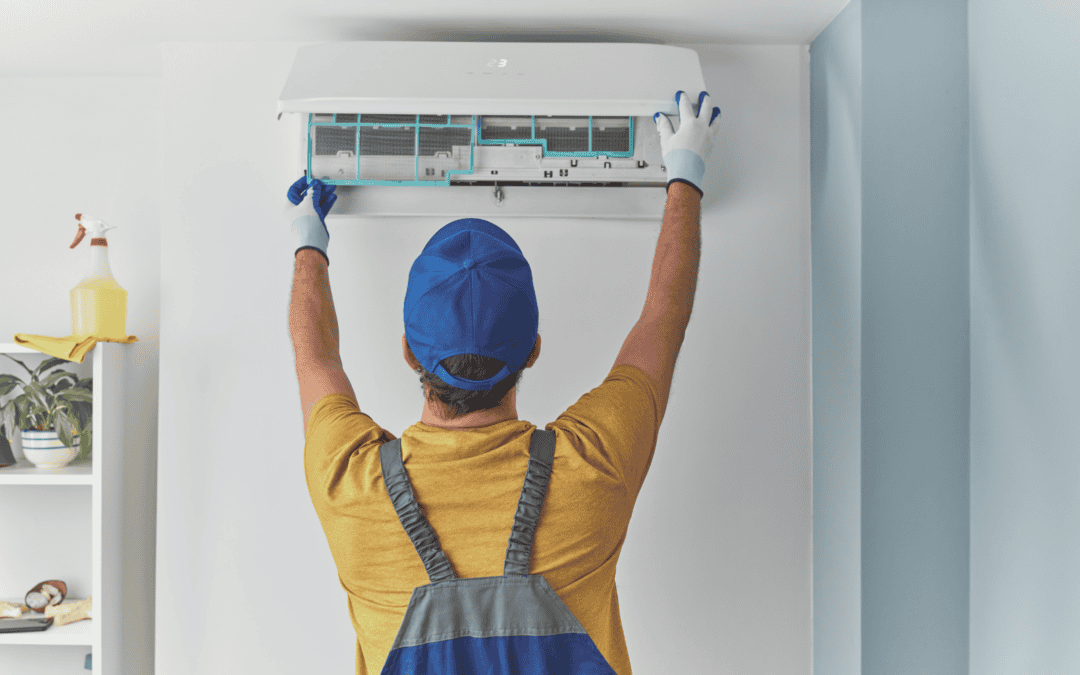
Why is my AC leaking water? In most cases, your air conditioner leaks water because a clogged condensate drain line, a dirty filter, a frozen coil, a cracked drain pan, or a failed condensate pump is stopping normal moisture from draining the way it should. A little condensation is normal, but a puddle by the indoor unit or a steady drip means water is going somewhere it should not, and that needs attention fast.
Your cooling system pulls humidity out of the air every time it runs. That moisture is supposed to collect in a pan and flow out through a drain line. When that path gets blocked or damaged, the water backs up and finds its way onto your floor, your ceiling, or your equipment.
Here is what you can do today if you spot water around your AC.
- Turn the system off at the thermostat so it stops making more water and cannot cause more damage.
- Mop up standing water and check for a clogged or overflowing drain pan under the indoor unit.
- Look at your air filter. If it is gray and packed with dust, replace it right away.
- Find the condensate drain line outside and see if water is flowing or if it looks blocked.
- If the coil is covered in ice, shut the system down and let it thaw before running it again.
Below, we walk through every common reason your AC leaks water, what each one looks like, and how to fix it or know when to call us for help across Willow Spring, Cary, Raleigh, and the surrounding Triangle area.
What Does It Mean When Your AC Leaks Water?
Water and air conditioning go together more than most homeowners realize. Understanding where the moisture comes from makes it much easier to spot when something is wrong.
The Normal Job of Condensation
Warm indoor air carries a lot of humidity. When that air passes over the cold evaporator coil inside your system, the moisture condenses into water, just like drops forming on a cold glass of tea in July.
That water drips into a drain pan and flows out through a condensate drain line, usually to the outside of your home or to a floor drain. On a hot, humid North Carolina day, a healthy system can pull several gallons of water out of your home. When everything works, you never see a drop of it inside.
When Water Becomes a Problem
Trouble starts when that water cannot get where it needs to go. A blocked line, a rusted pan, or a frozen coil sends the water over the edge and into your home instead.
Signs you have moved from normal condensation into a real leak include water pooling around the indoor unit, stains on a ceiling below an attic system, a musty smell near the vents, or a system that shuts itself off. None of these should be ignored because standing water invites mold and can damage your floors and drywall.
Why Is My AC Leaking Water? The Most Common Causes
When your AC leaks water, it almost always traces back to one of a handful of causes. Here are the ones we see most often in Triangle area homes.
A Clogged Condensate Drain Line
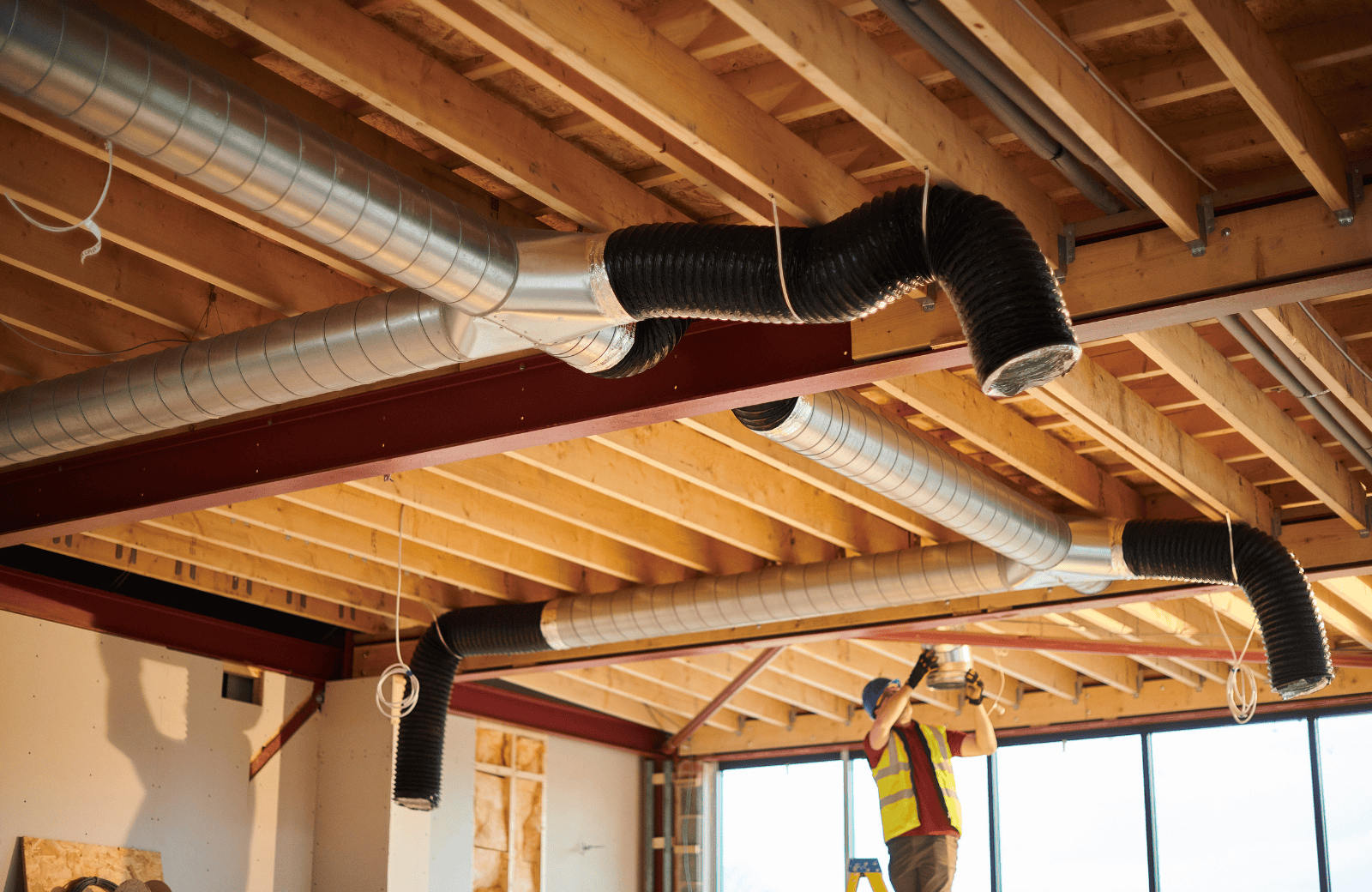
This is the number one reason an air conditioner leaks water. Over time, algae, dust, and slime build up inside the drain line and create a clog.
Once the line is blocked, water has nowhere to go and backs up into the pan and onto your floor. Many modern systems have a safety switch that shuts the unit off when this happens, which is a clue in itself.
A Dirty Air Filter and a Frozen Coil
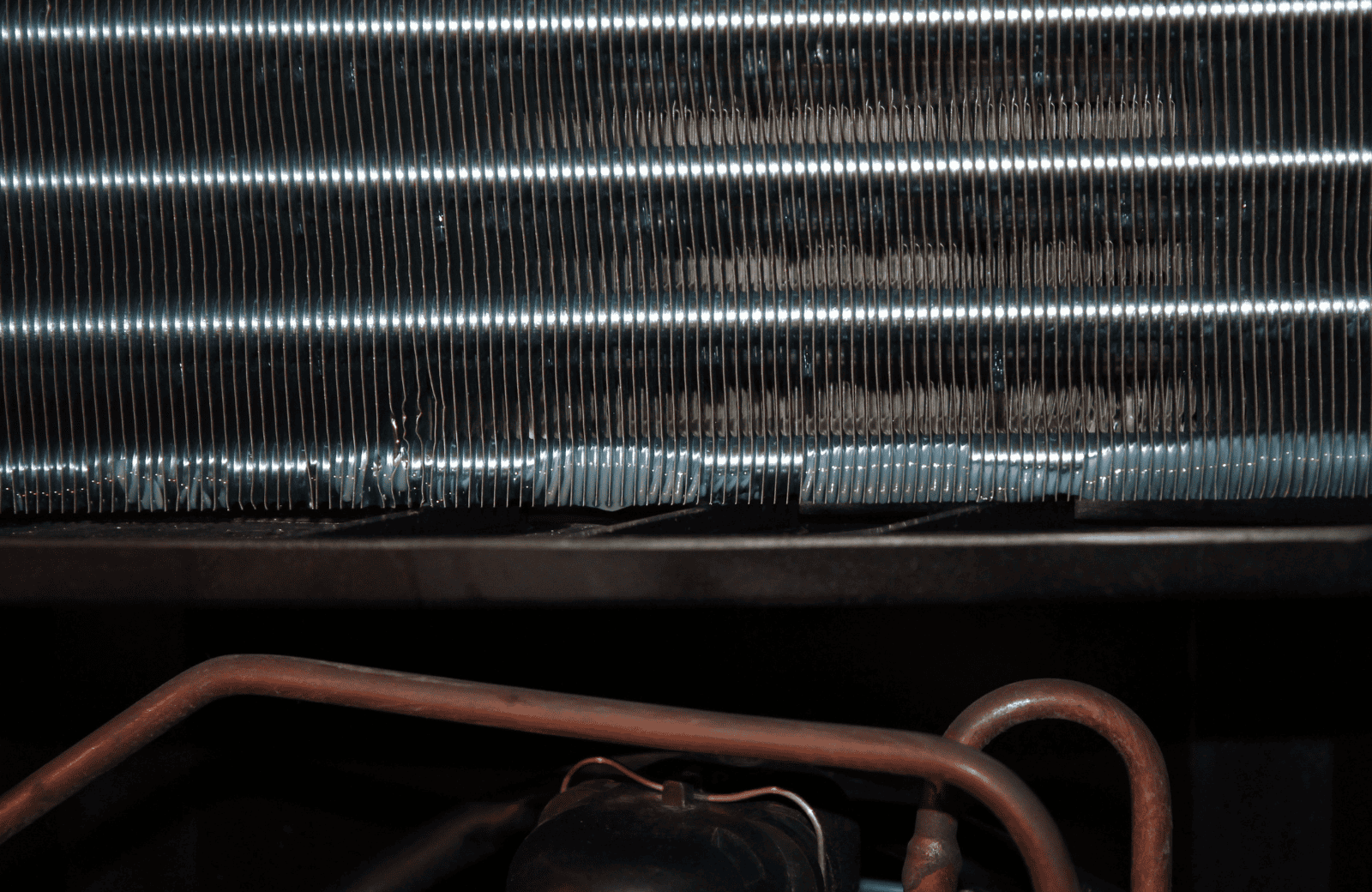
A filter packed with dust chokes the airflow across your evaporator coil. Without enough warm air moving over it, the coil gets too cold and freezes into a block of ice.
When that ice melts, it can pour out faster than the pan can handle, which looks exactly like a leak. According to the U.S. Department of Energy, dirty, clogged filters reduce airflow and can let dirt build up on the evaporator coil, which lowers its ability to absorb heat and keep the system running the way it should.
A Damaged or Rusted Drain Pan
The drain pan sits under the coil and catches the condensation. On older systems, that pan can rust through or crack, especially if it has been holding water for years.
Once the pan has a hole, water drips straight through instead of draining out. A pan that is simply misaligned can also let water spill over one edge.
A Full or Broken Condensate Pump
Some homes, especially those with a basement or attic system, use a condensate pump to push water up and out. When that pump fails, the water it was moving has nowhere to go.
The result is a small flood right at the base of the unit. A pump that hums but does not move water, or one that is silent when it should run, points to a failed pump.
Low Refrigerant and a Freezing Coil
Low refrigerant drops the pressure in your system and makes the evaporator coil too cold, which leads to the same freezing problem a dirty filter causes. As the ice builds and melts, water overflows the pan.
Low refrigerant usually means there is a leak somewhere in the system, and that is not a do-it-yourself repair. It needs a licensed technician to find the leak, fix it, and recharge the system correctly.
Poor Installation or a Disconnected Drain Line
Sometimes the cause is as simple as a drain line that was never sloped correctly or has come loose from its fitting. Water needs gravity to flow, so a line that runs uphill or sits flat will pool instead of drain.
New systems that leak soon after installation often fall into this category. A quick inspection of the connections usually reveals the issue.
AC Water Leak Causes at a Glance
This quick reference table sums up the most common causes, the signs to look for, and whether it is a job you can handle or one for a professional.
| Cause | What You Notice | Likely Fix | Do It Yourself or Pro |
|---|---|---|---|
| Clogged drain line | Water near indoor unit, system shuts off | Clear the line with a wet-dry vacuum | Often do it yourself, pro if stubborn |
| Dirty filter, frozen coil | Ice on coil, weak airflow, puddle after thaw | Replace filter, let coil thaw | Do it yourself first, pro if it repeats |
| Rusted or cracked drain pan | Steady drip under the unit | Replace the pan | Pro |
| Failed condensate pump | Water at base, pump silent or humming | Repair or replace the pump | Pro |
| Low refrigerant | Warm air, ice on coil, higher bills | Find leak, repair, recharge | Pro |
| Poor installation or loose line | Leak on a newer system | Reslope or reconnect the line | Pro |
What Should You Do Right Now If Your AC Is Leaking Water?
If you find water around your system today, a few calm steps protect your home and your equipment while you sort out the cause.
Shut the System Down
Turn your AC off at the thermostat first. Running a leaking system only makes more water and can pull moisture into electrical parts, which is a safety risk.
Clean Up and Inspect
Soak up standing water so it does not sink into your floors or drywall. Then take a look under the indoor unit for an overflowing pan and check whether your filter is dirty.
- Replace a gray, clogged filter with a fresh one.
- Look for ice on the coil, which tells you the system froze.
- Check the outdoor end of the drain line for water flow or a visible clog.
Try a Simple Drain Line Clear
If you are comfortable doing so, you can attach a wet-dry vacuum to the end of the condensate drain line outside and pull the clog free. A cup of distilled vinegar poured into the drain access every couple of months helps keep it clear afterward.
If the water keeps coming, the coil stays frozen, or you see a cracked pan, it is time to stop and call for professional AC repair before the damage spreads.
How Do You Stop Your AC From Leaking Water Again?
The best fix for a water leak is preventing the next one. Most leaks trace back to skipped maintenance, so a simple routine keeps your system dry and efficient.
Change Your Filter on a Schedule
A clean filter is the single easiest way to protect your coil from freezing. The U.S. Department of Energy recommends cleaning or replacing your filter every month or two during the cooling season, and more often if you have pets or run the system constantly.
Set a reminder on your phone so it never slips your mind. This one habit prevents a huge share of the frozen coil leaks we see every summer.
Keep the Condensate Drain Clear
Flushing the drain line a few times during cooling season stops algae and slime before they turn into a clog. The Department of Energy notes that clogged drains reduce the unit’s ability to remove condensed water, which can force the equipment to shut off or let a blocked drain overflow and cause water damage.
A yearly professional tune-up includes a full drain flush, a coil check, and a pan inspection. That visit catches small problems long before they leave water on your floor.
Schedule Seasonal Maintenance
A spring tune-up gets your system ready before the first heat wave. During that visit, we check refrigerant levels, clear the drain, inspect the pan, and make sure airflow is strong.
Regular maintenance also protects your home from a bigger issue than a puddle, which is moisture and mold. Keeping your system healthy keeps indoor humidity in check.
How Do Water Leaks Affect Your Home and Air Quality?
A leaking air conditioner is not just an equipment problem. Left alone, that moisture can affect the health of your home.
The Link Between Moisture and Mold
Standing water and high humidity give mold everything it needs to grow. The U.S. Environmental Protection Agency advises keeping indoor humidity below 60 percent because higher moisture levels lead to condensation and mold growth on surfaces around your home.
A properly draining AC is one of your best tools for controlling that humidity. When it leaks, it works against you on two fronts, leaving water on the floor and letting moisture linger in the air.
Protecting Your Floors, Walls, and Equipment
Water that sits under an attic or closet unit can stain ceilings, warp flooring, and rot wood framing over time. Catching a leak early saves you from repairs that cost far more than the fix for the AC itself.
Fast action also protects the air conditioner. A system that keeps flooding its own electrical components can fail early, and that is a bill no one wants in the middle of July.
When Should You Call a Professional for an AC Leak?

Some leaks clear up with a fresh filter and a quick drain flush. Others are signs of a deeper problem that needs trained hands.
Signs It Is Time to Call Us
Reach out for professional help when you notice any of the following.
- The coil keeps freezing even after you change the filter.
- You see warm air from the vents, which can point to low refrigerant.
- The drain pan is cracked or rusted through.
- The condensate pump is not moving water.
- Water keeps returning no matter what you try.
Our team handles all makes and models, and our flat rate pricing means you know the cost before we start. When a leak has you stumped, our licensed technicians can find the real cause and get your home cool and dry again with fast, reliable AC repair.
Why Speed Matters
Water damage grows quietly. A drip you ignore for a week can turn into a stained ceiling or a moldy closet, so calling early is almost always the cheaper choice.
We serve Willow Spring, Cary, Garner, Apex, Holly Springs, Raleigh, Fuquay, Clayton, and the surrounding communities, with emergency service available when a leak cannot wait.
Frequently Asked Questions
Is it safe to run my AC if it is leaking water?
It is best to turn it off. Running a leaking system makes more water and can send moisture into electrical parts, which creates a safety hazard and risks more damage to your home and equipment.
Why is my AC leaking water only on hot days?
On the hottest, most humid days, your system pulls far more moisture out of the air. That heavier condensation load exposes a partly clogged drain or a marginal pan that might drain fine on a mild day but overflows when the water volume climbs.
Can a dirty air filter really cause a water leak?
Yes. A clogged filter starves the coil of airflow, the coil freezes, and the ice melts into more water than the pan can hold. Replacing the filter and letting the coil thaw usually solves it.
How much does it cost to fix an AC that is leaking water?
It depends on the cause. Clearing a drain line is a small job, while replacing a pan, repairing a pump, or fixing a refrigerant leak costs more. We use flat rate pricing so you see the full cost before any work begins.
How often should I flush my AC drain line?
Flushing the line every two to three months during cooling season keeps algae and slime from building into a clog. A yearly professional tune-up includes a deeper drain cleaning and a full system check.
Can I prevent AC water leaks completely?
You cannot stop condensation, because that is part of how cooling works, but you can prevent most leaks. Regular filter changes, drain flushes, and a seasonal tune-up keep the water flowing where it belongs.
Stay Cool and Dry With Local HVAC Help
A leaking air conditioner is stressful, but the cause is usually straightforward once you know where to look. From a clogged drain to a frozen coil, most water leaks are fixable and preventable with a little care.
We Handle the Problem for You
When a filter change and a drain flush do not solve it, you do not have to guess. Our NATE-certified technicians track down the real cause and fix it right, so your home stays cool and your floors stay dry.
With more than 30 years of local experience, flat rate pricing, and honest service, we treat your home the way we would treat our own. We service all makes and models across the Triangle.
Call Advantage Air Services Today
If your AC is leaking water, do not wait for a puddle to become a repair bill. Call or text us at (919) 639-2661 to schedule fast, reliable AC repair in Willow Spring, Cary, Raleigh, and beyond.
Ask about our current $25 off any service repair offer, which is not valid on diagnostic or trip fees, plus senior and military discounts for those who qualify. You can also reach out through our website to book a visit, and if you want steady peace of mind, ask us about a maintenance plan that keeps your cooling system running dry and efficient all season long.