
You open your latest utility bill and your first thought is, “Why is my heat bill so high?” It feels frustrating, especially when you have not changed much about how you live or work, and you just want clear answers that make sense.
As a local HVAC repair team that works on homes, small businesses, and commercial spaces across the Triangle, we see the same bill problems over and over, and most of them come from specific issues with how your heating system runs.
This guide walks you through what really drives those costs. Learn what you can safely check on your own and when it makes sense to bring in a professional set of eyes to keep your system heating efficiently without wasting money.
Why Your Heat Bill Is So High: The Most Common HVAC Causes
Thermostat Settings That Quietly Drive Up Your Bill
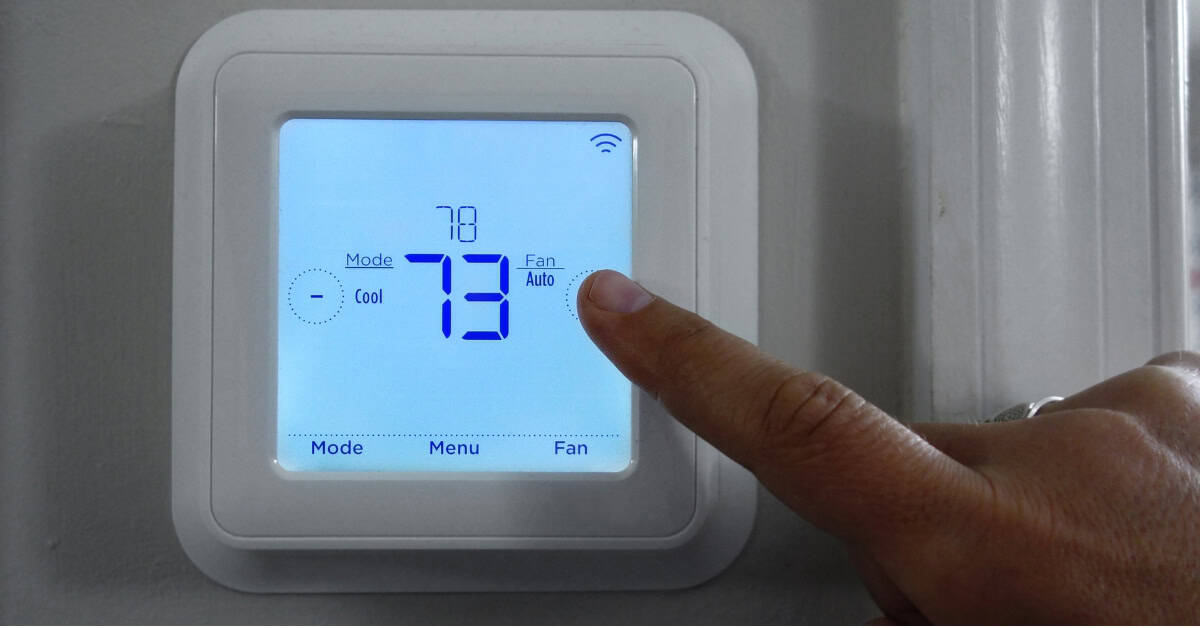
Your thermostat controls how hard your system works and how long it runs. Small setting mistakes can add up to a big bill.
If your heat bill jumps, start with the basics and check your:
• Temperature setting during the day
• Temperature setting at night
• Programmed schedules that no longer match your routine
A one or two degree bump might not feel like much, but over a full month it can cost you real money. Many homes and small offices in the Triangle run several degrees higher than needed, simply out of habit.
Thermostat placement matters too. If the thermostat sits near a drafty door, a sunny window, or a heat source like equipment or lamps, it can read the temperature wrong and run the system longer than needed.
In rental properties and commercial spaces, you often face a different problem. Tenants, employees, or customers may change settings without thinking about the bill.
It is common to see:
• Thermostats set to very high temperatures in winter
• Systems switched to “On” instead of “Auto”
• Frequent use of “Temporary Hold” or “Override” modes
If this sounds familiar, it helps to set clear guidelines and in some cases use thermostats with limited access features. That approach allows people to stay comfortable without running your heat nonstop.
If your heating bills keep climbing or your system feels like it runs nonstop, you do not have to figure it out alone. We are here to help you understand what is going on and fix the problems that actually matter.
Reach out to Advantage Air Services for honest, repair focused HVAC and heating service anywhere in the Triangle.
Call or text us today at (919) 639 2661 to schedule a visit and take the next step toward a more comfortable space and a more reasonable heat bill.
Dirty Filters And Blocked Airflow
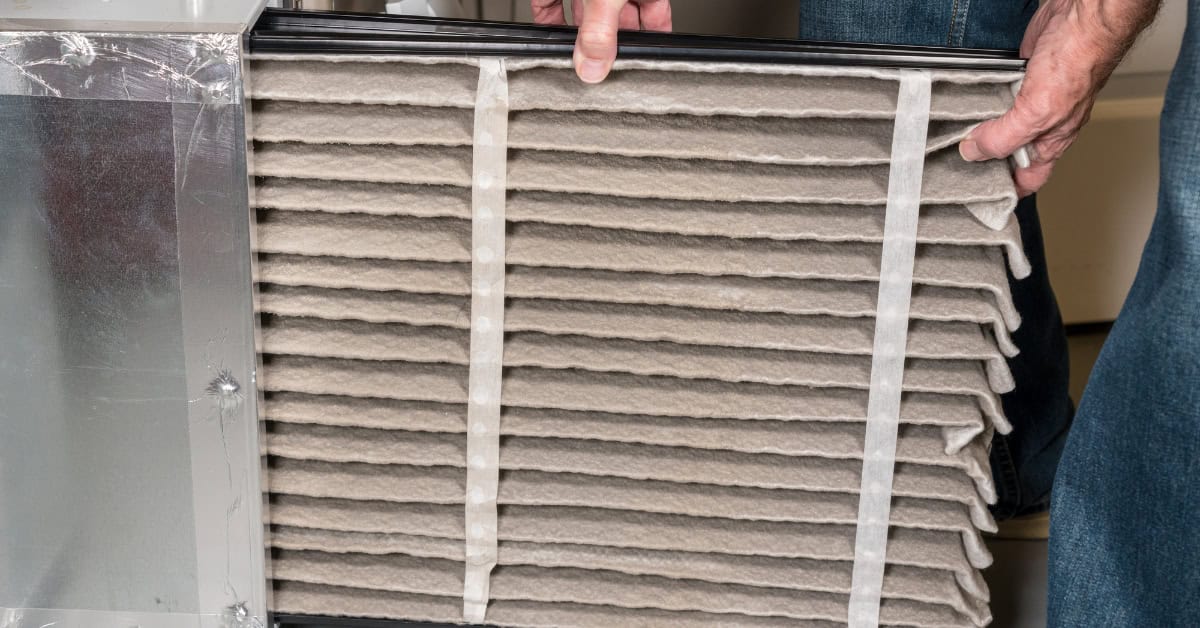
When air cannot move freely, your system has to work harder to push heat through the building. That extra effort shows up as higher energy use and higher bills.
In homes and businesses around Raleigh and Cary, we often find filters that look gray or dark instead of white, feel packed with dust or pet hair, or have not been changed in months.
A clogged filter can restrict airflow, strain the blower motor, and cause the system to run longer to reach the same temperature.
- For a typical home, it usually helps to check filters every 30 to 60 days. If you have pets, a lot of foot traffic, or anyone with allergies, you may need to change them more often.
- In offices, shops, or rental properties, filters often get forgotten completely. When that happens, equipment runs hot and inefficient, and your energy budget takes the hit.
Vents matter just as much as the filter. Closed or blocked vents do not save money and instead create pressure issues that force your system to work harder than it should.
Walk through your space and look for:
• Supply vents blocked by sofas, beds, desks, or filing cabinets
• Return grills covered by rugs, storage boxes, or furniture
• Registers that are shut in rooms you still use
Open, clear vents help your system heat more evenly and efficiently. This simple check can make a noticeable difference in both comfort and cost.
Duct Leaks And Poor Insulation
Your heating system works hard to warm the air. If that air leaks into the attic, crawlspace, or walls, you pay for heat you never feel.
In many Triangle homes and small commercial buildings, we see duct joints that have pulled apart over time, old duct tape that has dried out, or flex duct that sags or has tears.
Leaky ducts can dump warm air into unconditioned spaces and pull dusty or cold air back into the system.
You might notice:
• One bedroom or office that never feels warm
• A back room that stays chilly while the front feels fine
• Higher dust levels than normal
Those issues often point to duct problems, not thermostat problems. When ducts leak, your system has to run longer to deliver the same comfort, and your bill rises as a result.
Insulation also plays a big role in your bill. If your attic, crawlspace, or older exterior walls lack insulation, your building loses heat quickly.
Drafts around windows, exterior doors, or attic hatches can make rooms feel colder and push you to raise the thermostat.
Sometimes simple air sealing and weatherstripping help your HVAC system do its job without constant overwork.
Aging Or Poorly Maintained Heating Equipment
Even the best heating system needs regular care. When maintenance gets skipped, your energy use climbs before you notice any obvious comfort changes.
Over time, parts collect dust, connections loosen, and components wear down. You might see slightly longer run times to reach the same temperature, slightly higher bills each season, or more frequent minor issues and noises.
- On gas furnaces and electric air handlers, dirty burners, coils, or blower assemblies reduce efficiency.
- On heat pumps, low refrigerant, dirty outdoor coils, or weak capacitors can lead to long run times and poor performance.
For property managers and small business owners, this often shows up as repeated comfort complaints from tenants or staff.
The building never feels quite right, even though the system still turns on and seems to run.
Regular inspections and tune ups help:
• Catch worn parts before they fail
• Keep airflow and combustion at proper levels
• Reduce the strain that leads to higher energy use
With routine care, your system can run much closer to its intended efficiency. That usually means steadier comfort and more predictable bills.
Electric Heat Strips And Emergency Heat Overuse
If you have a heat pump, you also have backup electric heat strips. Those strips help in very cold weather or when the heat pump needs support, but they use far more power than normal heat pump operation.
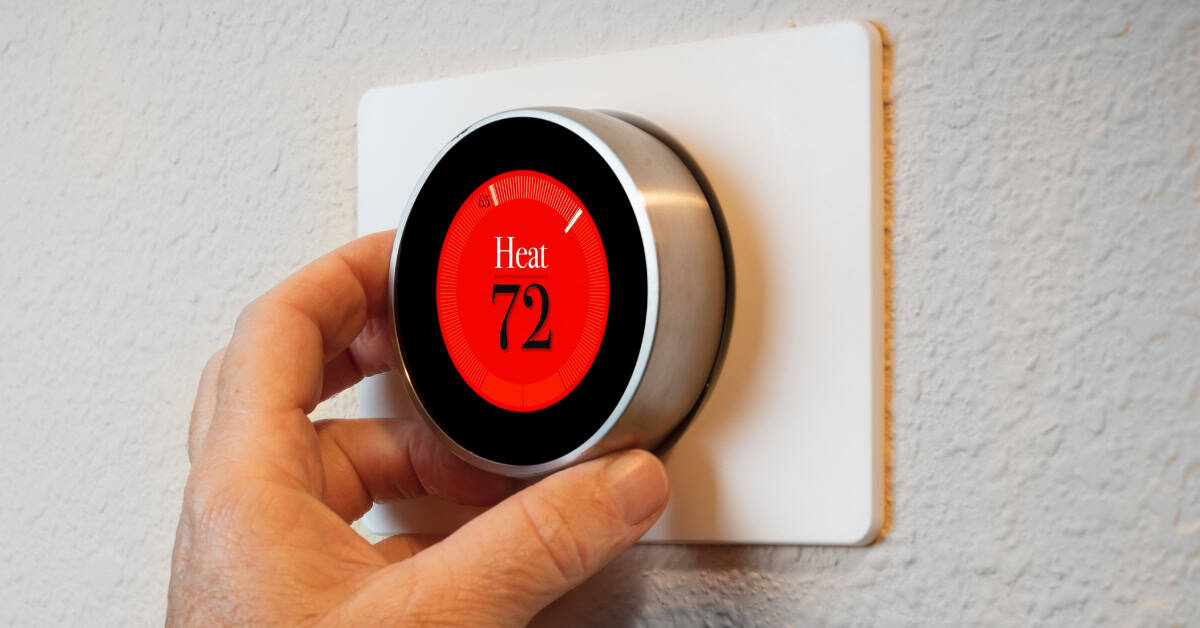
You may see a small “Aux” or “Emergency Heat” light on your thermostat. If that light comes on often or seems to stay on all the time, your system probably relies more on strips than it should.
Common reasons include:
• Thermostat set much higher than outdoor temperature
• Heat pump issues that reduce how much heat it can move
• Thermostat wiring or setting problems that trigger strips too quickly
When strips run too much, your heat bill can spike very fast. You still feel warm air, so it is easy to miss the problem until the utility bill arrives and shows a major jump in usage.
Weather, Usage Changes, And Utility Rates
Sometimes your system works fine, but outside conditions and daily habits shift in ways that affect your bill. A short but sharp cold snap in Raleigh, Cary, or Clayton can push your system to run many more hours than a mild winter week.
Even if the thermostat setting stays the same, that longer runtime increases energy use. It often helps to compare the days of very low temperatures with your billing period to see how weather played a role.
Your own routine can change too. You might have more people working from home, kids out of school more often, or longer operating hours at your business.
All of that adds up to more heat demand and more cycles each day. A building that used to sit empty for long stretches now stays occupied, which means the system has to maintain comfort for more hours.
Utility rate changes can also play a part. Even if your usage stays steady, a higher rate per unit of energy means a higher bill.
It helps to compare actual usage from one bill to the next, not just the dollar amount. That approach separates changes in how much energy you use from changes in the price of that energy.
Simple Checks You Can Do Before Calling For Repair
You do not need tools or training to spot many of the common triggers behind a high heat bill. A quick walkthrough often reveals easy fixes that improve airflow and control.
Start with these steps:
• Confirm the thermostat mode is set correctly and not on Emergency Heat
• Review thermostat schedules to match your current routine
• Lower the set point slightly and see if comfort stays acceptable
• Check and replace dirty air filters
• Make sure supply and return vents are open and not blocked
• Listen for new or unusual noises from the indoor or outdoor unit
If those basic checks look good and your bill still feels out of line, the cause may sit deeper in the system or ductwork. At that point, a careful inspection from a trained technician helps find the real source of the problem instead of guessing and hoping the next bill comes in lower.
How Advantage Air Services Helps You Tame High Heating Bills
Support For Homeowners Who Are Tired Of Surprises On The Bill
When your winter bill jumps and comfort still feels off, you want clear answers, not guesswork. We troubleshoot why your system runs the way it does, then focus on repairing what is wrong so your existing equipment works as efficiently as it can.
From heat pumps in Cary neighborhoods to gas furnaces in Willow Spring, we track down issues like thermostat problems, airflow restrictions, or failing components.
Homeowners benefit from straightforward explanations, flat rate pricing, and repairs that target the real cause of those high heating costs.

Reliable Partners For Property Managers And Commercial Spaces
If you manage rentals, offices, or small commercial buildings around Raleigh, Clayton, or Garner, high heat bills can turn into constant complaints.
We help you put a simple, repeatable maintenance plan in place so systems stay efficient and your utility costs stay predictable.
We handle heating and HVAC repair across single properties and portfolios, always with clear communication and documented findings.
Property managers and business owners stay in control of budgets while tenants and staff stay comfortable.
Local Experience You Can Trust Across The Triangle
We live and work right here in the Triangle, serving communities like Raleigh, Cary, Clayton, Willow Spring, and the surrounding towns for more than 30 years.
Our local experience means we understand how the regional climate, local housing, and commercial building styles affect your heating costs.
Our team shows up on time, respects your home or business, and explains what we find in plain language.
The goal is simple and consistent, to keep your current system running safely, reliably, and as efficiently as possible.
Ready To Stop Wondering “Why Is My Heat Bill So High?”
If your heating bills keep climbing or your system feels like it runs nonstop, you do not have to figure it out alone. We are here to help you understand what is going on and fix the problems that actually matter.
Reach out to Advantage Air Services for honest, repair focused HVAC and heating service anywhere in the Triangle.
Call or text us today at (919) 639 2661 to schedule a visit and take the next step toward a more comfortable space and a more reasonable heat bill.